
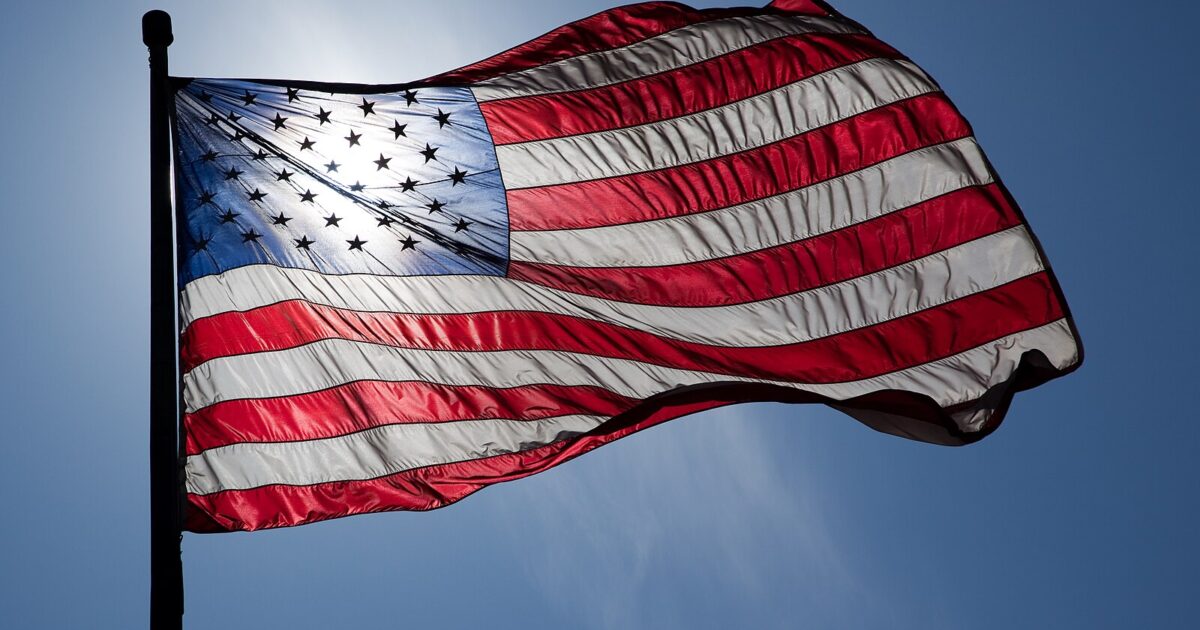
A Sudden Loss and a Presidential Order
News of Sen. Lindsey Graham’s death on Sunday, July 12, 2026, followed what was described as a brief and sudden illness. Graham had spent 34 years in public office and had represented South Carolina in the U.S. Senate since 2003. His passing came shortly after a visit to Ukraine for a meeting with President Volodymyr Zelenskyy, which led some online commentators to speculate about the timing. No evidence was provided in the account to support claims of foreign involvement. At about 12:53 p.m., President Trump announced on Truth Social that he was ordering flags across the nation to be flown at half-staff in Graham’s honor. Flags in Washington, including at the White House, were reportedly lowered after the announcement.
The Longworth Flag Was Still Up
According to the account, Alysia McMillan was walking near Capitol Hill around 5 p.m. when she noticed that the flag atop the Longworth House Office Building had not been lowered. She considered it concerning and spoke with a Capitol Police officer nearby. The officer reportedly told her he would notify someone. McMillan stayed in the area for another 10 to 15 minutes but did not see the flag come down during that time. When she returned around 6 p.m., the flag had been lowered. The delay, if the timing is accurate, lasted several hours after the president’s public order and after other flags in the area had already been placed at half-staff.
The Explanation Leaves Procedural Questions
McMillan later asked the same officer whether he knew why the flag had not been lowered earlier. The officer reportedly said he personally knew the person responsible for lowering it and explained that she had tried but was unable to do so because she was short and because it was windy outside. If that account is accurate, the issue may not have been refusal but a failed attempt followed by poor communication. That still matters. A presidential flag order is not a minor office memo that can sit in a tray until someone finds a ladder and a calm breeze. The fair question is whether Capitol Police or building staff had a backup process, whether anyone checked compliance after the order, and why a visible problem apparently required a passerby to raise the alarm.
What the Public Can Fairly Ask
This report does not prove that anyone defied the president or intended disrespect toward Sen. Graham. It does, however, point to a gap in basic follow-through at one of the most visible government complexes in the country. In moments of national mourning, symbols matter because they are meant to be clear, prompt, and shared. If the delay was caused by weather, staffing, or equipment problems, officials can say so plainly. If the process failed, it should be reviewed. Accountability does not require assuming malice. It starts with asking who was responsible, what they attempted, who was notified, and why the flag remained up long enough for the public to notice.
WE’D LOVE TO HEAR YOUR THOUGHTS! PLEASE COMMENT BELOW.
Leave a Comment