
A Hearing About DEI Took a Sharp Turn
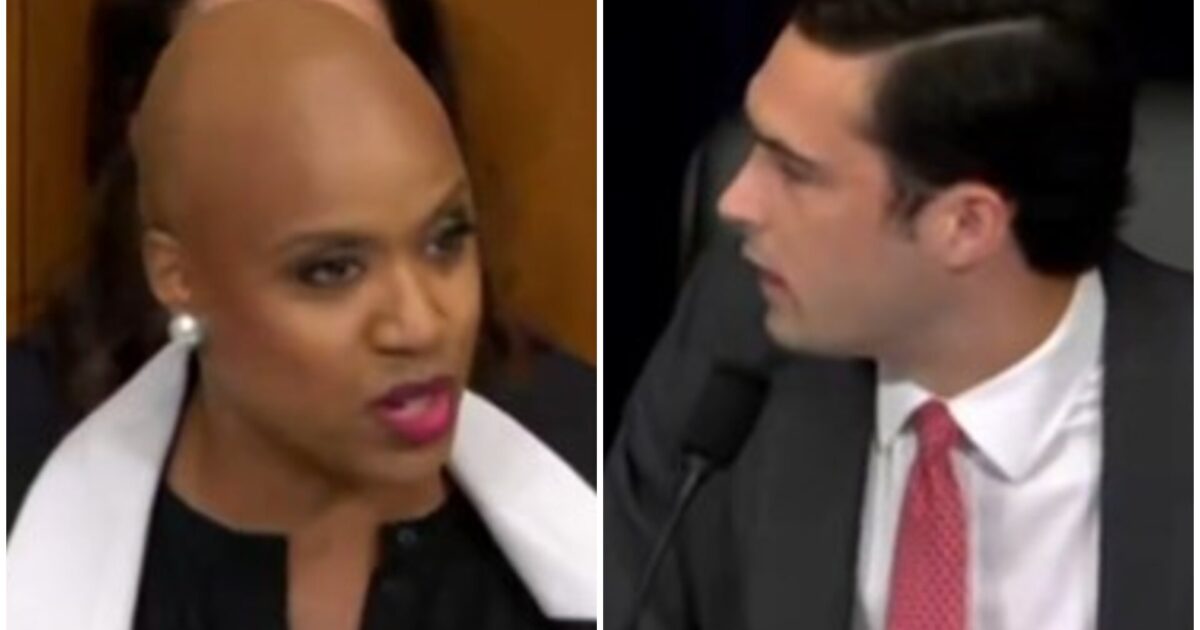
Rep. Brandon Gill of Texas chaired a House Oversight Committee hearing Tuesday on the use of DEI programs in American institutions. The hearing focused on colleges, corporations, and other organizations that still use diversity, equity, and inclusion rules, even as the Trump administration has moved to roll many of them back. Then Rep. Ayanna Pressley of Massachusetts used her time to attack the administration and the Republican agenda. She accused Republicans of being against a long list of groups, including black Americans, immigrants, LGBTQ Americans, workers, veterans, rural Americans, disabled Americans, and women. In Washington, this is known as coalition building. In normal life, it is known as reading the entire grievance menu without checking who ordered.
Pressley Pushed the Equal Rights Amendment
After her criticism of Republicans, Pressley said she was reintroducing legislation tied to the Equal Rights Amendment, or ERA. She argued the Constitution is “silent” on equal rights in this area and said her proposal would make the ERA the 28th Amendment. Pressley said every House Democrat had signed on and added that she was waiting for Republicans to join them. The ERA has long been sold by supporters as a simple guarantee of equality between men and women. Critics argue it could reach much further, affecting abortion law, sports, prisons, restrooms, the draft, medical coverage, and religious groups. As usual, the sales brochure is one page. The fine print needs its own forklift.
Gill Asked for a Definition
Gill responded that he would be willing to read Pressley’s amendment, but he had one question first. He asked whether it clearly defines what a woman is. Pressley paused, then gave a response that was not clear in the video. Gill smiled and said, “We’ll take a look at it,” adding that he had hoped for “some analytical clarity.” That was the whole point of the exchange. If an amendment is meant to secure rights for women, voters may reasonably ask whether the text explains who counts under that word. This should not be a trick question, yet modern politics has turned basic definitions into a hazardous materials site.
Why the Definition Fight Matters
The fight over the ERA is not just about slogans. Supporters say it would protect equality under the Constitution. Opponents warn that courts and agencies could use it to force major policy changes far beyond equal treatment in law. Those concerns include ending single-sex athletic teams in schools, challenging separate facilities in prisons and restrooms, requiring women to register for the draft, mandating public coverage for gender-transition procedures, and pressuring doctors or religious organizations under sex-discrimination claims. Whether every claim would succeed in court is a separate question, but the concern is real enough to deserve answers before lawmakers start engraving new amendments into the national stone tablets.
WE’D LOVE TO HEAR YOUR THOUGHTS! PLEASE COMMENT BELOW.
Leave a Comment