
The 2018 Emergency Order Is Still Alive
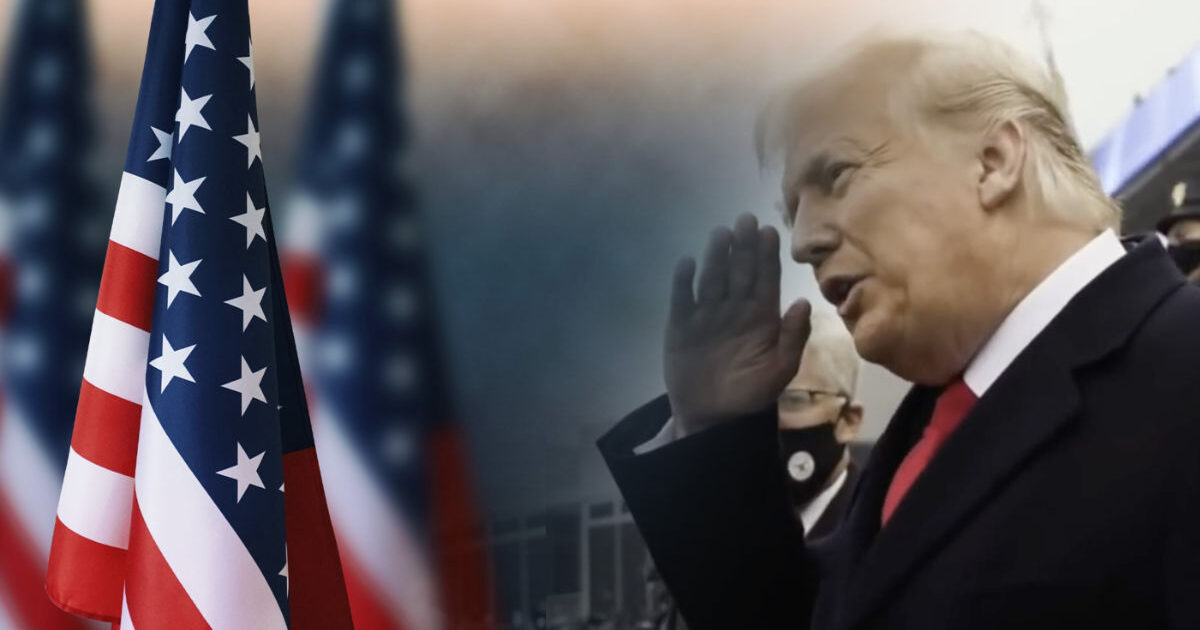
President Trump has signed an order extending a national emergency tied to foreign interference in U.S. elections, according to the source article by attorney Peter Ticktin and Jerome Corsi, Ph.D. The original order was signed on September 12, 2018, during Trump’s first term. It was issued under the International Emergency Economic Powers Act and described foreign election interference as an “unusual and extraordinary threat” to the national security and foreign policy of the United States. In plain English, Washington decided that hostile foreign meddling in elections was not just ugly politics. It was a national security problem. One can almost hear the federal filing cabinets sigh with purpose.
The New Order Extends It for One More Year
The article says Trump signed the new executive order on August 31, 2026. The order is titled “Continuation of the National Emergency with Respect to Foreign Interference in or Undermining Public Confidence in the United States Elections.” It states that foreign powers have long tried to exploit America’s open political system. It also warns that digital devices and internet communications have created serious vulnerabilities. The order cites risks such as unauthorized access to election and campaign infrastructure, along with the covert spread of propaganda and disinformation. Under the National Emergencies Act, Trump continued the 2018 emergency for one year beyond September 12, 2026.
Filed Quietly, but Not Quiet in Effect
According to the authors, the White House filed the extension in the Federal Register without a major press rollout. That is very Washington: a national emergency can move through the system with less noise than a zoning dispute over a backyard shed. The article argues that the order gives Trump presidential authority to address election integrity concerns before the 2026 midterms. The authors also predict political and media pushback, especially from Democrats and left-leaning outlets. Their central claim is that the emergency order gives the administration a stronger legal footing in fights over election systems, ballot handling, and foreign access to election-related infrastructure.
The Article Raises Broad Election Fraud Claims
The source article makes several serious allegations about election vulnerabilities. The authors claim that some state DMVs automatically permit non-citizens to vote, and they point to ballot harvesting, ballot stuffing, votes cast in the names of dead people, and electronic tabulators as areas of concern. They also allege that foreign adversaries can manipulate election results through tabulator systems. The article specifically mentions ES&S tabulators and claims there were phone chips on motherboards. It also claims Dominion election equipment could be accessed by employees and others through WINeds programs. These are the authors’ claims as presented in the article, and they frame them as reasons for the continued national emergency.
The Mail-In Ballot Fight Moves Through Court
The article also discusses a legal clash involving Obama-appointed U.S. District Judge Indira Talwani in Boston. It says the Supreme Court lifted one of her injunctions, but that three days later she issued a 14-day temporary restraining order. According to the article, that order again blocked Trump from enforcing Executive Order No. 14399, listed as 91 Fed. Reg. 17125 (2026). The disputed order would require the U.S. Postal Service to deliver mail-in ballots for the upcoming midterm elections only to lists of U.S. citizens provided by the Social Security Administration, working with the Department of Homeland Security’s SAVE program. The article says the Trump administration quickly appealed the temporary restraining order.
Election Security Meets the Usual Machinery
The dispute sits at the busy intersection of executive power, federal courts, election law, and bureaucratic process. That is not exactly a place known for speed, clarity, or common sense arriving early with coffee. The source article casts Trump’s extension of the 2018 emergency as a key step in preventing foreign interference and restoring confidence in elections. It also presents the court fight over mail-in ballot delivery as part of a larger struggle over who controls election safeguards before the 2026 midterms. Whether the administration’s position survives further court review remains part of the fight described in the article.
WE’D LOVE TO HEAR YOUR THOUGHTS! PLEASE COMMENT BELOW.


Leave a Comment