
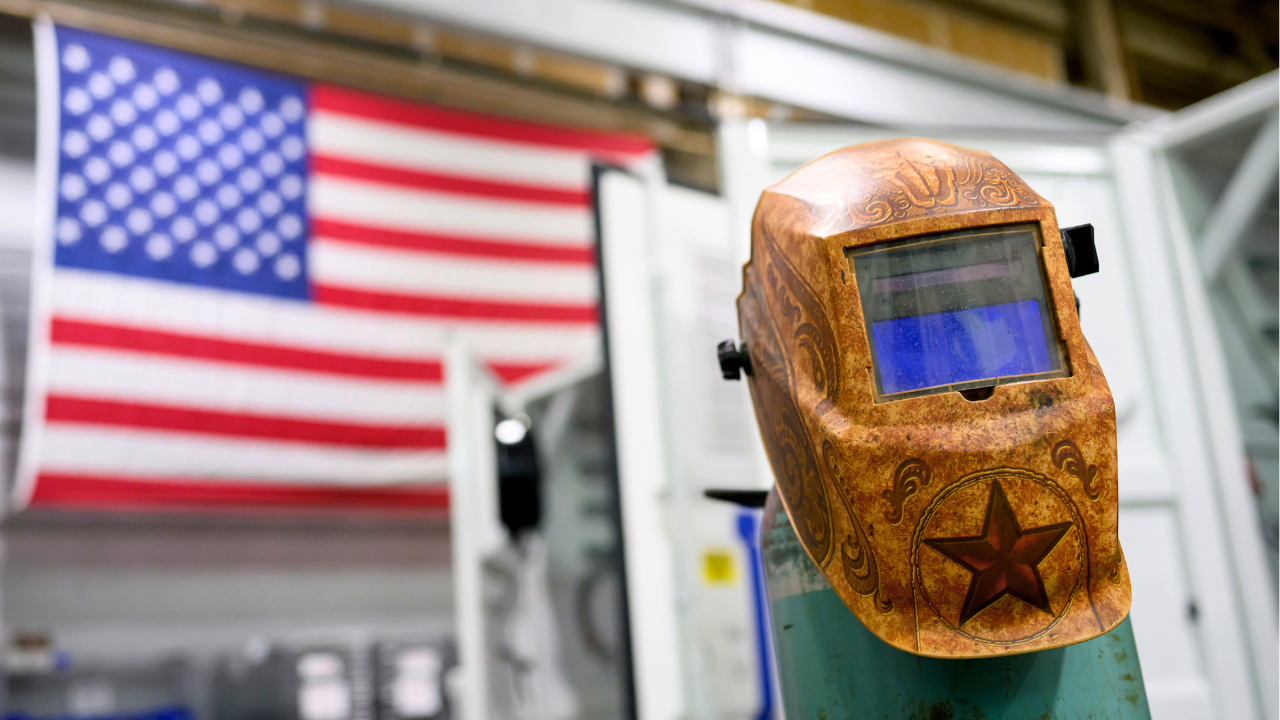
Tariffs were sold as a factory revival
President Donald Trump rolled out his April 2025 tariffs as a kind of industrial reset button. The pitch was simple enough, if not especially subtle: charge more at the border, and America would get more factory jobs at home. A new analysis from the Advancing American Freedom Foundation says that promise did not hold up. The group says the tariff surge did not produce a manufacturing comeback and instead slowed job growth across the economy. That is awkward for any policy sold as a jobs machine. It is even more awkward when the machine keeps sputtering and the bill still gets mailed.
The report says manufacturing lost jobs
Researchers estimate the tariffs left the country with up to 1 million fewer jobs than would have been expected under pre-tariff trends. Manufacturing, the very sector the policy was meant to help, allegedly lost about 75,000 jobs in the first year, or about 6,250 a month. Richard Stern, vice president of the Plymouth Institute for Free Enterprise at AAFF, said the team had more than 90% confidence that manufacturing lost jobs because of the tariffs. His explanation was blunt: many American producers buy imported parts and equipment, so the duties hit domestic makers too. In other words, the policy did not just tax foreign goods. It also taxed the companies trying to build things here.
Washington still collected plenty of money
The tariff revenue was not shy. Treasury data cited in the report shows duties rose from $9.6 billion in March 2025 to $23.9 billion by May, then reached $215.2 billion by the end of the 2025 fiscal year. January alone brought in $30.4 billion, about 242% more than the same month a year earlier. So yes, the government got a bigger pile of cash. That is often the part of the story that gets treated like a moral victory, as if a bigger tax haul proves the tax was wise. The report argues the money came from U.S. importers, not some magical foreign paymaster who forgot to read the memo.
Households and businesses, according to the report, took the hit
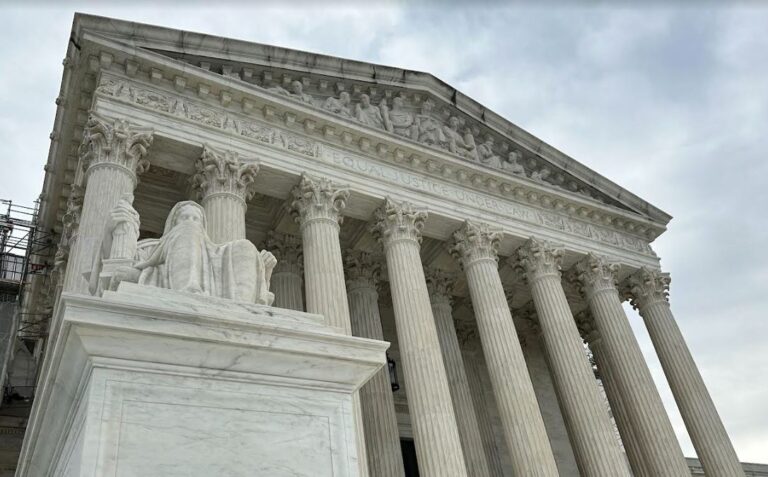
The analysis says about 90% of the tariff burden fell on U.S. importers, and the average American family paid roughly $1,000 more in tariff-related costs during 2025. The White House did not address the report’s claims directly. Instead, spokesman Kush Desai took a shot at the group, calling it “another useless memo” and mocking Mike Pence. That is standard Washington defense, which is to answer economic criticism with a personality jab and hope no one notices the receipts. Meanwhile, businesses are now pursuing refunds after the Supreme Court struck down the sweeping tariffs, but the report says lost jobs and shuttered factories will not be refunded quite so neatly. A spreadsheet can be corrected. A closed factory is less cooperative.
WE’D LOVE TO HEAR YOUR THOUGHTS! PLEASE COMMENT BELOW.

Leave a Comment