

A Hearing Finds the Culture-War Thermostat
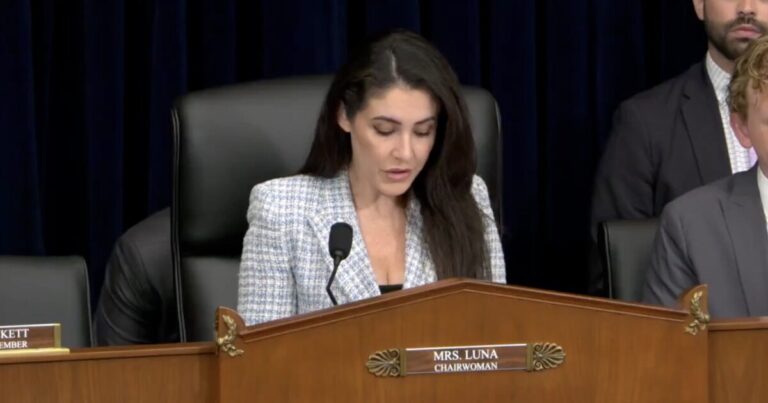
During a House Oversight hearing on Tuesday, Rep. Brandon Gill, a Texas Republican, questioned Dr. Anthea Hartig, director of the Smithsonian’s National Museum of American History, about materials linked to the museum that described traits such as objectivity and politeness as parts of “white supremacy culture.” That is one way to make a taxpayer-funded history hearing feel like a faculty lounge trapped in an elevator. Hartig said the “mass action toolkit” was not created by the Smithsonian and said the museum was not promoting an ideology. Gill pressed her on why the document had been used as a reference under her leadership, especially when museums are supposed to collect evidence, weigh facts, and avoid turning basic manners into ideological contraband.
Objectivity Becomes the Awkward Word
Gill asked Hartig whether objectivity is a goal of history. Hartig answered that historians have many goals, then said the museum strives to be objective and nonpartisan. Gill then pointed to the toolkit’s language treating objectivity as a defining part of “white supremacy culture,” asking whether that created a problem for the Smithsonian. Hartig paused and asked which document he meant, then said again that the museum did not develop it. The exchange put the Smithsonian in a strange spot: claiming objectivity as a professional standard while defending the use of a reference that treats objectivity as suspect. Only in modern bureaucracy can “please look at the facts” become a loaded statement.
Mickey Mouse Gets Dragged Into It
Gill also raised a Smithsonian-linked exhibit reference describing Mickey Mouse as “one of the last vestiges of black-faced minstrelsy.” Hartig said Mickey Mouse is not racist, but added that the historical origins of the character tie to minstrelsy. Gill pressed her on whether that meant Mickey Mouse was rooted in racism. Hartig answered that it was rooted in minstrelsy and said minstrelsy has “certain and obvious racial overtones.” She also said it was not her job to decide what is problematic, but what is accurate. That answer was more careful, though it still shows the problem with museum language that can sound less like history and more like a seminar where even a cartoon mouse needs a compliance officer.
Politeness Enters the Witness Chair
The sharpest moment came when Gill asked Hartig if it is important to be polite. She said yes. Gill then said the same toolkit referenced politeness as a defining characteristic of “white supremacy culture,” and asked if she was a white supremacist. Hartig said no, then said she was not familiar with the passage. Gill responded that he had just read it to her. The point was simple enough for viewers at home: if a public institution references materials that label normal civic habits as oppressive, its leaders should be ready to explain why. Instead, the hearing showed the usual fog machine of “we did not write it,” “we referenced it,” and “that is not what we promote,” which is bureaucratic tap dancing with sensible shoes.
Watch the Exchange
WE’D LOVE TO HEAR YOUR THOUGHTS! PLEASE COMMENT BELOW.

Leave a Comment