
What “Next Election” Means
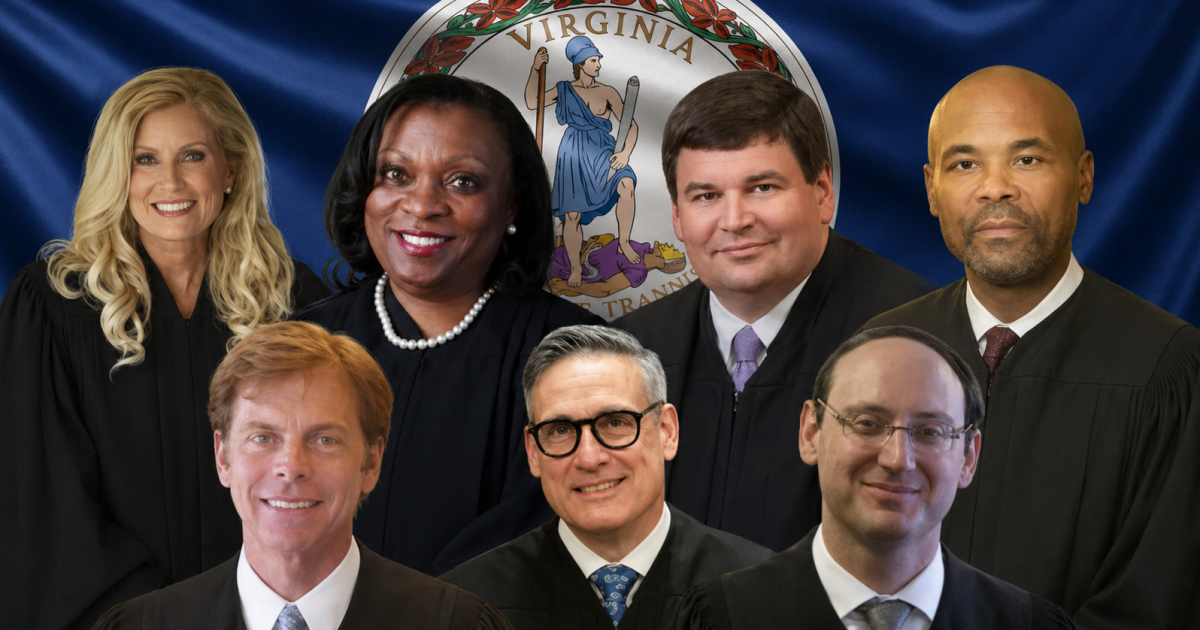
The Virginia Supreme Court spent much of the hearing on one phrase: “next general election.” The challengers argued that Virginia law treats an election as a single day in November, not a long early-voting runway that starts weeks before Election Day. The state took the opposite view, which is convenient if the calendar needs a little coaching. Several justices pressed both sides on how voters would have understood the constitutional text when it was ratified, which is usually the point where legal fog and political wishful thinking stop getting along.
Early Voters, Late Amendment
Another key issue was timing. Opponents pointed to voters who had already cast ballots before the amendment was even proposed, including an early voter who said she later learned that her delegate had helped advance the resolution. The defense argued that early voting is part of the process and that voters accept the risk when they vote early, which is a bold way to describe a constitutional schedule. The practical problem is simple enough for once: if the public votes before the amendment exists, the required second look starts to look less like democratic caution and more like paperwork after the fact.
Special Session, Same Old Games
The hearing also dug into how the amendment got into the legislature in the first place. The special session was called to handle budget bills, but the amendment fight was added after lawmakers convened. Opponents said that was a bait-and-switch, since a session called for one purpose should not become a buffet table for another. The state’s position went further, arguing that once the special session begins, the General Assembly can decide its own business by majority vote. That theory gives lawmakers a lot of room, and not in a reassuring “checks and balances” kind of way.
The Court Keeps the Block in Place
After the arguments, the Virginia Supreme Court denied a request to pause the order blocking the referendum, so the challenge remains alive for now. The justices have not ruled on the merits yet, but the hearing made the central dispute plain enough: this is not just about slogans or map-drawing dreams, but about whether the state followed its own constitutional steps. Government loves procedure right up until it has to obey one.
Clips From the Hearing
The clips below capture the exchanges that drew the most attention, including the fight over the meaning of “election” and the scope of a special session. In other words, the kind of legal debate that reminds everyone why words matter and why bureaucracies would rather they did not.
WE’D LOVE TO HEAR YOUR THOUGHTS! PLEASE COMMENT BELOW.

Leave a Comment