
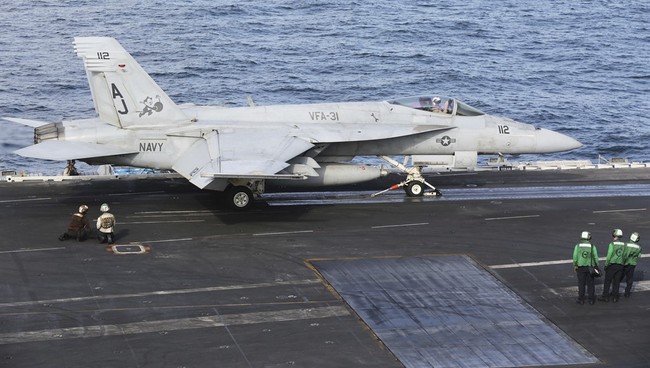
CENTCOM says the response has started
U.S. Central Command said forces began launching self-defense strikes against Iran at 5 p.m. ET, after what the Pentagon describes as the downing of a U.S. Army Apache helicopter over the Strait of Hormuz. The crew survived, which is the small mercy in a very large and familiar mess. The official line is that the strikes are proportional and tied to what U.S. officials call unjustified Iranian aggression. In plain English, Washington is saying the answer to a hit on an American aircraft is not a sternly worded memo and a strongly edited press release.
Reports point to several coastal targets
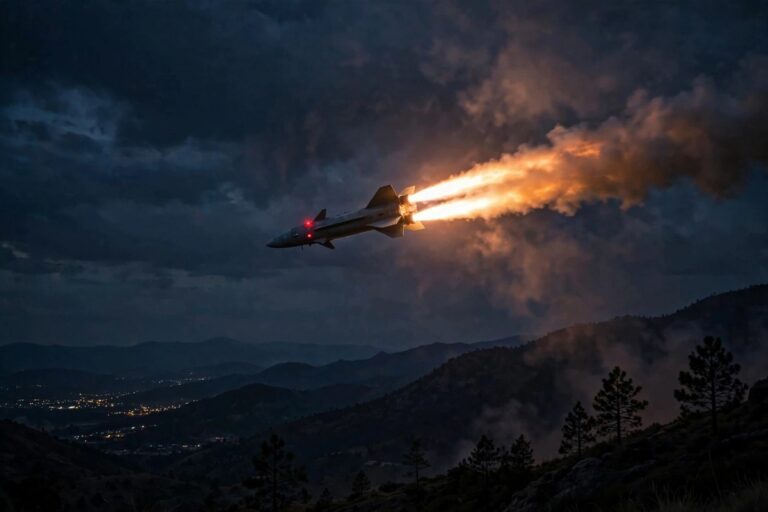
Unofficial reports from the region say multiple locations were struck, including Qeshm Island, Sirik, Jask, Bandar Abbas, Minab, and the port of Qeshm. Iranian local media reports cited attacks on naval bases, an air defense position, coastal missile batteries, and port facilities in Hormozgan province. Those details are still being sorted out, so the usual fog of war rules apply. Everyone suddenly becomes very precise when the missiles are already in the air, which is convenient for the people writing the spin and less convenient for everyone else.
Both sides are now talking hard
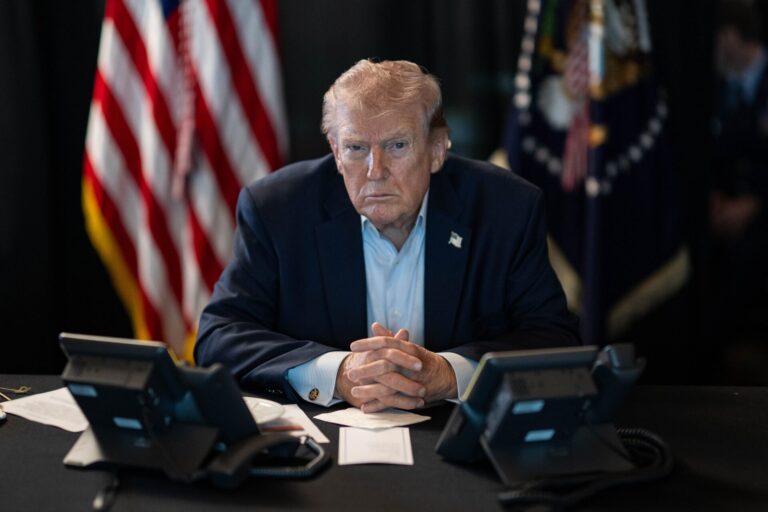
President Trump told ABC that the U.S. was responding as the strikes began and said the reply should be “very strong” and “very powerful.” The IRGC answered with a promise of a “heavy response,” which is how governments announce that the next round of trouble may be on the way. For now, the facts are simple enough: an American helicopter was hit, the crew lived, and U.S. forces hit back. What happens next will depend on whether Tehran wants to keep this limited or keep feeding the cycle that bureaucrats always swear they are managing right up until they are not.
WE’D LOVE TO HEAR YOUR THOUGHTS! PLEASE COMMENT BELOW.

Leave a Comment