
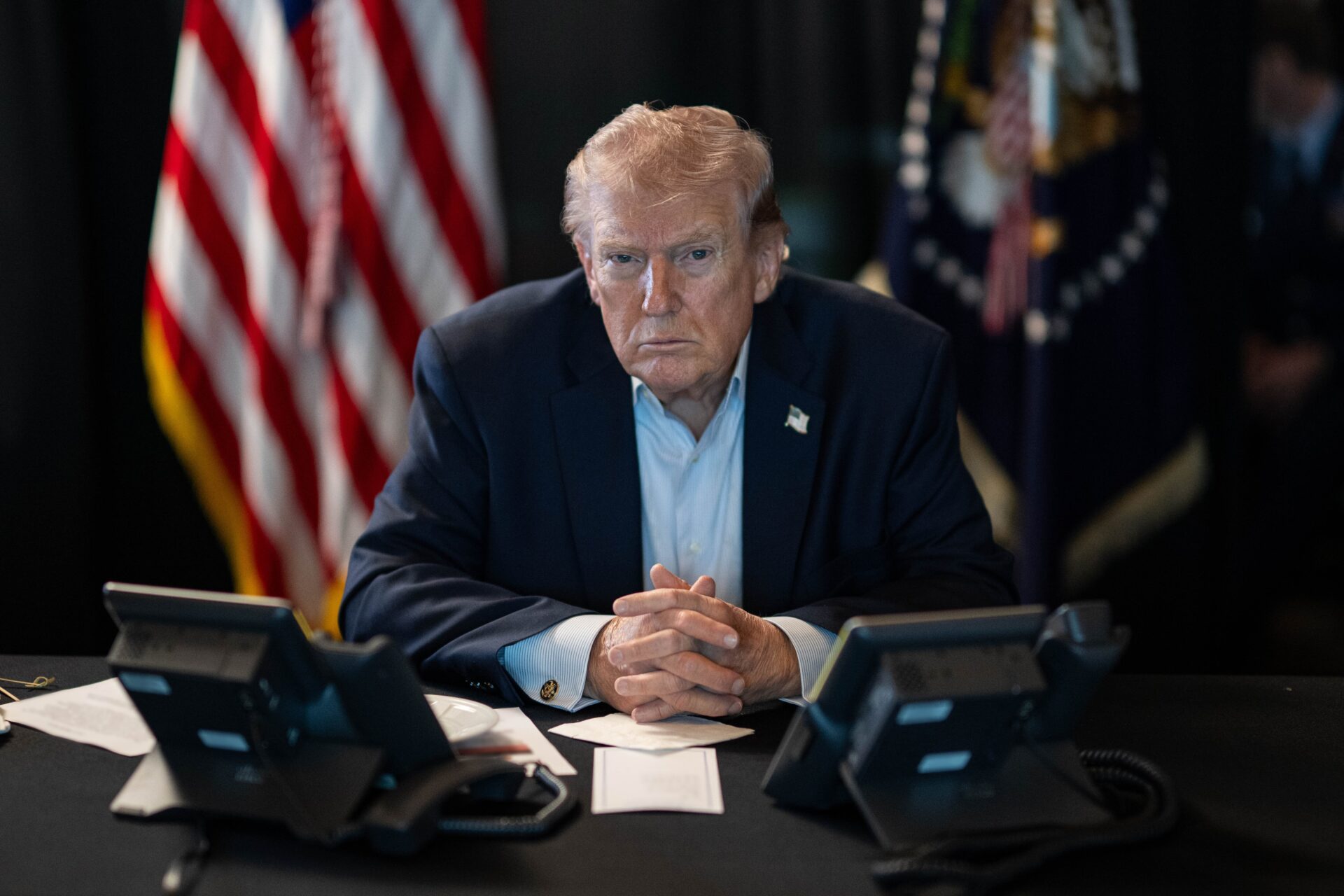
Ceasefire Meet Reality
Iran appears to have tested the new ceasefire almost as soon as the ink dried, or at least as soon as the talking points were printed. Reports from Iranian state media said tanker traffic in the Strait of Hormuz was suspended after fresh fighting involving Hezbollah in Lebanon, while other reports said Iran was pressing tankers for fees as they tried to pass through. PBS journalist Elizabeth Landers said President Trump told her that Israel’s fighting with Hezbollah was not part of the ceasefire deal, which is a useful reminder that diplomats can draw lines on a map, but trouble tends to ignore them.
Washington Pushes Back
The White House moved quickly to say the strait was not fully shut and that the public alarm did not match the private briefings. Press Secretary Karoline Leavitt said reports of a closure were misleading and pointed to more traffic in the waterway, along with private assurances that the route remained open. That may calm a briefing room for a few minutes, which is about as long as most official certainty lasts. Shipping lanes do not run on optimism, though. They run on risk, insurance, and the small detail of whether armed forces are acting like toll collectors.
Trump Turns Up The Pressure
Trump used Truth Social to threaten Iran over the reports, saying tankers were not supposed to be charged to pass through the strait and warning that any such fees had to stop. He also called Iran’s conduct “dishonorable” and said the arrangement in place did not include choking off oil flow. In another post, he said U.S. ships, aircraft, and military personnel would remain in the region until Tehran met the terms of what he called the real agreement. Bureaucrats love a phrase like “ongoing negotiations,” but markets usually prefer a lane that is actually open.
Oil Traffic Still Looks Stuck
Even with the White House saying traffic was moving, shipping data suggests the bottleneck remains serious. The global ship tracking firm Kpler said roughly 820 commercial vessels were still trapped in the Gulf, with only five having exited on the first day of the ceasefire. That is not the sort of number that inspires confidence or lowers freight rates. It suggests that, whatever is being said in public, many ship operators still see the strait as a place where one bad decision can become everyone’s problem. Energy markets have a long memory and a very short patience for spin.
WE’D LOVE TO HEAR YOUR THOUGHTS! PLEASE COMMENT BELOW.

Leave a Comment