
The Database Is Back in Play
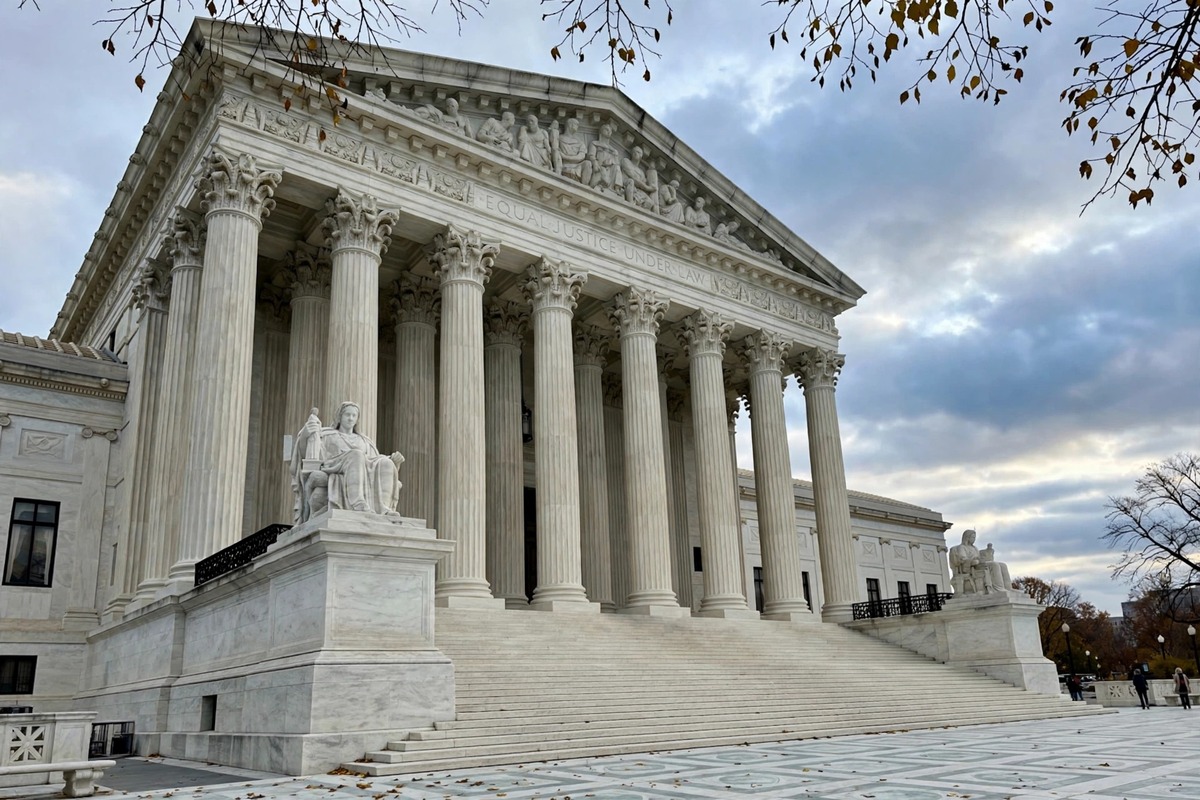
The Supreme Court has reinstated President Trump’s voter citizenship verification database. In an unsigned 6-3 order, the justices allowed the administration to use an expanded federal database containing citizenship information. Justices Sonia Sotomayor, Elena Kagan, and Ketanji Brown Jackson dissented. The decision came after lower courts ruled that the administration’s changes were likely unlawful. The administration then filed an emergency request with the Supreme Court, which granted it. In practical terms, the federal government can now use the database while states examine voter-registration information. That gives the White House another tool as Trump encourages states to review their voter rolls. It is a major legal development, although government databases remain less exciting than the phrase “major legal development” suggests.
Permission With a Large Asterisk
The ruling does not erase every restriction on voter-roll changes. The court noted that the National Voter Registration Act bars broad purges of voter rolls during the weeks before an election. The justices said that rule “limits the potential impact” of the decision this year. States can still make individualized queries about voters, but the ruling does not create a free pass for sweeping action at the worst possible time on the election calendar. In other words, the administration received permission to use the citizenship database, but the fine print is still doing its usual work. The legal system has allowed the tool back into the toolbox while leaving states to operate within federal election law.
Jackson’s Warning and Trump’s Election Order
Jackson argued that the risks to lawful voters outweighed the government’s interest in taking an action it may not have the authority to take. In her dissent, she wrote, “The harm caused by burdening or disenfranchising even a few lawful voters outweighs the nonexistent harm that the government experiences when it is prevented from taking an action that it likely lacks the authority to take.” The dispute reflects two competing concerns: verifying citizenship information and avoiding mistakes that could burden eligible voters. In March, Trump signed an executive order focused on preserving and protecting election integrity. He said free, fair, and honest elections require votes to be properly counted and protected from illegal dilution, discrimination, fraud, and error. The Supreme Court’s order now places that election-integrity effort alongside a clear warning that broad voter-roll purges remain limited by federal law.
WE’D LOVE TO HEAR YOUR THOUGHTS! PLEASE COMMENT BELOW.
Leave a Comment