
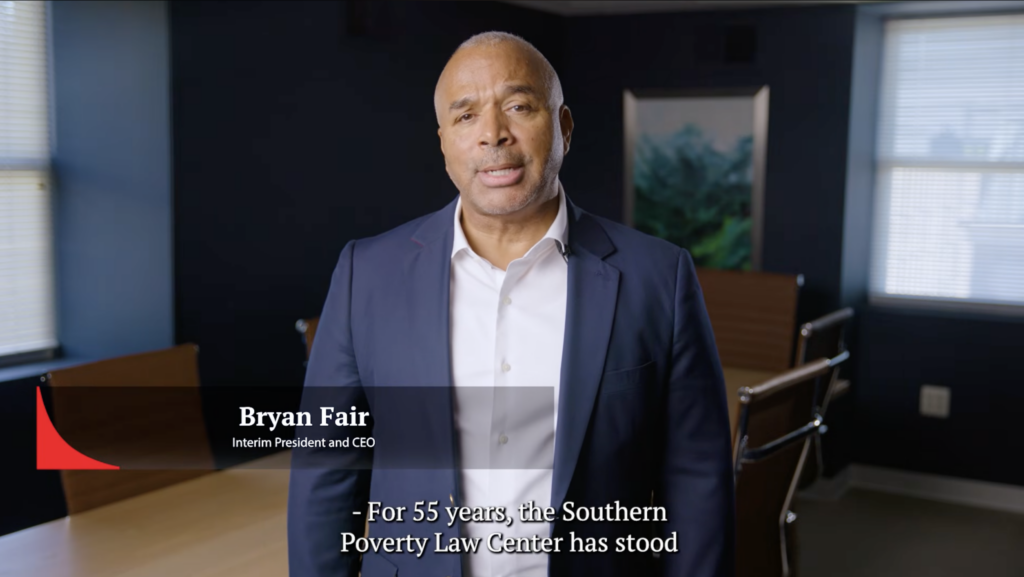
The indictment cuts into the SPLC’s moral authority
For years, the Southern Poverty Law Center presented itself as a kind of civic referee, one that could tell corporations, donors, and tech platforms which groups were hateful and which were safe to ignore. That brand mattered because labels have power. They can cut off donations, shrink reach, and turn a public debate into a digital exile. Now a newly unsealed federal indictment has put the SPLC on the other side of the same kind of scrutiny it liked to hand out. Prosecutors allege the group used money from donors to pay a covert network tied to violent extremist groups, including the KKK, and a federal grand jury has charged the SPLC with wire fraud and conspiracy to commit concealment money laundering. The people who make a living warning everyone else about hidden dangers have a way of becoming very interested in process when the cameras swing their way.
A field source allegedly made racist posts under supervision
The indictment says one SPLC field source was part of the online leadership chat group that planned the 2017 Unite the Right event in Charlottesville and attended it at the direction of the SPLC. Prosecutors also say that source made racist postings under SPLC supervision and helped coordinate transportation for attendees. According to the filing, the source was paid more than $270,000 between 2015 and 2023. That is not pocket change, even in the world of activist nonprofits where every dollar seems to arrive with a press release and a moral lecture attached. If the allegations are true, the SPLC was not simply studying extremism from a distance. It was close enough to it to need a better cover story than most political consultants manage in an election year.
Blacklists and donor pressure were part of the playbook
The SPLC also spent years pushing its labels into corporate and institutional decision-making. In 2020, Republican members of the House Judiciary Committee wrote to Amazon CEO Jeff Bezos about AmazonSmile and the company’s reliance on SPLC judgments for charity eligibility. The letter said that relying on the SPLC helped censor conservative views by keeping groups off Amazon’s heavily trafficked digital platform, which meant less exposure and fewer donations. The SPLC has used similar tactics against groups like Turning Point USA, which it accused of advancing “white Christian supremacy,” and Alliance Defending Freedom, which it labeled a hate group. The Federalist was also placed under the SPLC’s Hatewatch label after publishing a transcript of a speech by then-Attorney General Jeff Sessions. So the pattern is familiar: hand out broad accusations, shape the funding environment, and trust that nobody will ask whether the judge is also taking notes from the defendant.
The bigger issue is the double standard
The new indictment does more than embarrass one advocacy group. It raises a simple question that the nonprofit and media class would rather not answer: what happens when the people selling outrage are accused of practicing the very conduct they condemn? If prosecutors are correct, the SPLC spent years helping corporations and tech platforms treat conservative and Christian groups as dangerous while allegedly funding racist online behavior under its own supervision. That is not just hypocrisy. It is the kind of institutional double standard that thrives on trust, grows on donations, and only becomes a problem once the paperwork stops cooperating. The system is always eager to lecture the public about hate. It is far less eager to explain how much of that hatred was being managed, funded, and packaged behind the curtain.
WE’D LOVE TO HEAR YOUR THOUGHTS! PLEASE COMMENT BELOW.

Leave a Comment