
Ohio Gets A Fraud Crackdown, Not Another Press Release
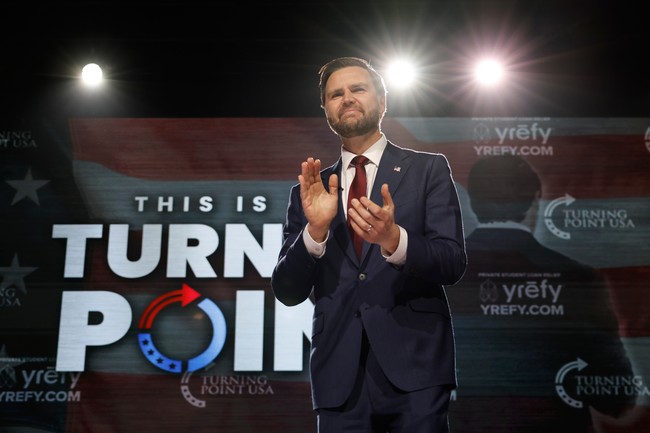
Vice President JD Vance was in Ohio on Thursday with Acting Attorney General Todd Blanche, FBI Director Kash Patel, CMS Administrator Dr. Mehmet Oz, White House Task Force Vice Chairman Andrew Ferguson, and state officials to talk about fraud in public programs. That same day, a House task force in Washington held its first hearing on what it said was $1.2 billion in fraud found in Ohio’s Medicaid home-health program. The timing was not subtle. The message was that the federal government is done pretending waste and abuse are just paperwork problems that can be filed into a nice blue folder and forgotten. Vance, as chairman of the fraud task force, has made this a central issue, and the administration is using arrests, prosecutions, and funding cuts to push states to clean up their act. For once, the paperwork seems to be following the crime instead of the other way around.
Patel Puts Faces On The Fraud Problem
FBI Director Kash Patel used the Ohio event to unveil a new FBI Most Wanted Fraudsters list, which is now live on the agency’s website. Patel said Americans should look at the scale of the losses, including fraud schemes tied to tens of millions and even billions of dollars, and then share any information they have. The list gives the bureau a public way to spotlight suspects while making it clear that fraud is not some harmless accounting error. It is theft with better branding. The government also hopes the publicity will do what layers of bureaucracy often do not, which is produce leads and pressure. Since the task force began in states like Minnesota and California, it has expanded to other states where public programs have been treated less like a safety net and more like a buffet.
Hawaii Loses Federal Fraud Funds After Weak Enforcement
The sharpest consequence in Thursday’s announcement hit Hawaii, where federal officials said the state’s Medicaid Fraud Control Unit will lose about $3 million a year in federal funding after failing to consistently bring criminal cases. The U.S. Department of Health and Human Services Inspector General sent a letter saying the unit was denied federal certification, which means the money stops. Vance also accused Hawaii officials of taking around $12 million in fraud-control money while failing to indict anyone in four years. That is the sort of record that usually gets a stern memo and a ribbon-cutting. Instead, it got a funding cut. Federal officials framed the move as part of a broader push to force states to police Medicaid abuse instead of collecting checks and hoping nobody notices. Apparently, “trust us” is no longer the winning argument.
WE’D LOVE TO HEAR YOUR THOUGHTS! PLEASE COMMENT BELOW.


Leave a Comment