
Kennedy’s Claim Puts Fauci’s Private Health Back in the Spotlight
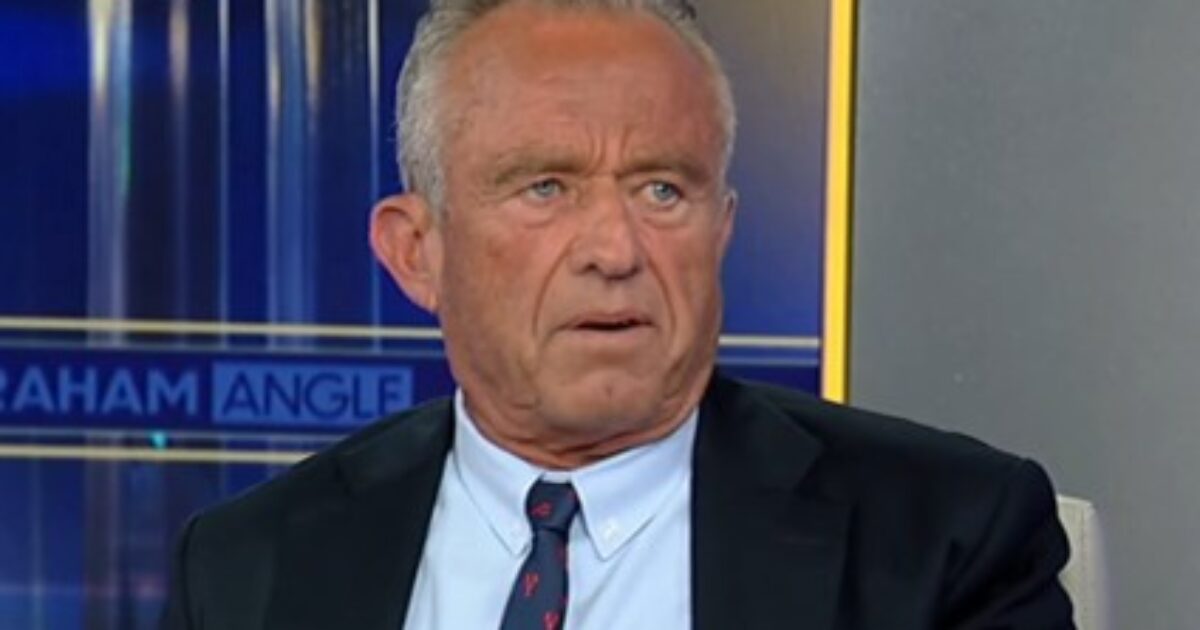
Health and Human Services Secretary Robert F. Kennedy Jr. told Fox News host Laura Ingraham that Dr. Anthony Fauci suffered a pulmonary infarction about five months after Fauci publicly received a COVID vaccine in December 2020. Kennedy said the information came from diary material recently released by Sen. Rand Paul, who chairs the Senate Homeland Security Committee. That is a serious claim, and it should be treated as a claim unless medical records, direct confirmation, or other verified documents back up the full account. Still, when a former top COVID adviser is accused of keeping a major health issue private while urging the public to trust federal vaccine guidance, the public interest is not hard to find. Washington’s usual answer will likely be a fog machine set to “process.”
What a Pulmonary Infarction Means
A pulmonary infarction happens when blood flow to part of the lung is blocked, causing lung tissue to die. It is often linked to a blood clot in the lung and can become life-threatening, especially if a person has trouble breathing or a dangerous drop in blood flow. Kennedy said such pulmonary events were among the adverse events federal health agencies were watching for in connection with the vaccines. That does not prove Fauci’s reported condition was caused by vaccination, because timing alone is not proof. It does, however, raise a fair question about disclosure, especially in an era when federal health officials asked Americans to accept sweeping rules with the warm bedside manner of an airport security checkpoint.
The Diary Angle Adds Political Heat
Paul’s release of Fauci diary entries has already drawn attention for what the entries suggest about Fauci’s public role during the early pandemic. One cited entry from March 10, 2020, has Fauci describing himself as becoming “an international celebrity” as calls came in from around the world. That line lands differently now, after years of lockdowns, mandates, school closures, and official lectures delivered with PowerPoint confidence. The new dispute over Kennedy’s claim adds another layer: whether a senior public health figure had a significant medical episode and whether the public deserved to know about it while officials were selling trust as the main product.
WATCH: Kennedy Makes the Claim
Why Disclosure Still Matters
Kennedy told Ingraham that Fauci was treated privately by top doctors while, in Kennedy’s telling, the public was assured the issue was not an adverse event. Fauci has not been shown in the provided material responding to Kennedy’s specific allegation. That matters, because medical privacy is real, but so is public accountability when the person involved helped shape national policy. The larger issue is not one doctor’s chart. It is whether federal agencies were fully candid about risks, uncertainty, and what they knew in real time. The same institutions that demanded public trust now have to live with public scrutiny. Funny how that works when the clipboard changes hands.
WE’D LOVE TO HEAR YOUR THOUGHTS! PLEASE COMMENT BELOW.


Leave a Comment