
Reeves Starts the Clock
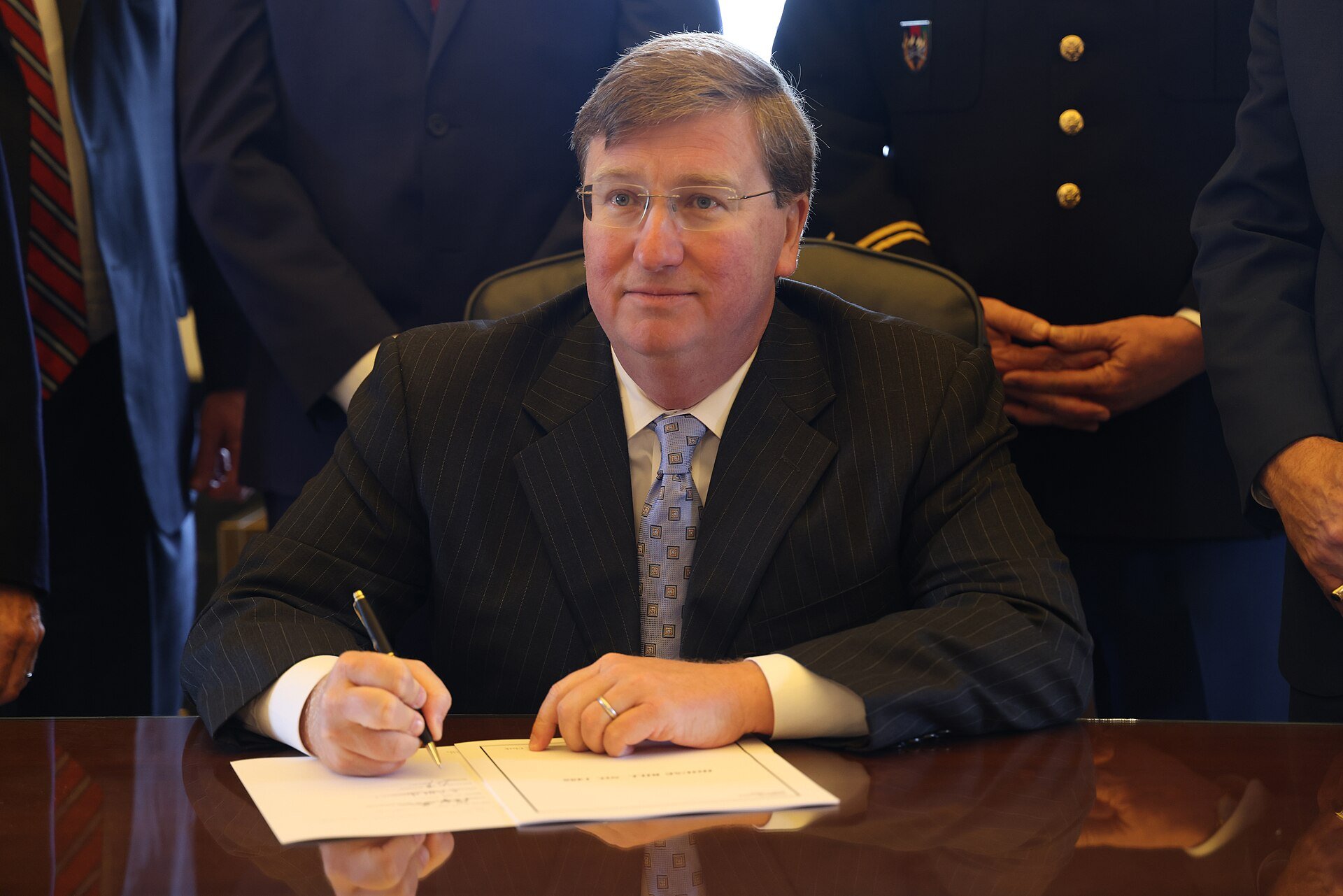
Mississippi Gov. Tate Reeves said Friday that he will call a special legislative session on redistricting, but only after the U.S. Supreme Court rules in Louisiana v. Callais. Under his plan, lawmakers would meet 21 days after the court issues its decision. That is a tidy way to avoid drawing maps under a cloud of legal guesswork, which is rare in politics and almost impressive. Reeves said the legislature should get the first chance to redraw district lines once the new rules are clear, and he framed the move as a matter of state authority and timing.
Why Callais Matters
The Louisiana case could reshape how courts handle race in congressional mapmaking. It stems from a fight over a district map that created a second majority-minority seat, and the Supreme Court is now weighing how far states must go when race and voting patterns overlap. The Trump Justice Department has urged the court to end race-based districts unless there is strong proof they are needed. In plain terms, the administration is arguing that mapmaking should not keep sorting voters by race first and citizenship second, a habit that has produced plenty of paperwork and very little peace.
What the DOJ Is Arguing
According to the filing, plaintiffs should have to show that a proposed majority-minority district is better than the state’s own map under race-neutral rules, including political factors, instead of assuming discrimination because the map does not match their preferred outcome. The brief also says courts should separate race from party when they look at voting patterns, since partisan voting often gets dressed up as something more noble when the legal fight starts. The DOJ says current conditions, including higher turnout and more minority elected officials, do not justify the old assumptions some courts still rely on. It is a familiar Washington pattern: a rule outlives the problem, then everyone acts surprised when the rule becomes the problem.
Mississippi Waits for the Ruling
Reeves said the state should not redraw its maps until the Supreme Court has settled the legal standard. He argued that lawmakers were not given a fair chance during the regular session because the Callais case was still pending. In his statement, Reeves said that when government classifies people by race, even as a supposed remedy, it sends the message that people of the same race think alike and share the same interests. That is the kind of theory that keeps bureaucrats, lawyers, and consultants busy for years. If the court changes the rules, Mississippi plans to move quickly, and the legislature will not have to pretend the map is a mystery novel written by a committee.
WE’D LOVE TO HEAR YOUR THOUGHTS! PLEASE COMMENT BELOW.



Leave a Comment