
DOJ Hits A Forced-Labor Scam Network
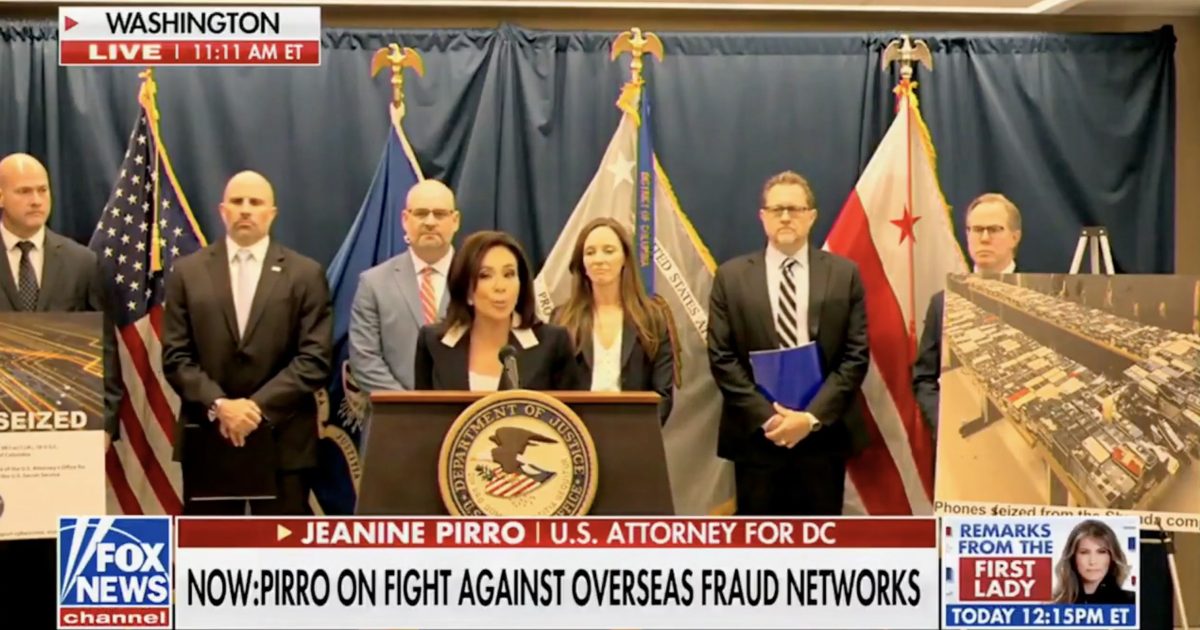
The Justice Department says it has charged two Chinese nationals tied to a scam compound in Burma and a wider fraud network that stretched into Cambodia. U.S. Attorney Jeanine Pirro announced the case as part of a new Scam Center Strike Force push, which sounds like the kind of name that should come with hard results, and for once it does. Federal officials say the compounds were not just online fraud shops. They were also places where trafficked workers were held, threatened, and forced to target Americans with fake investment pitches. The men named in the complaints are Huang Xingshan, also known as Ah Zhe and Huang Xing Saan, and Jiang Wen Jie, also known as Jiang Nan. Both are charged with wire fraud conspiracy. According to investigators, the operation ran like a chain, with recruiters, managers, enforcers, and scammers all doing their part, which is what criminal enterprise looks like when it grows up and gets organized.
Inside The Burma Compound
Federal investigators say the Shunda compound in Min Let Pan, Burma, operated from at least January 2025 until about November 2025, when the Karen National Liberation Army seized it. The people inside were not regular employees with bad office perks. They were trafficked workers who were lured in with promises of high-paying jobs, then had their passports taken and were forced to work under threat of violence. The DOJ says some were beaten, threatened, and held at gunpoint. Huang is accused of serving as a high-level manager and enforcer who personally took part in physical punishment of workers. Jiang allegedly supervised teams that targeted American victims. One of those workers, according to the complaint, helped steal more than $3 million from a single American using a fake investment platform. The organization reportedly treated that theft as a model success story, which tells you all you need to know about its values. After the Burma site was shut down, the two men allegedly moved to another scam compound in Cambodia and tried to keep the fraud going before ending up in Thai custody on immigration charges.
The Cambodia Recruitment Machine
The Strike Force also seized a Telegram channel with more than 6,000 followers that was used to recruit workers into Cambodia under false promises of good jobs. Some posts asked for people with American accents, some were for night shifts so the scam could run during U.S. daytime hours, and some sought attractive female candidates. That detail says plenty about the way these operations blend labor trafficking, deception, and routine online manipulation into one ugly machine. Once workers reached the compound, they were allegedly forced to make cold calls and impersonate banks, customer service agents, detectives, and even court staff. Victims were told their accounts had been tied to firearms purchases from a gun store website, then pushed through a chain of pressure on WhatsApp and Microsoft Teams until they sent over savings and account details. The DOJ says JPMorgan Chase, Microsoft, and Meta took internal action after being alerted by law enforcement, which is the sort of public-private partnership that usually gets a proud press release after the damage is already done.
Seizures, Domains, And Frozen Crypto
The strike force says it also seized more than 503 .com domains that were used to present fake investment platforms to victims. These sites were built to look legitimate, with fake returns and polished layouts, while the money flowed straight to scammers. The FBI’s Operation Level Up has been trying to warn victims before their losses get even worse. As of March 2026, the initiative had contacted 8,935 victims, and officials say 77 percent did not know they were being scammed. The FBI says the program helped save an estimated $562,726,245 that would otherwise have gone to fraudsters. It also referred 93 victims for suicide intervention, which is a grim reminder that online scams are not just lost dollars. They can wreck lives. The government says more than $701,962,392.15 in cryptocurrency tied to fraud has been identified and restrained through voluntary actions and legal process. In plain English, that is a very expensive reminder that the internet is not a trust-building exercise, no matter how polished the website looks.
Sanctions Reach The Financiers
The pressure campaign is not stopping at criminal complaints. The State Department announced a reward of up to $10 million for information leading to the seizure or recovery of proceeds tied to the Tai Chang scam centers in Burma’s Karen State. Treasury also imposed new sanctions on individuals and entities accused of running cryptocurrency fraud schemes against Americans through forced labor and violence in Cambodia. Those sanctions include Cambodian Senator Kok An, businessman Rithy Raksmei, and several associates and business holdings linked to scam center operations. The idea is simple enough, even if the bureaucracy needed to say it took three agencies and a half-dozen offices to get there. Cut off the money, squeeze the logistics, and make the scam economy more expensive to run. The FBI says the cases are being handled by field offices in New York, Miami, Detroit, Phoenix, San Diego, Washington, Seattle, Nashville, Honolulu, and elsewhere, with support from Thai authorities and U.S. legal attaches in Bangkok. It is a reminder that these fraud rings do not stop at one border, one app, or one fake bank script. They keep moving until somebody starts taking away the tools.
WE’D LOVE TO HEAR YOUR THOUGHTS! PLEASE COMMENT BELOW.


Leave a Comment