

A fast exit and one very quotable line
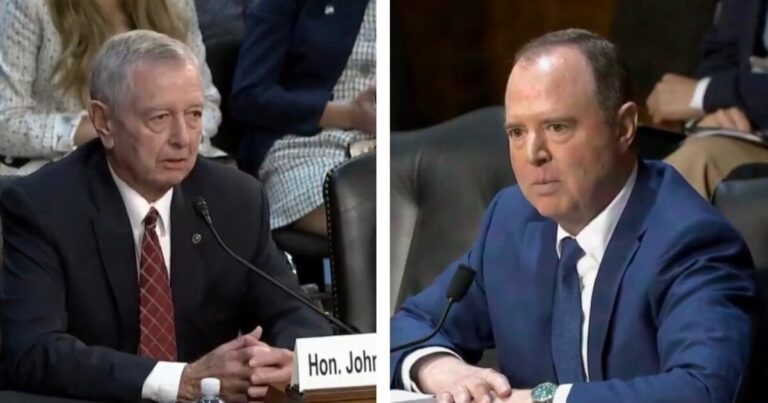
Former U.S. Attorney Joe diGenova is pushing back after a comment he made following his abrupt departure from a Justice Department investigation kicked up plenty of dust. According to The Gateway Pundit, diGenova resigned Thursday after five months as counselor to Attorney General Todd Blanche. He had been tapped to help run a broad South Florida probe into what the outlet described as the government’s years-long targeting of President Trump, including the so-called “grand conspiracy” or Spygate investigation. The exit came with Washington’s usual soundtrack: anonymous sources, claims of frustration, and enough palace intrigue to keep the bureaucracy’s coffee machines humming.
The New York Post report raised the temperature
The controversy grew after New York Post D.C. bureau chief Josh Christenson reported that sources said diGenova had lost support from Justice Department leaders and the White House. One source reportedly claimed the 81-year-old prosecutor and former Trump defense lawyer was “slow-rolling” indictments and getting lost down “rabbit holes.” Another source said diGenova had shared “unrealistic expectations” with the president about what the probe could produce, which allegedly led to a confrontation with Attorney General Todd Blanche. When Christenson asked diGenova about his sudden exit, diGenova replied, “If you want indictments where there’s no evidence, you have an ethical problem.” In the capital, a sentence like that does not sit quietly in the corner. It gets handed a microphone.
DiGenova says the remark was taken out of context
After the quote began making the rounds, diGenova clarified to the Associated Press that his statement had been “taken out of context.” He said, “There’s plenty of evidence in all of these cases to prove the theories of prosecution. It just takes time to get there, and some people want to get there a little faster than others — and you can’t do that.” That clarification matters because the original remark was quickly read as a suggestion that prosecutors lacked evidence against the people being examined. DiGenova’s version is different: he says the evidence exists, but the legal work cannot be rushed just because political patience has the shelf life of gas station sushi.
The probe had already seen personnel drama
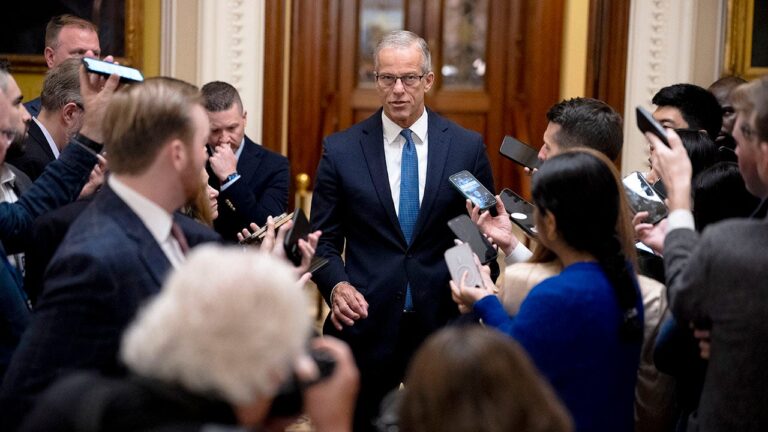
DiGenova was brought into the matter in April after career prosecutor Maria Medetis Long was removed from the case amid complaints about the slow pace. The Gateway Pundit reported that she had been removed earlier this year for “stonewalling and slow-walking charges against John Brennan.” At the time, diGenova’s appointment was treated by some conservatives as a major move toward accountability for the figures behind the Russia investigation era. But by summer, warning signs were already showing. Investigative journalist John Solomon accused Republican Senators John Thune and Tom Cotton of blocking investigators from obtaining transcripts of Brennan’s testimony before Senate committees. Solomon also questioned why Blanche had allegedly not authorized a subpoena for the Senate records. Blanche rejected the accusation and said there was “no daylight” between the Justice Department and Republican Senate leaders.
https://rumble.com/user/thegatewaypundit
Reuters described a wide-ranging investigation
Reuters reported that the Florida-based investigation has been examining whether Trump was the victim of a long-running criminal conspiracy connected to earlier probes and prosecutions, including Russiagate, the Mar-a-Lago raid, and former Special Counsel Jack Smith’s cases. That is a large target list, and large target lists tend to move slowly, especially when every agency memo, committee transcript, and legal theory has to survive courtroom scrutiny rather than cable-news applause. DiGenova’s clarification does not end the dispute over pace, strategy, or internal confidence at DOJ, but it does narrow the meaning of his “no evidence” remark: according to him, the issue is not whether evidence exists, but how fast prosecutors can ethically build cases from it.
WE’D LOVE TO HEAR YOUR THOUGHTS! PLEASE COMMENT BELOW.

Leave a Comment