

An Abrupt Exit From a High-Profile Probe
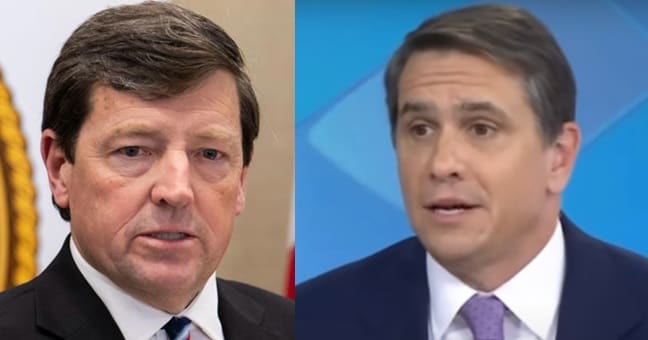
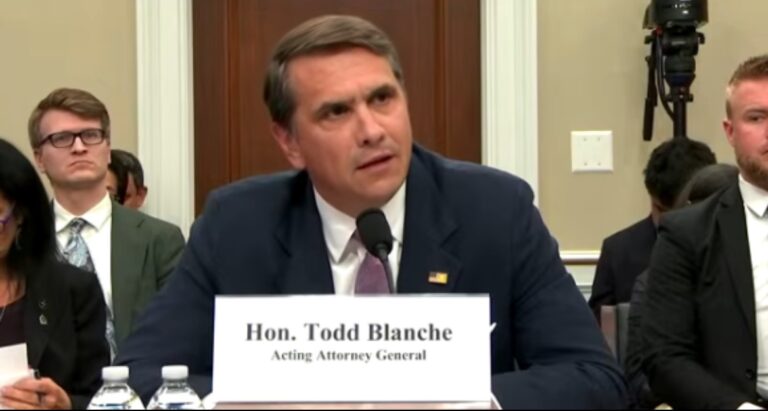
Former U.S. Attorney Joe diGenova abruptly resigned Thursday after about five months as counselor to Attorney General Todd Blanche. He had been tapped to lead the Justice Department’s sprawling “grand conspiracy” or Spygate investigation from South Florida. Reports described the inquiry as an effort to determine whether President Trump was the victim of a long-running criminal conspiracy tied to earlier investigations. The departure followed reports that senior Justice Department and White House officials had grown frustrated with the pace of the work. DiGenova, a longtime Trump ally, was suddenly at the center of a dispute over evidence, timing, and whether the investigation was moving fast enough. In Washington, a five-month assignment can apparently produce a full argument about deadlines.
The Sentence That Set Off the Dispute
Hours after submitting his resignation, diGenova spoke by phone with Josh Christenson, the New York Post’s D.C. bureau chief. Reports said diGenova had lost support among senior officials, with one source suggesting he was “slow-rolling” indictments and getting lost down “rabbit holes.” Another source said he had been sharing “unrealistic expectations” with President Trump about what the probe could and could not accomplish, leading to a confrontation with Blanche. Asked about his departure, diGenova replied, “If you want indictments where there’s no evidence, you have an ethical problem.” The remark was quickly read as suggesting that prosecutors lacked evidence for cases involving the figures under investigation. One sentence had managed to outrun the rest of the story, which is a familiar perk of the modern news cycle.
His Clarification Changes the Emphasis
After the remark began circulating, the Associated Press contacted diGenova again. He said the statement had been “taken out of context,” then argued that there was plenty of evidence in the cases to support the theories of prosecution. He added that reaching that point takes time, while some people want to get there faster, and that the process cannot be rushed. His explanation presents the original warning as an ethical objection to forcing indictments before prosecutors are ready, not as a declaration that the investigation has no evidence at all. That distinction is doing a lot of work here, but it is the distinction diGenova says the public missed.
The Pace Problem Predated His Resignation
DiGenova joined the investigation in April after career prosecutor Maria Medetis Long was removed from the case amid complaints about its slow pace. His appointment was celebrated at the time as a major step toward holding the alleged architects of the Russia hoax accountable. Warning signs appeared over the summer. In August, investigative journalist John Solomon accused Republican Senators John Thune and Tom Cotton of blocking investigators from obtaining transcripts of John Brennan’s testimony before Senate committees. Solomon also questioned why Blanche had allegedly not authorized a subpoena for the records. Those claims were disputed, but they showed that the fight over the investigation was not limited to one resignation or one carefully sharpened sentence.
Blanche Denied a Split With Senate Republicans
Blanche rejected Solomon’s accusation and said there was “no daylight” between the Justice Department and Republican Senate leaders. The dispute therefore has three moving parts: investigators seeking testimony, a journalist saying congressional records were being blocked, and the attorney general denying that the department was at odds with Senate Republicans. The material does not report that the transcripts were obtained or that a subpoena was issued. It does show why the Florida probe has become a test of more than legal theories. Its progress is also being judged through internal complaints, public accusations, and competing accounts from people close to the process. Bureaucracies rarely miss a chance to turn a records request into a full political weather system.
What the Florida Investigation Is Examining
Reuters reported that the Florida investigation sought to determine whether President Trump was the victim of a long-running criminal conspiracy involving earlier investigations into Russiagate, the Mar-a-Lago raid, and prosecutions by former Special Counsel Jack Smith. That report described an investigative question, not a proven finding. DiGenova’s clarification places his argument inside that larger dispute: he says evidence exists, but the path from investigative theory to indictment takes time. The investigation’s reported focus remains those earlier episodes and the question of whether they formed part of a broader criminal conspiracy.
WE’D LOVE TO HEAR YOUR THOUGHTS! PLEASE COMMENT BELOW.
Leave a Comment