
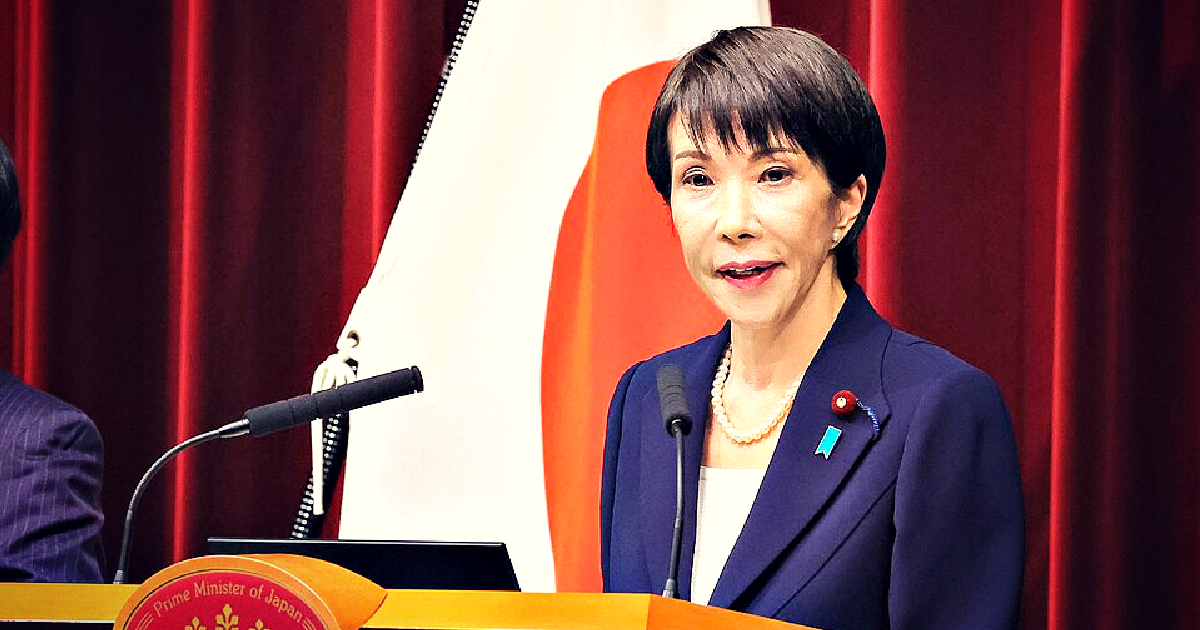
Tokyo rewrites the rules
Japan has taken its biggest defense export step in decades. Prime Minister Sanae Takaichi’s cabinet approved changes that let Japanese firms ship weapons overseas for the first time since World War II. Before this, exports were largely limited to gear used for rescue, transport, warning, surveillance, and minesweeping. That is a very careful list, which is what you get when a country wants to keep one hand on the brakes while the world keeps stepping on the gas. The new policy does not erase all limits, but it does move Japan far beyond the old habit of treating every arms sale as a national panic.
Security, with a side of sales
Tokyo says the shift is about security, regional stability, and a tougher neighborhood. China, Russia, and North Korea all play a role in that argument, and not just as names for talking points. The government also says lethal exports to countries already in conflict will only be allowed if the deal is judged to be in Japan’s national interest. That phrase is doing heavy lifting, which is often how official language works. The message is simple enough: Japan wants to strengthen its defenses, but it also wants its industry to grow, hire, and sell. Bureaucrats call this balance. Markets call it opportunity.
The Australia deal changes the tone
The new rules came just days after Tokyo signed a deal to sell advanced warships to Australia, Japan’s first postwar export of lethal war-fighting equipment. Mitsubishi Heavy Industries is the lead contractor on that sale, and Reuters noted that the company was already ranked among the top defense firms in the world by revenue. Japan has also raised defense spending, which means the export push is not happening in a vacuum. It is part of a broader effort to turn Japan into a bigger player in the global defense market, with missiles, ships, and other systems now in reach. For years, the country acted like military strength and commercial ambition were meant to stay in separate rooms. Now they are being introduced at the same table.
What the new rules really signal
Officials insist Japan is still a peaceful nation and say the new policy fits that idea. Maybe so. But this is also a clear break from the postwar script that lasted more than 80 years. The government is trying to present the change as measured and responsible, which is the usual way big policy shifts arrive when no one wants to say they are making a big policy shift. The real question is not whether Japan can export more weapons. It can. The question is how far future cabinets will go, and whether the promise of security will keep pace with the pull of profit.
The clip trail
These posts and reports show how fast the story moved from rumor to policy to market reaction. The public line is that Japan is protecting itself and supporting peace. The practical line is that it is opening a door that had stayed shut since the war. Governments love to describe this kind of move as cautious. Caution is nice. So is a factory order book.
WE’D LOVE TO HEAR YOUR THOUGHTS! PLEASE COMMENT BELOW.


Leave a Comment