
Druzhba Returns to the Center Stage
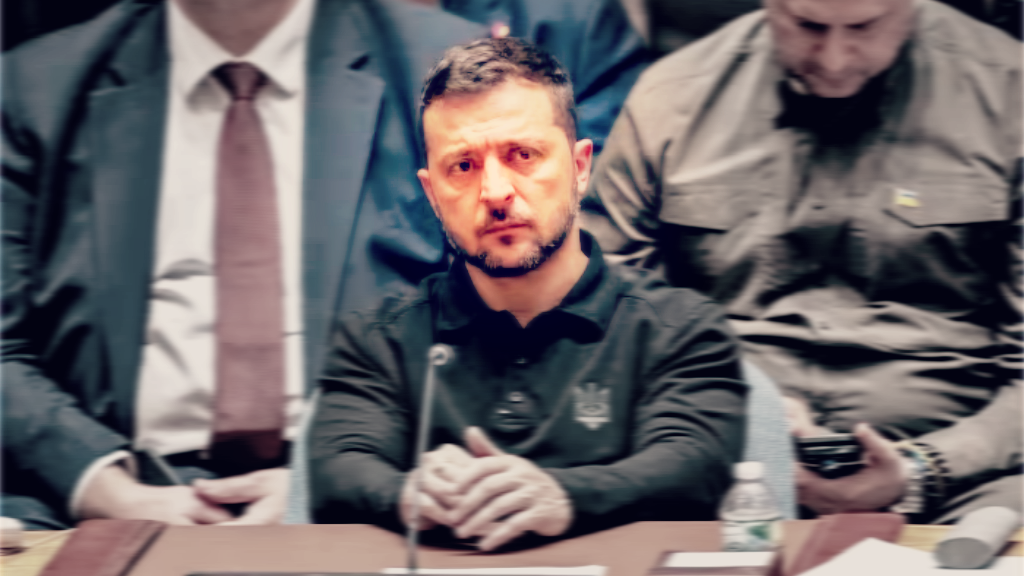
Ukraine’s president, Volodymyr Zelensky, said in a televised interview that the damaged Druzhba pipeline carrying Russian oil to Eastern European countries should be ready to operate by the end of April. Reuters said the interview appeared to have been recorded before it aired, which is a useful reminder that in modern politics, even the timing needs a press office. The pipeline has become more than a piece of infrastructure. It is now a bargaining chip, a pressure point, and another reminder that Europe’s energy system is often one phone call away from drama.
Budapest Wants the Oil Flowing
Hungary’s incoming prime minister, Peter Magyar, has also called for the pipeline to reopen as soon as it can safely carry oil again. He said the issue was not a game and warned against turning fuel supply into political theater. Magyar also said that if the line is fit for service, it should be reopened as promised, and that Russia would still need to supply the oil for the system to work at all. That is the sort of practical detail that often gets buried under grand speeches about values, unity, and whatever the policy group decided sounded inspiring that week.
Brussels Sees Another Leverage Point
Euronews reported that the pipeline issue is tied to larger EU politics, including Hungary’s veto over a major financial loan for Kyiv and ongoing debates about accession talks. Reports suggested oil supplies might be restored in exchange for progress on those fronts, though Magyar downplayed the idea of pressure by saying this was not blackmail. That is Brussels in one sentence: a place where every problem becomes a negotiation, and every negotiation comes with a task force, a statement, and enough fine print to keep a law office busy for years.
Energy Security, But Make It Political
The broader issue is not just one pipeline. It is how quickly energy policy turns into a proxy battle over alliances, loans, and border disputes. Hungary wants reliable supply. Ukraine wants leverage. The EU wants unity, preferably without admitting how often it relies on bargaining to get there. For now, the pipeline’s return depends on repairs, supply, and politics all lining up at once, which is not exactly Europe’s strongest habit. If the flow resumes, it will be because everyone involved decided that keeping the lights on is better than winning the argument for another news cycle.
WE’D LOVE TO HEAR YOUR THOUGHTS! PLEASE COMMENT BELOW.


Leave a Comment