
Same Script, New Guest Star
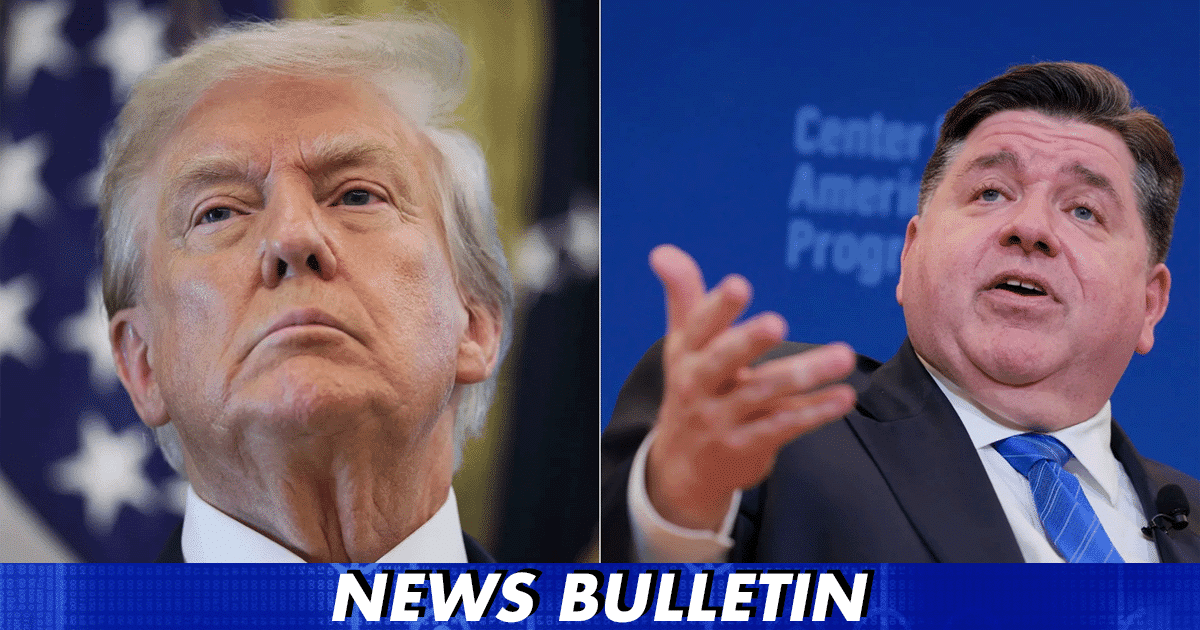
Illinois Gov. JB Pritzker went on CNN and stood by his Nazi Germany comparison, saying he was warning about how a constitutional republic can be torn apart. That may sound serious, but in Washington and its media echo chamber, alarmist language has become the favorite tool of people who want to sound brave without having to do much explaining. The result is a public debate that runs on outrage fumes, where every disagreement gets dressed up like the opening scene of a world-historical disaster.
What He Said, Plain and Simple
Pritzker told CNN’s Inside Politics that “much of what I said has been proven to be true” and argued that institutions of democracy are being attacked by Republicans and Donald Trump. He also said there has been an uptick in violence “on both sides” over the past eight to twelve years. That kind of sentence is doing a lot of work. It mixes warning, blame, and self-defense into one neat package, which is handy when you want to sound measured while still tossing gasoline on the fire.
Why the Comparison Matters
Comparing modern America to Nazi Germany is not a small rhetorical step. It is the sort of claim that should come with facts, careful limits, and maybe a touch of humility, which is not exactly the strong suit of modern political branding. The historical record of 1930s Germany was not a cable-news debate segment. It was a brutal collapse into dictatorship, terror, and mass murder. When politicians use that history as a prop, they risk turning real warnings into just another talking point, filed under “urgent” and forgotten by lunch.
The Violence Question Gets Messy
Pritzker’s comment about violence on both sides is the part that invites the usual round of selective outrage and strategic amnesia. Political violence is a real problem, and it should be condemned without the partisan scorekeeping that so often comes with a press release. But the public is not helped when elected officials speak in broad moral panic and then act surprised when the conversation gets more chaotic. The system rewards spectacle, the activists reward escalation, and the media rewards anyone willing to say “this is unprecedented” with a straight face.
What This Says About the Moment
The larger problem is not one governor on one cable show. It is a political culture where exaggerated warnings are often treated as proof of seriousness. Bureaucracies issue statements, consultants script the outrage, and television panels nod along as if repetition makes a claim true. Meanwhile, regular voters are expected to sort reality from performance on their own. That is a rough assignment, but it is becoming the national habit. The country could use fewer apocalyptic monologues and more adults who can tell the difference between a constitutional crisis and a bad news cycle.
WE’D LOVE TO HEAR YOUR THOUGHTS! PLEASE COMMENT BELOW.
Leave a Comment