
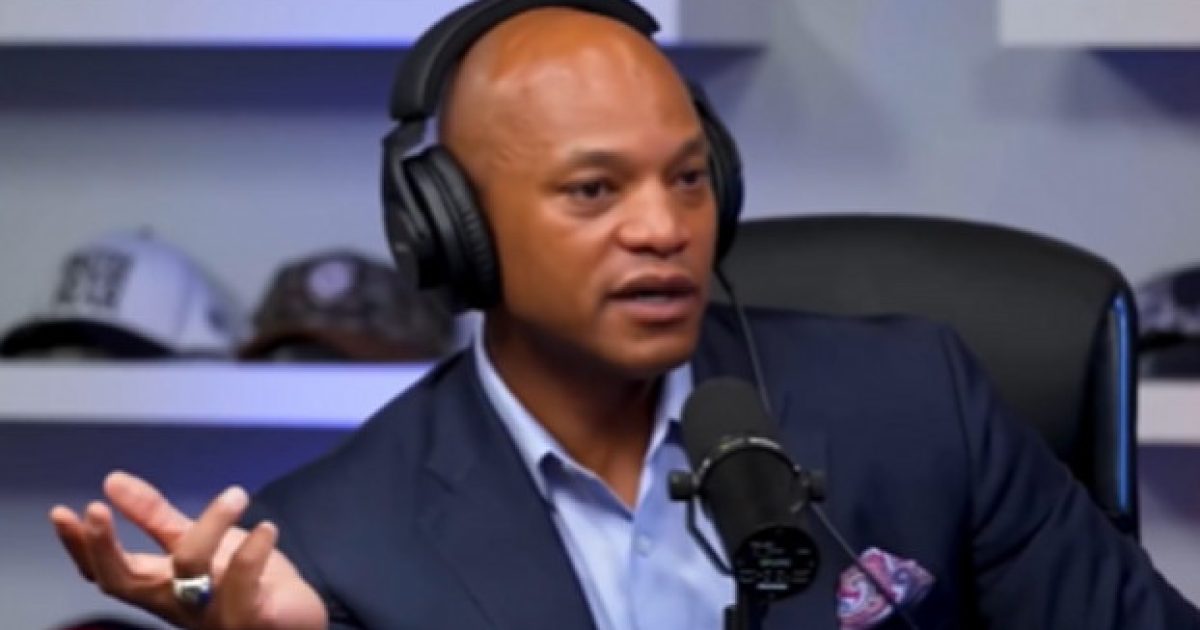
Moore Would Not Draw a Hard Line
In a podcast interview with Patrick Bet-David, Maryland Gov. Wes Moore was asked a direct question about his 14-year-old son: if the boy wanted to transition to female, would Moore stop him? Moore said he would not reject his child or throw him out of the house, which is a low bar and a reasonable one. But he also said that if it were “a journey that he wants to go down,” he would stay involved and help him along it. That is the sort of answer that sounds warm in a studio and fuzzy everywhere else, especially when parents are trying to tell the difference between support and surrender.
He Later Added One Caveat
Moore later said he would not support the use of puberty blockers, which is at least one sentence with an edge. He was also asked whether he would advise waiting until 18, and he did not give a clean answer. That is the classic political move now: sound caring, avoid specifics, and hope nobody notices the missing part. It works well in modern media, where a vague promise can be treated like wisdom and a clear line is somehow rude. The problem is that parents tend to prefer plain speech over carefully polished confusion.
Why The Question Keeps Returning
The issue keeps coming up because many voters do not want children pushed toward irreversible medical choices before they are old enough to vote, drive, or buy a pack of gum without a grown-up. Democrats keep stepping into this because activist language rewards total agreement, while most families just want caution and common sense. Moore is running for reelection this year and has also been floated as a possible 2028 presidential contender, so his answer will not disappear into the podcast void. On this topic, every hedge sounds louder than the last, and the public has gotten very good at hearing what politicians are trying not to say.
WE’D LOVE TO HEAR YOUR THOUGHTS! PLEASE COMMENT BELOW.


Leave a Comment