
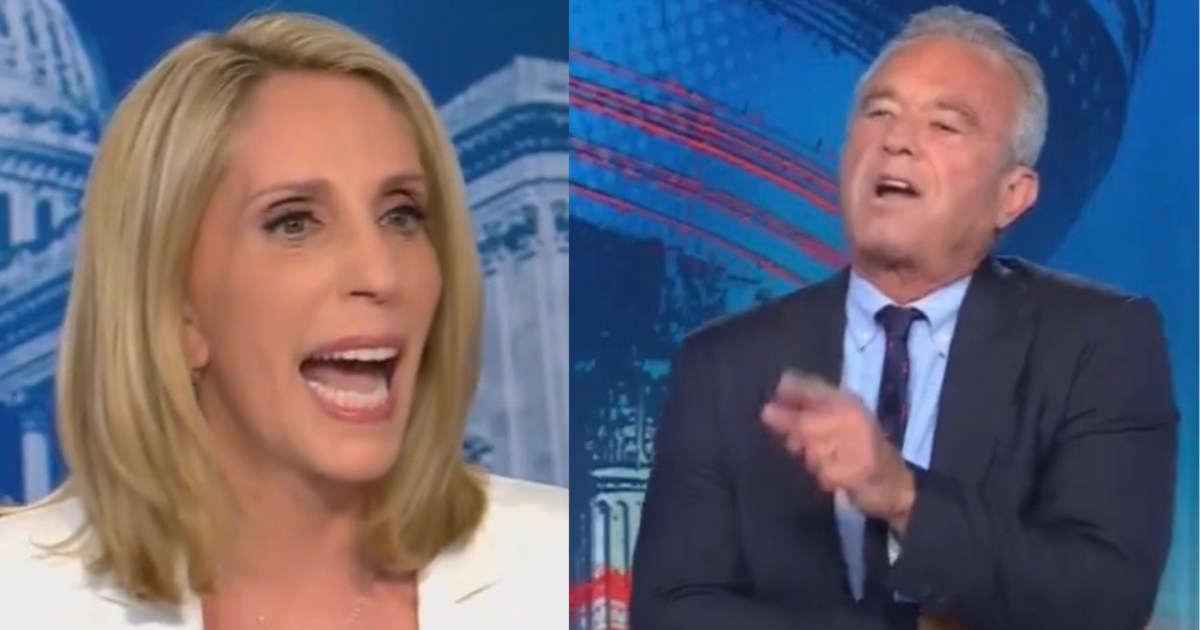
A Sunday Interview Turns Into a COVID Cross-Examination
Health and Human Services Secretary Robert F. Kennedy Jr. appeared on CNN’s State of the Union with Dana Bash on Sunday, and the interview quickly moved from polite cable-news fencing to a full contact argument over COVID policy. Kennedy said the first duty in any future pandemic should be protecting constitutional rights, not treating free speech like a public health hazard. He argued that government officials and media outlets helped silence dissent during the pandemic, then told Bash that reporters should have shown “fierce skepticism toward authority.” That is a fairly basic job description for the press, though it seems to get misplaced whenever the credentialed class starts handing out talking points with a lanyard.
Kennedy Challenges Bash on Children and COVID Vaccines
The exchange grew sharper when Kennedy asked Bash whether she believed the COVID vaccine protected children. Bash responded by saying she had spoken with scientists and doctors, but Kennedy pressed for a specific study showing the vaccine did more good than harm for children. He repeated the challenge more than once, asking her to cite evidence for the claim. Bash pushed back and accused him of spreading or encouraging vaccine disinformation, while Kennedy accused her of relying on claims she could not support in the moment. The clash was less a quiet policy debate and more like watching a committee hearing crash into a morning show, with everyone reaching for the same microphone at once.
Bash Cites Disinformation Claims, Kennedy Demands Receipts
Bash argued that studies had shown vaccine disinformation may have cost American lives, saying 100,000 to 200,000 lives in the United States could have been saved if more people had gotten vaccinated. Kennedy interrupted and asked her to name the study behind that claim. Bash objected and told him to let her finish, while Kennedy replied, “You are saying nonsense,” and again demanded that she cite the research. Bash countered that Kennedy was talking about studies that “don’t exist,” but the core dispute remained the same: she wanted to discuss broad claims about disinformation, and he wanted a specific citation. In Washington, asking for receipts is often treated as a hostile act, which explains a great deal.
The Bigger Fight Over Media Trust
Kennedy also accused CNN of scaring viewers during the pandemic by putting death counts on screen and amplifying official warnings without enough independent scrutiny. Bash said the network was listening to national leaders, including the president at the time, who held daily briefings about the crisis. Kennedy asked whether she had been reading the science herself. Bash said the period was frightening and that people made mistakes, while also saying she was not there to defend every practice from the pandemic response. That admission matters because public trust was not damaged by one argument on television. It was worn down by years of shifting guidance, censorship pressure, official certainty that aged badly, and media institutions that often treated skepticism like a plumbing leak to be sealed before it spread.
WE’D LOVE TO HEAR YOUR THOUGHTS! PLEASE COMMENT BELOW.
Leave a Comment