
CNN Turns to the Masked March
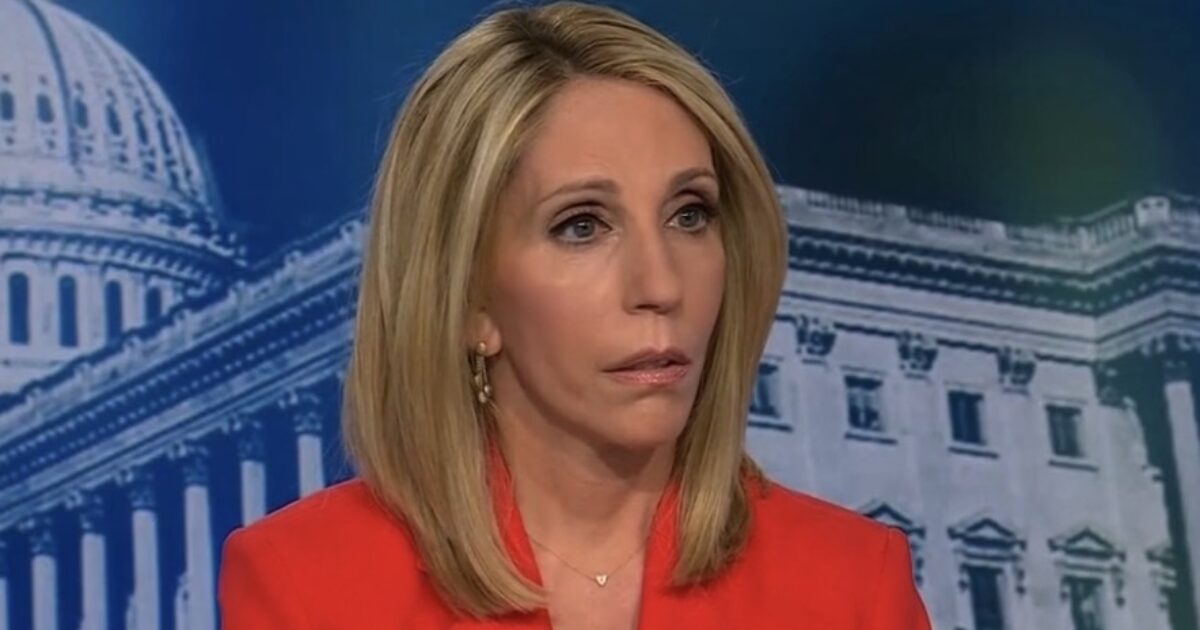
CNN anchor Dana Bash questioned Interior Secretary Doug Burgum after a Saturday Patriot Front demonstration in Washington, D.C. Bash described the group as white nationalist and said several hundred masked men marched near the Capitol with Confederate flags while chanting “Reclaim America.” She also pointed to a widely shared Reuters photo showing a Black woman seated on a D.C. Metro train car surrounded by members of the group. The photo became the kind of media image that can carry a whole week of cable-news oxygen, which is convenient if the graphics department already has the dramatic music warmed up.
Burgum Condemns the Message, Defends the Rule
Bash asked Burgum whether he condemned the group and what it stood for. Burgum said he did not agree with what they stood for, but he framed the issue as a First Amendment question. He said America allows offensive speech because that is part of a free society. That answer did not give CNN the clean sound bite it appeared to want, but it did give viewers a useful reminder: free speech is not a gift handed out only when the speaker is polite, photogenic, and pre-approved by a committee of nervous producers.
The Communist Comparison Enters the Chat
Burgum also widened the point by noting that someone in America can run for office while openly identifying as a communist. He argued that the country has historically stood for life and liberty, while communism has brought death and tyranny across history. That answer shifted the conversation away from one ugly march and toward a broader question: why do some extreme messages trigger instant demands for condemnation, while others are treated as colorful background noise in the great civic parade? Bureaucracy loves categories, but cable news loves selective outrage even more.
Bash Pushes for a Trump Condemnation
Bash then asked whether Burgum, as Interior Secretary, would recommend that President Trump condemn the group and its message. Burgum replied that people are allowed to protest on the National Mall and say things he finds reprehensible about Trump. Bash interrupted by saying, “This is white nationalism.” Burgum answered by pointing to other protest slogans, including “death to Israel” and “death to America,” and said Americans can object to those views while still recognizing they fall under free speech protections. It was not a glamorous answer, but constitutional government rarely arrives wearing sequins.
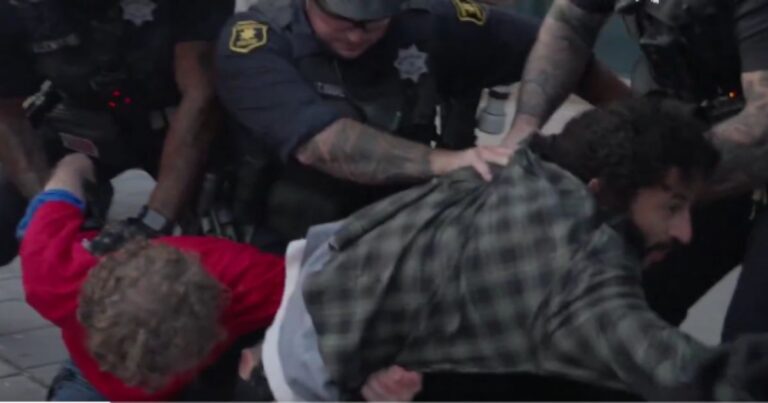
The Video Driving the Debate
The Larger Media Pattern
The exchange shows the familiar pressure game in modern politics. A public figure is asked to condemn one group, then asked to rope in another official, then asked to turn a legal principle into a campaign slogan. Patriot Front’s views are widely rejected across the political spectrum, and Burgum made clear he did not share them. But the harder question is whether speech rights apply even when the speaker is repellent. The answer is yes, or at least it used to be before every controversy needed a booking segment, a panel, and a moral emergency siren.
What Was Actually at Stake
The real issue was not whether decent Americans should admire masked political marches. They should not. The real issue was whether the government gets to punish speech because the message is vile, foolish, or meant to provoke. Burgum’s answer was that citizens can condemn bad ideas without asking the state to become the national hall monitor. That is the messy bargain of the First Amendment. It protects church sermons, protest signs, campaign speeches, bad chants, worse slogans, and yes, the occasional cable-news segment pretending this principle was discovered five minutes ago.
WE’D LOVE TO HEAR YOUR THOUGHTS! PLEASE COMMENT BELOW.
Leave a Comment