
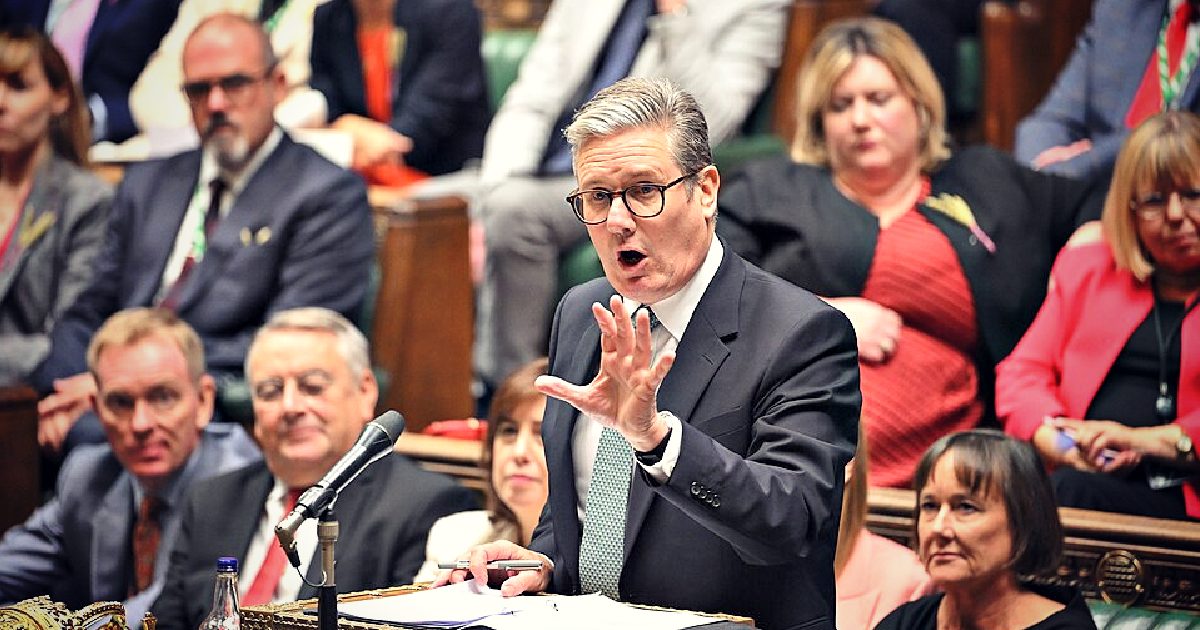
The Commons vote on Starmer
Britain’s Parliament is set for a tense vote on whether Prime Minister Keir Starmer should be referred for an ethics investigation over his handling of the Peter Mandelson vetting scandal. The move centers on claims that he misled MPs about how the appointment was handled. In Westminster, that is not usually treated as a small clerical error, even if the political class often acts like it was a coffee stain on a receipt. The Privileges Committee, the same body that helped bring down Boris Johnson, would be the likely next stop if MPs back the referral. The issue now is less about procedure and more about whether Labour can keep enough members in line to protect its leader from a formal probe.
Labour’s defense looks very familiar
Starmer told Labour MPs the vote was a political stunt timed to hurt the government before local elections. That line is standard issue from modern politics, right up there with “we welcome scrutiny” and “mistakes were made.” According to reporting cited by the BBC and the Telegraph, cabinet ministers have been calling Labour MPs to shore up support, while No 10 has issued a three-line whip to keep backbenchers from breaking ranks. The pressure campaign suggests the leadership sees the vote as a real risk, not just a symbolic embarrassment. Critics, including former Attorney General Sir Michael Ellis, argue that if the prime minister has nothing to hide, then an inquiry should not be a problem. That is the sort of logic governments hate, because it tends to work.
What the rules and timing mean
The Ministerial Code says ministers who knowingly mislead Parliament are expected to resign, while accidental errors should be corrected quickly. That makes the key question simple, at least in theory, which is why politics has spent centuries working hard to muddy it. If MPs vote to refer Starmer, the Privileges Committee could examine whether he broke parliamentary rules in the Mandelson case. If the government blocks the move, it may buy time, but it will also fuel the idea that Westminster protects its own until the public stops looking. The timing matters too, since the vote comes just days before local elections. That gives the whole affair the usual British flavor, where a serious ethics question arrives wrapped in a tactical briefing and a lot of polite outrage.
WE’D LOVE TO HEAR YOUR THOUGHTS! PLEASE COMMENT BELOW.


Leave a Comment