
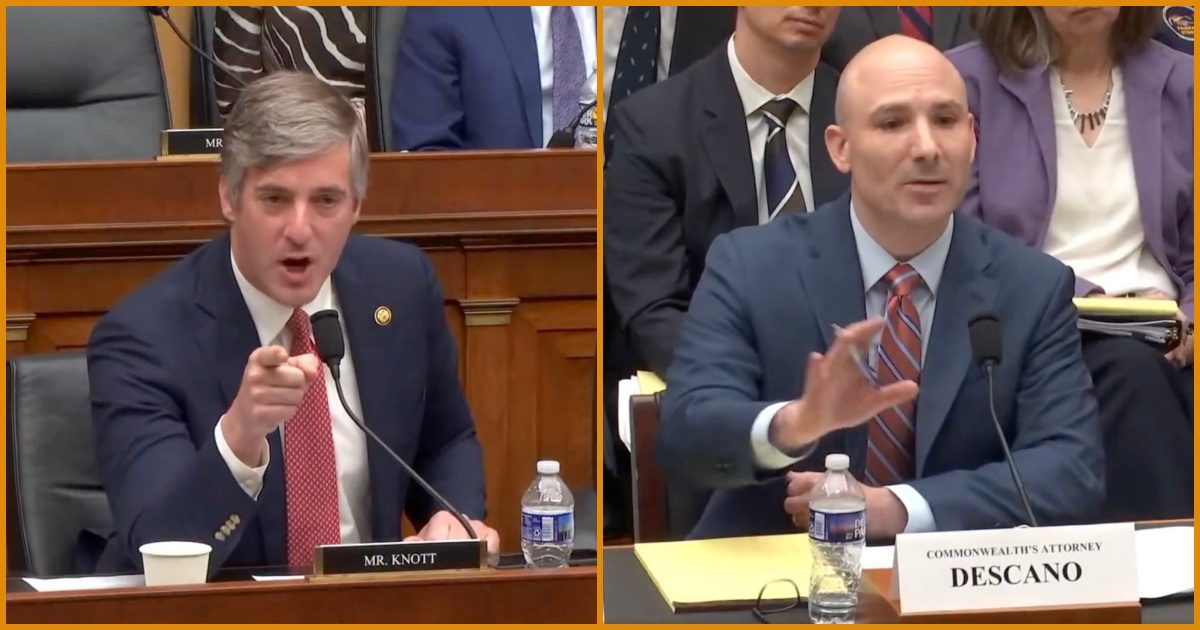
Knott presses Descano on the case
At a House Judiciary Subcommittee hearing on sanctuary policies, Rep. Brad Knott of North Carolina confronted Fairfax County Commonwealth’s Attorney Steve Descano over the handling of a case involving a Honduran national accused of trying to abduct a 4-year-old girl. Knott kept coming back to the same point, which is often the most annoying thing in Washington: the facts do not become softer just because a prosecutor talks louder. The hearing centered on why the case moved toward a plea deal with a short sentence cap, why the court rejected it, and why the case was later dismissed.
The plea deal that did not survive the judge
According to the exchange, Descano’s office offered a plea deal that capped the sentence at two years. The court rejected the deal twice, citing overwhelming evidence and the danger the defendant posed to children. That is a bad sign for any office, because when even a judge says the deal is too weak, it usually means the public relations department has run ahead of public safety. After the plea was rejected, the case was dismissed, and the defendant later came into ICE custody. The result was predictable in the worst possible way: a serious case, a light offer, and a lot of questions left on the table.
What the broader policy fight is really about
The hearing was not just about one case. It was about a pattern that critics say shows how sanctuary politics can bend a justice system toward caution in all the wrong places. Fox News previously reported that the child’s mother woke up to find her daughter crying and a window open, and later said the family saw signs of trauma afterward. Whether officials call it discretion, reform, or compassion, the public still expects child-safety cases to be treated like child-safety cases. Instead, too often, the system behaves as if the main goal is to avoid embarrassment, which is a strange way to run a prosecutor’s office.
WE’D LOVE TO HEAR YOUR THOUGHTS! PLEASE COMMENT BELOW.

Leave a Comment