
A coordinated assault hit Mali from the capital to the north
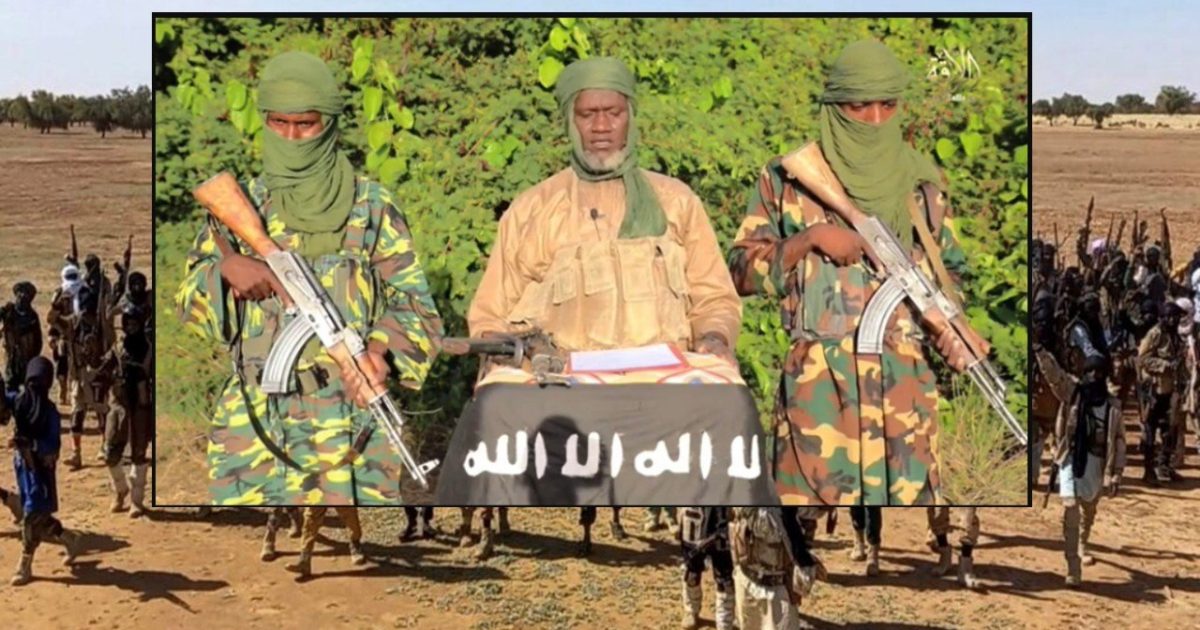
On April 25, Mali suffered the largest coordinated jihadist attack in its history. Fighters linked to the al-Qaeda affiliate Jama’at Nusrat al-Islam wal-Muslimin, or JNIM, and the Tuareg separatist Azawad Liberation Front struck across a wide arc of the country, from Bamako and Kati to Sevare, Mopti, Gao, and Kidal. Near Kati, blasts and gunfire were reported before sunrise close to the main military base and the home of junta leader Gen. Assimi Goita. A suicide attacker also drove an explosives-laden vehicle into the residence of Defense Minister Sadio Camara. He later died of his injuries, and his wife and two grandchildren were also killed. It was a grim reminder that even the high walls and official titles cannot stop a determined collapse.
The Russia partnership is looking less like a fix and more like a patch
Camara was one of the main drivers of Mali’s pivot toward Russia. He helped push out the UN mission, brought in Wagner forces, and publicly tied the junta’s survival to Moscow’s support. That strategy now looks thin. Reports said Malian troops and Russia’s Africa Corps pulled back from several northern positions, including Kidal, Aguelhok, Tessalit, Tessit, and Ber. Kidal had been recaptured in 2023 with Russian help and was sold as proof that the new security model worked. Its loss does the opposite. It suggests that the junta’s foreign backer can supply headlines, but not stable control over territory the size of a small continent.
Fuel blockades, drone strikes, and long planning pushed the offensive forward
The attack did not happen in a vacuum. Since late 2025, JNIM has pressed Mali by attacking fuel convoys, blocking supply routes from Senegal and Ivory Coast, and creating shortages that hit soldiers and civilians alike. The group has also stepped up drone attacks, showing more tactical skill than many state armies would like to admit. On March 22, the junta made a hostage deal with JNIM that included a pause in fuel convoy attacks through at least the end of May, which makes the timing of the April offensive awkward in the way only state bargaining can be awkward. Rebels also used drones to strike a Russian-Malian camp on March 31. By the time the April attack began, the pressure had already been building for months.
A divided battlefield leaves the army stretched and exposed
Another troubling sign came from the northeast town of Menaka, where fighters from the Islamic State Sahel Province entered near the Niger border while Malian soldiers withdrew to a nearby camp. JNIM and ISSP have fought each other since 2019, and those clashes have killed more than 2,100 people, according to ACLED. That means Mali is not dealing with one insurgency but several armed networks competing, adapting, and expanding at the same time. Gen. Goita did not appear publicly until four days after the attacks, when his office released photos of him meeting Russia’s ambassador. He then declared the situation under control. That is the sort of line governments use when the map disagrees. Independent researchers say the army is fragmented, with commanders negotiating separately for their own men rather than acting under a single chain of command.
JNIM appears to be building influence, not just chasing victory
JNIM spokesman Bina Diarra said the attacks were retaliation and claimed Bamako was closed off from all sides. The group also already behaves like a government in the areas it controls. It imposes its version of sharia, collects taxes, dispenses justice, and bans secular music, alcohol, and uncovered women. That is not normal governance, but it is governance of a kind, which is one more reason these insurgents are dangerous. Analysts say JNIM may be following a model similar to Syria’s Hayat Tahrir al-Sham, using force now while positioning itself for a seat at the table later. The Africa Center for Strategic Studies says the insurgent threat now exceeds the Malian military’s ability to contain it and could spread toward coastal West African states. The bureaucratic answer to that kind of warning is usually another committee. The battlefield tends to prefer a different plan.
WE’D LOVE TO HEAR YOUR THOUGHTS! PLEASE COMMENT BELOW.



Leave a Comment