
Forty-Six Border Computers Were Modified
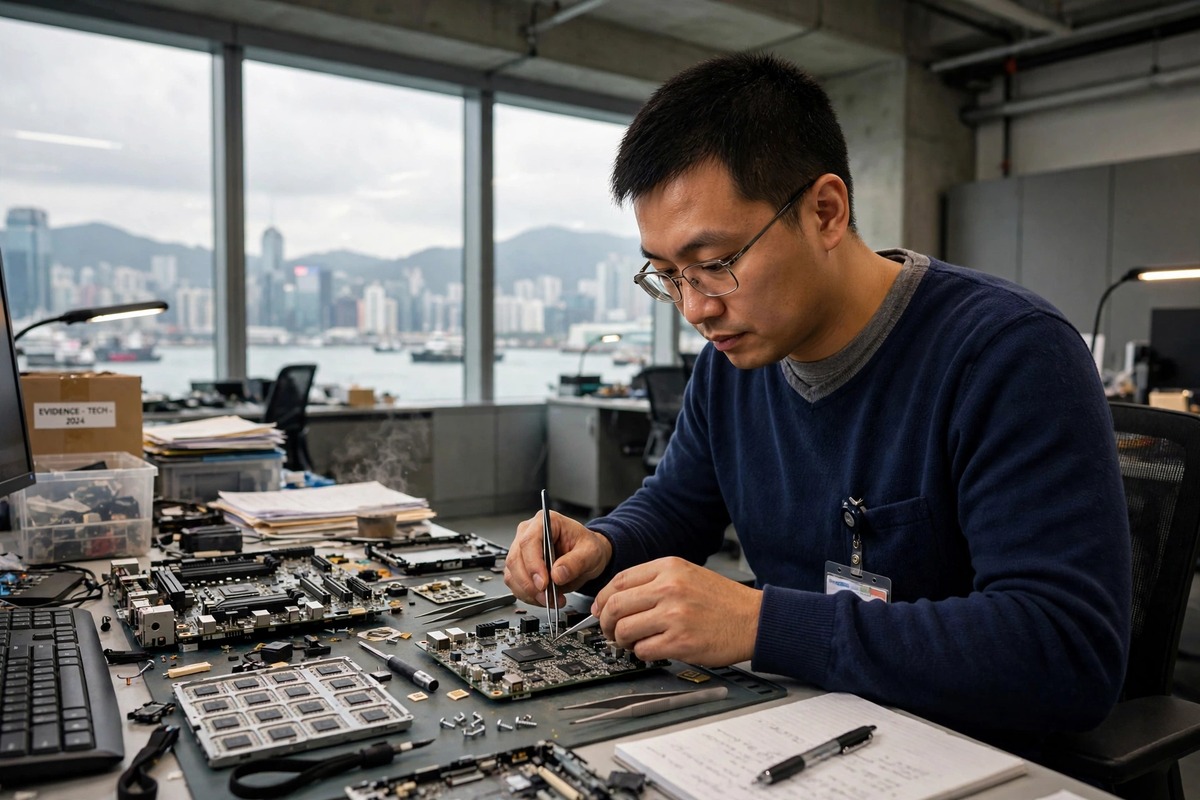
A Customs and Border Protection supervisor assigned to the Maine-Canada border was arrested and charged after FBI agents said he was caught taking apart government computers, removing processors and memory, installing cheaper parts, and reconnecting the machines to CBP’s network. Terry “Jiajia” Liu, 39, of Calais, Maine, described himself as a native of Guangzhou, China. He worked at the Calais Port of Entry, with duties extending to the Ferry Point and Milltown crossings. An FBI affidavit says CBP IT staff discovered unauthorized changes at all three facilities in late 2025. The count reached 46 machines: 38 in Calais, six at Ferry Point, and two at Milltown. Investigators said 39 CPUs, six RAM modules, and eight hard drives had been changed. Original equipment included 14th-generation Intel Core i7 processors. Replacements included older Pentium-class chips that did not meet CBP specifications. The report also notes that CBP officers must be U.S. citizens, but it does not explain Liu’s citizenship or clearance history.
Hidden Cameras Captured the Alleged Swaps
Port Director Theodore Cummings had already told Liu in writing in March 2025, “Please do not move any computers or computer parts.” That warning apparently did not settle the matter, so investigators installed hidden cameras. During an overnight shift in January, footage reportedly showed Liu carrying computers into a training room, removing side panels, pulling processors, scraping off thermal paste, installing replacements, and reconnecting the machines to monitors, keyboards, and network cables. One camera appeared to show him logging in with his government ID. Another later captured him removing a memory module and placing it in a desk drawer. This was not a mysterious software glitch. It was alleged hands-on tinkering after a written instruction to leave the hardware alone.
Parts Went to a Trade-In Program
On September 9, Liu admitted to the FBI that he used CBP parts in Newegg’s trade-in program for store credit, according to the affidavit. He first said he wanted to make the computers “more efficient.” He later said he was angry about how long CBP repairs took. The affidavit says he knew the swaps reduced performance, a point also reported by the Press Herald. Newegg records showed repeated trade-ins of 14th-generation Intel i7 processors matching missing government parts, worth about $200 each. CBP estimates it would cost more than $20,000 to restore the proper parts and more than $105,000 to replace all 46 computers. Calling that an upgrade would be generous. It sounds more like a hardware swap, a resale program, and a government bill arriving together.
Charges Leave Bigger Security Questions
Liu is charged with theft of government property and destruction of government property. Each count carries up to 10 years in federal prison. Prosecutors want him detained, citing international travel, financial resources, foreign connections, and a home close enough to Canada that an ankle monitor might not prevent him from leaving the country. A Washington County source told The Maine Wire that Liu was arrested at Bangor International Airport while trying to fly to China, and that his Calais property was raided Thursday. Court records have not independently confirmed every detail of the airport stop. The case leaves basic questions for CBP management: Who hired and cleared him? Why did he have after-hours access to these machines? Why did it take months and hidden cameras after a written order said not to move them?
WE’D LOVE TO HEAR YOUR THOUGHTS! PLEASE COMMENT BELOW.


Leave a Comment