
CNBC’s Quality-of-Life List Raises Eyebrows
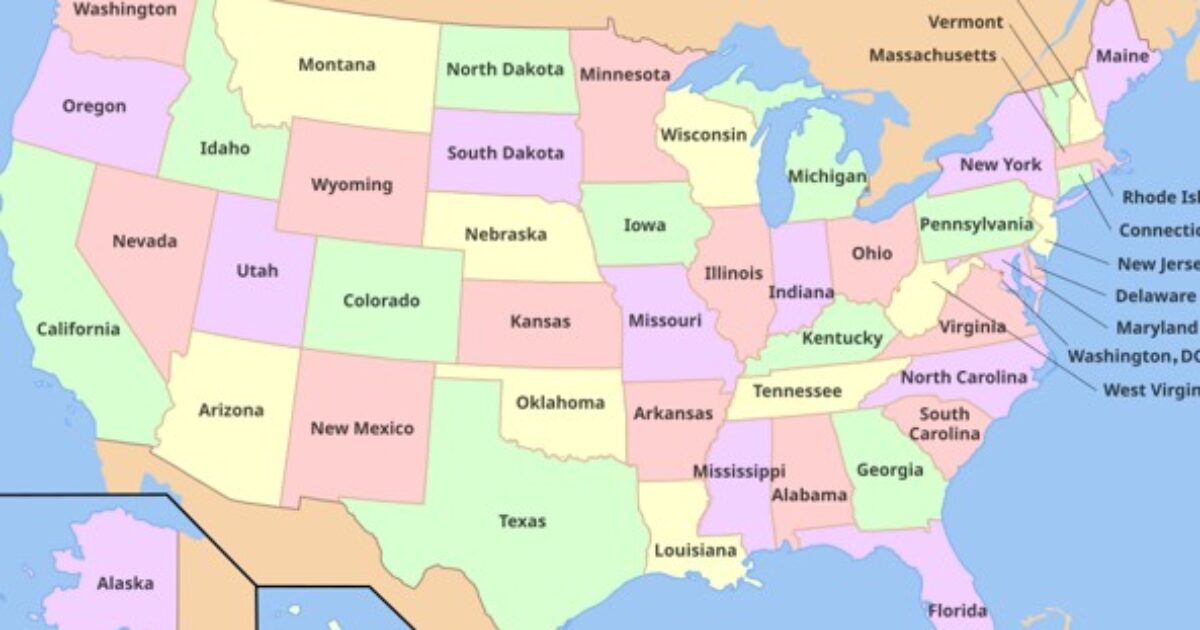
CNBC has released its list of the 10 worst states to live in for 2026, and the ranking landed about as quietly as a bowling ball in a library. The outlet, through reporter Scott Cohn, said it scored all 50 states using data on crime rates, air quality, health care, child care cost and availability, inclusiveness of state laws, and reproductive rights. That mix produced a bottom ten of Tennessee, Texas, Indiana, Louisiana, Georgia, Utah, Missouri, Alabama, Oklahoma, and Arkansas. Whatever one thinks of the formula, it is clear the recipe includes more than potholes and paychecks. It also measures culture-war policy choices, because apparently “quality of life” now comes with a committee-approved moral checklist.
The Political Pattern Is Not Hard to Spot
All 10 states on CNBC’s worst list voted for President Trump in 2024, which is the kind of coincidence that tends to make people check the fine print. The list quickly drew fire online from critics who argued that CNBC’s standards appear to punish conservative states for having conservative laws. That does not mean every state on the list is perfect. No state is. Anyone who has dealt with a DMV knows civilization remains a work in progress. But when the whole bottom tier lines up neatly with one political side, readers are allowed to wonder whether the spreadsheet came with a thumb resting gently on the scale.
Migration Data Complicates the Story
The sharpest pushback centers on where Americans are actually choosing to live. The source article notes that every state on CNBC’s list except Missouri saw more Americans move in than move out, while blue states such as California, New York, Massachusetts, and Illinois have seen residents leave in large numbers in recent years. That matters because people vote with moving trucks when taxes, housing costs, crime worries, schools, jobs, and regulation become daily problems instead of debate-club topics. CNBC may rank a state low because of its laws on abortion or inclusiveness, but families often rank states by whether they can buy a house, start a business, and keep more of what they earn. Fancy metrics are nice. A U-Haul receipt is also data.
The Bigger Question Is What Counts
The dispute is less about whether Tennessee or Texas has problems and more about who gets to define “best” and “worst.” Corporate media rankings often turn policy preferences into scientific-looking grades, then act surprised when readers notice the politics wearing a lab coat. If a state has cleaner air but crushing housing costs, is it better? If another state has looser business rules but fewer progressive legal protections, is it worse? Those are real trade-offs, not commandments handed down from Mount Spreadsheet. The funny part, if taxpayers can still afford humor, is that many people fleeing expensive blue states are heading straight for the places CNBC says are terrible. Perhaps the ranking will slow the traffic. Red-state residents may consider that the first useful public service CNBC has provided in some time.
WE’D LOVE TO HEAR YOUR THOUGHTS! PLEASE COMMENT BELOW.


Leave a Comment