Sen. John Kennedy has a message for Republicans tempted to shrug off the 2026 midterms: Stop treating a serious defeat like another predictable entry in the Washington calendar. Historical precedent might explain losing seats. In his assessment, it does not explain away the size of this loss.
According to The Gateway Pundit, the Louisiana Republican delivered his assessment Wednesday after Democrats won control of both the House and Senate. His language was not exactly designed for a leadership retreat featuring reassuring PowerPoint slides.
“This was not a normal midterm election,” Kennedy said. “If you have concluded otherwise, congratulations, you’re stupid.”
Subtle? Not remotely. But Kennedy’s argument was more specific than simply being angry that Republicans lost. He acknowledged the familiar historical pattern: The party holding the presidency often loses congressional seats during midterm elections, sometimes surrendering control of one or both chambers.
He cited 1998 and 2002 as exceptions to that pattern. His point was that recognizing the historical headwind should be the beginning of the discussion, not an excuse to end it.
“So, to the extent that the Republicans have lost control of Congress, historically, that’s not abnormal. It was the size of the loss,” he explained.
Kennedy described a typical swing as about seven and characterized this election’s swing as 13%, arguing that the difference made the results anything but routine. The distinction matters to his criticism: Losing Congress and suffering an unusually large reversal are not interchangeable explanations, no matter how convenient that might be for party leadership.
The Gateway Pundit also connected Kennedy’s remarks to analyses it had previously published about the results. One claimed Republicans retained roughly 85% of President Trump’s 2024 share across Senate and gubernatorial races, with a consistency across states that the analysis characterized as historically improbable.
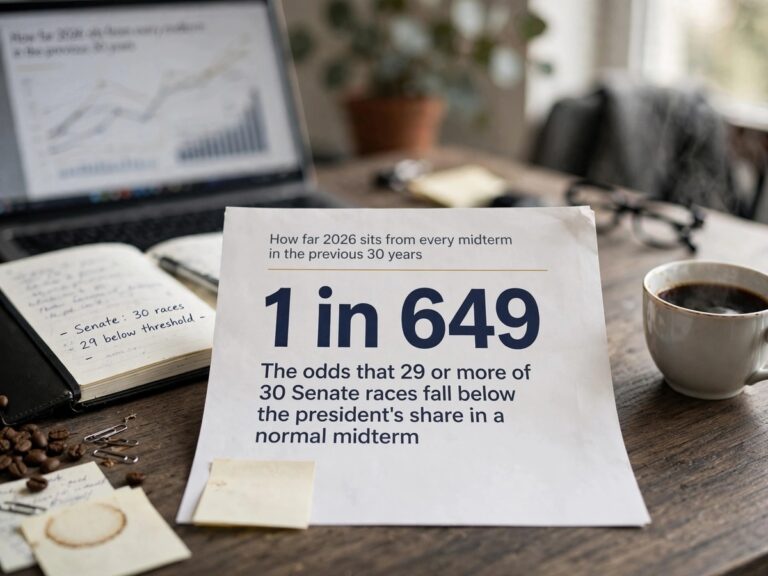
The outlet further cited reporting that Democratic Senate candidates in traditionally Republican states received more raw votes than Kamala Harris received in those states in 2024. Another analysis cited by the outlet put the odds of Democrats winning 29 of 30 contested Senate races at roughly 1 in 5,510.
Those probability claims belong to the analyses the outlet described; they are separate from Kennedy’s quoted argument about the scale of Republican losses. The report also referenced voting-equipment issues, adjudication anomalies, and other reported irregularities, without detailing those examinations in this article.
Kennedy’s political challenge to his own party was straightforward enough: Republicans should confront the magnitude of the defeat rather than reach for the comforting explanation that midterms are always tough. Accountability is not supposed to disappear just because the people answering the questions have an R beside their names.