
Why Mahdism Matters
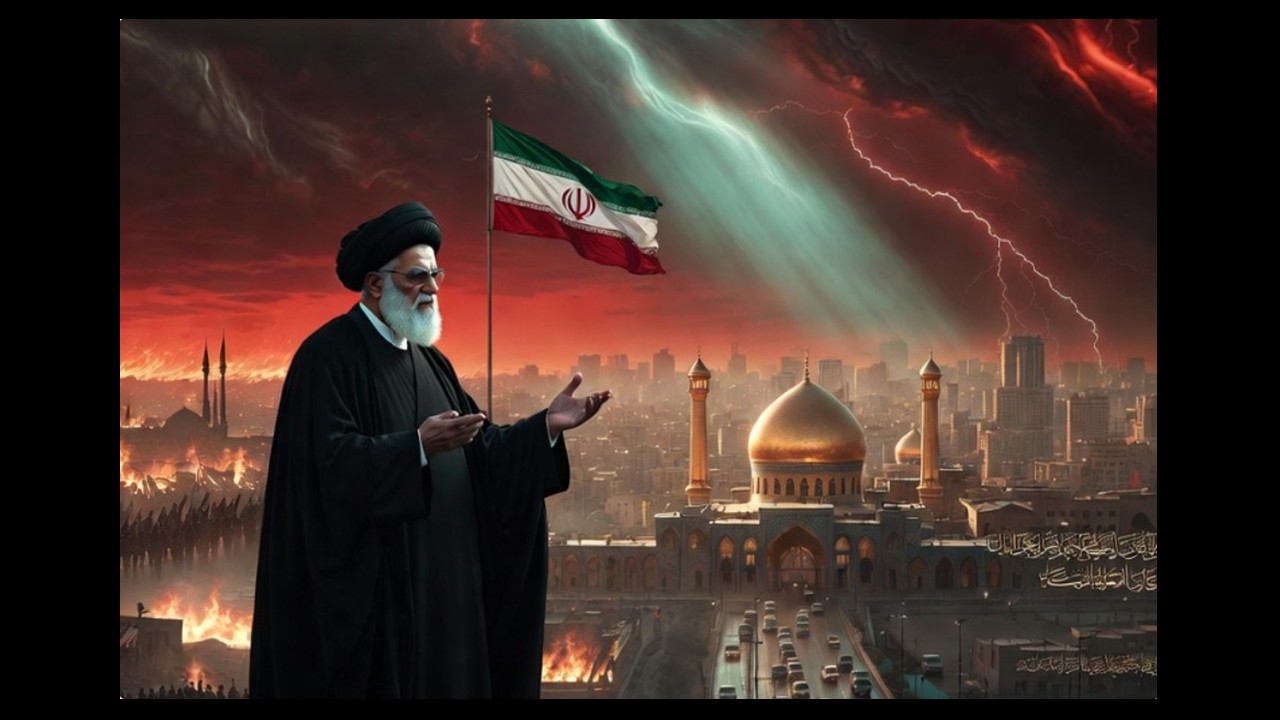
Most outsiders explain Iran through the usual Shia-Sunni split. That matters, but it does not explain the whole machine. The Islamic Republic has tied state power to Mahdism, the belief that the Hidden Imam, or Mahdi, will one day return to defeat evil. In mainstream Twelver Shiism, that belief was long tied to waiting and restraint. In Tehran, it was turned into a political engine. Once prophecy becomes part of the state, even ordinary policy starts to sound like a holy command, which is a lovely way to turn a government into a sermon with border guards.
Khomeini Broke the Old Rules
Ayatollah Ruhollah Khomeini changed the old clerical playbook after the 1979 revolution. His theory of velayat-e faqih gave senior jurists direct political authority during the Imam’s occultation, a sharp break from the older view that rulers should not claim divine backing. Khomeini said the state should prepare the ground for the Mahdi’s return and that the supreme cleric should guide that effort. Many traditional Shia scholars rejected the idea as an overreach dressed up as piety. Bureaucracies tend to love grand theories, especially when the theory says obedience is sacred and dissent is impolite.
When Theology Meets Power
Once the state adopted that framework, it did what states always do. It funded it, stamped it, and taught it through official channels. Iran’s constitution gives the Revolutionary Guard a special ideological role, not just a military one. The IRGC is expected to defend the revolution and export it abroad, which means religion is not only a matter of belief but also a tool for discipline and control. In practice, dissent becomes disloyalty, and foreign policy starts to look like a checklist for the end of history.
Ahmadinejad Turned Up the Volume
Mahdism grew louder under President Mahmoud Ahmadinejad, who leaned hard into end-times language and shrine politics. His government directed money toward the Jamkaran Mosque, a site linked in popular belief to the Hidden Imam, and made room for ideological preachers who fused politics with prophecy. The message was plain enough. The regime was not just running Iran. It was helping prepare the world for a cosmic event. That is quite a sales pitch for a government that still has to deal with traffic, inflation, and the small matter of public unrest.
Why the IRGC Still Matters
The Revolutionary Guard is the key institution in all this. It has grown into a parallel state with business networks, intelligence arms, media outlets, and ideological schools. Its worldview rejects the nation-state model and divides the world into believers and enemies. That helps explain why hostility toward the United States and Israel is often framed inside the regime as a religious duty, not just a strategic choice. In that frame, compromise looks less like diplomacy and more like surrender, only with better stationery.
A Doctrine That Shapes Behavior
The important question is not whether every official believes the same thing. They do not. The real question is what this creed does in practice. It helps explain why the regime pours energy into indoctrination, proxy forces, martyrdom rhetoric, and long-term confrontation. A system that believes history is headed toward a divinely guided climax is less likely to settle down, because restraint can be sold as betrayal. That kind of story gives the state a moral shield, which is very handy when the usual excuses run thin.
WE’D LOVE TO HEAR YOUR THOUGHTS! PLEASE COMMENT BELOW.
Leave a Comment