
The phantom worker problem
A new fight over the Optional Practical Training program started with a messy discovery: federal investigators say they found more than 10,000 foreign students tied to suspect employers, including cases where the workers never actually showed up at the job sites they claimed. That is the kind of finding that makes Washington act shocked, as if programs built with loose rules and weak checks are not naturally attractive to fraud. The program lets international students on F-1 visas work in jobs related to their studies, but critics say it has grown into a large guest worker pipeline with very little discipline. Once the numbers got big, the abuses got bigger too.
The tax break that tilted the board
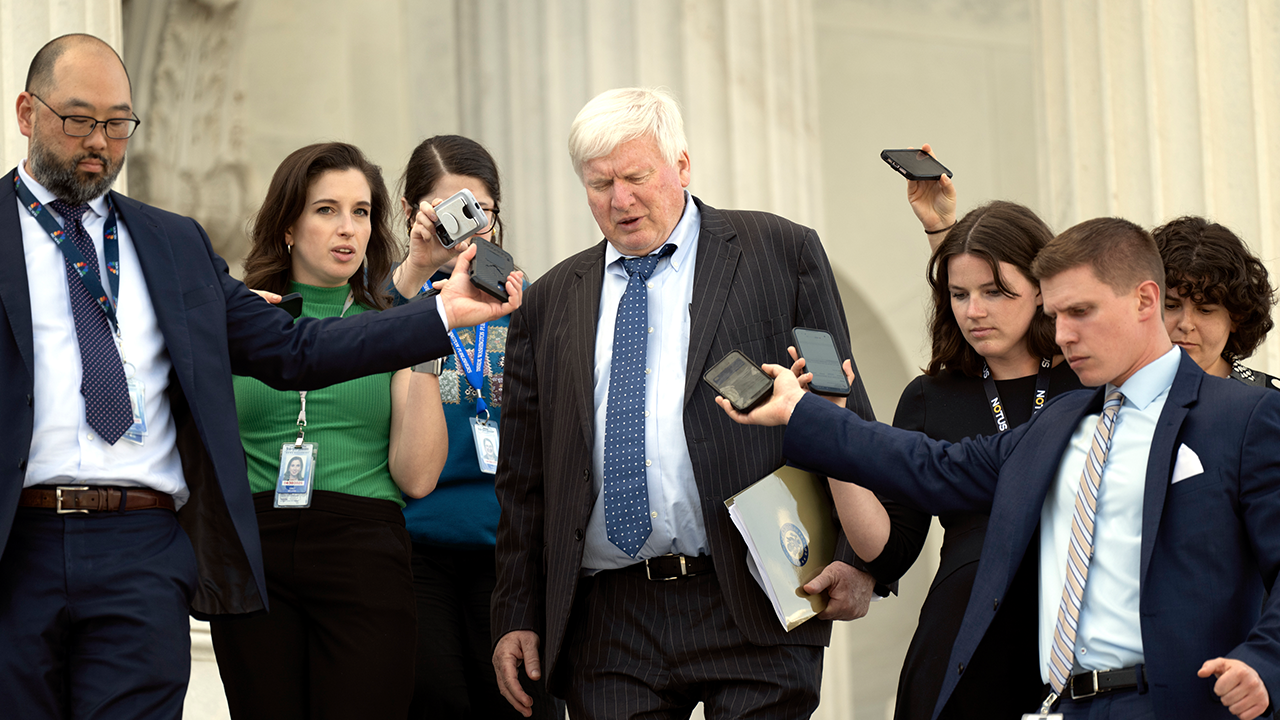
At the center of the fight is a tax break. Under current law, employers do not have to pay Social Security and Medicare payroll taxes for workers in OPT, while they do pay those taxes for American hires. That creates a clear financial nudge, and corporate HR departments rarely miss a nudge when it saves money. Rep. Glenn Grothman of Wisconsin says that is backwards and that Washington should not hand companies an incentive to choose foreign workers over qualified Americans. His bill, the OPT Fair Tax Act, would require the same payroll taxes for OPT workers that apply to domestic workers. The goal is simple enough, which is why it probably took a scandal to make it news.
Republicans push for a level field
Grothman’s bill is the House version of a Senate measure from Sen. Tom Cotton of Arkansas. Both argue that young Americans should not have to compete against a system that quietly rewards employers for looking elsewhere. The congressman points to federal data and outside estimates showing the scale is not small. A study cited by Grothman found that about 330,000 students participated in OPT each year on average from fiscal years 2017 through 2022, and that ending the tax exemption could raise between $27 billion and $36 billion over 10 years. That is a large pile of money for a program that is supposed to be about training, not about giving employers a bargain rate on labor.
Fraud findings sharpen the pressure
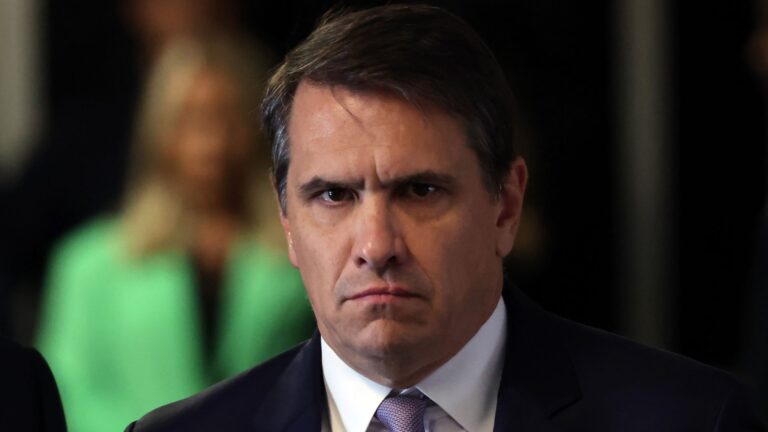
Acting ICE Director Todd Lyons says investigators found “phantom employees,” meaning students who had work authorization but never actually worked where they said they did. He said the fraud was only the “tip of the iceberg,” which is the usual phrase government uses when a program is so messy that even its defenders start studying the floor. Lyons also said the program has “ballooned into an uncontrolled guest worker pipeline,” a line that would sound dramatic if the underlying facts were not already doing the heavy lifting. Grothman says Congress should focus on American workers, restore basic integrity, and stop creating incentives for companies to bypass U.S. talent. For once, that sounds less like a slogan and more like a job description.
WE’D LOVE TO HEAR YOUR THOUGHTS! PLEASE COMMENT BELOW.

Leave a Comment