
A claim beneath the mound
An international team has released a preliminary report on its work at the Durupınar formation near Mount Ararat, a boat-shaped site some believe could be Noah’s Ark. Noah’s Ark Scans, a private research group partnered with Sivas Cumhuriyet University, says radar detected an object beneath the mound that appears organized and man-made. The group says the scans show corridors, chambers, and hallways rather than a simple natural rock formation. The wording matters. This is an interpretation from an ongoing investigation, not a confirmed identification of the biblical vessel. Still, a buried structure with that kind of layout would be difficult to ignore, especially for people who already see the site through the lens of Scripture.
A veteran engineer sees an unusual signature
The radar work was conducted by Dr. Khosrow Bakhtar, an engineer who spent decades building detection systems for U.S. defense agencies, including the Air Force, Navy, and NORAD. In a statement to The Daily Mail, Bakhtar said he had “never seen anything like this” in 40 years of work. He said the object could be a ship or even a spaceship, while stressing that the radar showed something organized and structural. Bakhtar also said a solid geological mass would not normally return such a strong signature. His description is striking, but radar does not come with a built-in label maker. It can point researchers toward a buried feature, while physical testing must determine what that feature actually is.
Drilling reached a hard layer
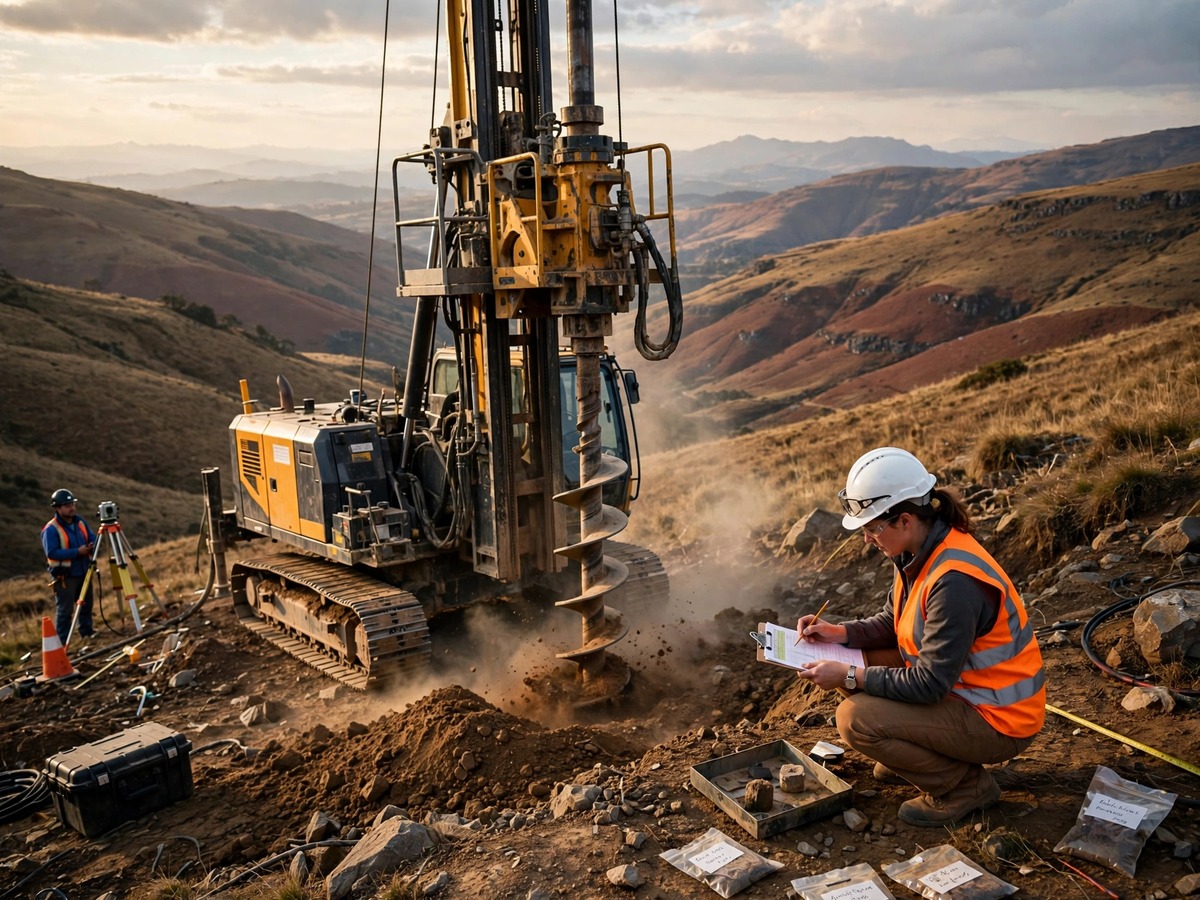
The group previously announced that permitted core drilling had begun both inside and outside the outline of the possible vessel. Noah’s Ark Scans described the work as the first deep, dry, permitted core program in the site’s recorded history. One hole inside the area that would represent the hull stopped when the drill bit broke on a layer harder than limestone. The report notes that petrified wood is typically harder than limestone. That may sound like a clue, but it does not prove the material was petrified wood, much less prove the presence of Noah’s Ark. A broken drill bit shows resistance. It does not arrive with a name tag attached.
Why believers are watching
Durupınar is a 157-meter, or 515-foot, boat-shaped mound first spotted in 1959 by Turkish Army Capt. İlhan Durupınar. Some researchers and believers regard it as a possible resting place for the Ark described in the biblical account of the Great Flood. The new radar report could strengthen that belief if later testing supports the group’s interpretation. For now, however, the findings remain preliminary. Faith and laboratory evidence are different things, and even the most hopeful discovery still has to survive the slow, unglamorous process of verification.
The next test is more concrete
The full radar scan is expected to be completed by November 2026, with additional laboratory results to follow. According to the report, the next step will include testing for animal DNA inside the structure. Such testing would not automatically settle every question about the site, but it could provide more tangible evidence than radar images alone. Until those results arrive, the Durupınar formation remains an intriguing claim under investigation, with researchers trying to determine whether the shape beneath the ground is natural, man-made, or something far more remarkable.
WE’D LOVE TO HEAR YOUR THOUGHTS! PLEASE COMMENT BELOW.

Leave a Comment