
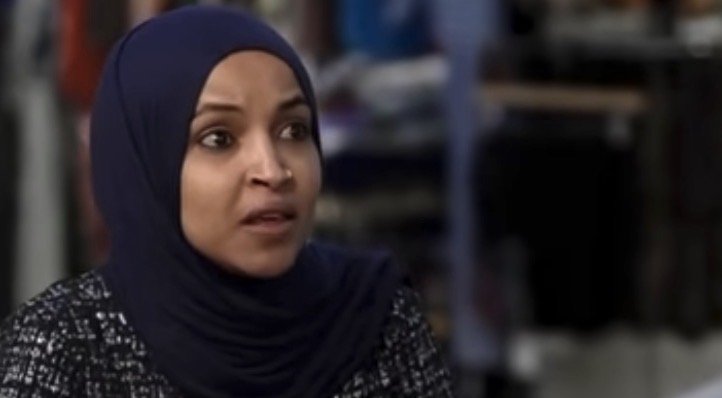
A jailhouse voice enters the fight
The Feeding Our Future scandal is not done producing new headlines, which is a little rich for a case that already had enough drama to fill a few committee rooms and a dozen press releases. In a jailhouse interview with the New York Post, founder Aimee Bock said she struggled to believe Rep. Ilhan Omar did not know about the alleged fraud. Bock, who was convicted in March 2025 on conspiracy, bribery, and wire fraud charges, said Omar’s office was involved in efforts that helped keep key waivers in place. That claim is not proof by itself, but it does add more fuel to a case that has already burned through a lot of public trust.
How the waiver system opened the door
The fraud centered on federal child nutrition money during the pandemic, when emergency waivers loosened normal rules. Those waivers dropped site inspections and let restaurants and other non-school groups join the program. In plain English, the guardrails got thinner just as the money got faster. Omar introduced the MEALS Act in March 2020, which gave the USDA authority to issue those waivers. Bock says there were gaps when waivers expired and were renewed later, and that those gaps were bridged so billing could continue. This is where bureaucratic improvisation meets big money, which is rarely a wholesome combination.
Records, videos, and a lot of bad questions
Bock said Omar’s name appears at least six times in emails and texts used as evidence at trial. She also said many site operators came from the same Somali community and had direct contact with Omar’s office. Omar herself filmed a promotional video in May 2020 at Safari Restaurant in Minneapolis, one of the key sites in the case, where she said it was serving 2,300 meals a day. By July, the site was claiming 5,000 meals daily. Safari co-owner Salim Said has since been convicted of defrauding the government of $16 million, the largest single amount in the scheme. The Minnesota House Fraud Prevention and State Agency Oversight Committee later said Omar, Gov. Tim Walz, and Attorney General Keith Ellison played critical roles in creating and enabling the fraud, and asked for Omar’s communications to be subpoenaed. Meanwhile, one state email response said it “takes no position if fraud has taken place,” which is one way to describe a watchdog with its eyes closed.
Omar denies knowledge as the case keeps widening
Omar has denied any personal knowledge of the scheme, and her office has not responded to requests for comment from the Post or other outlets. Bock, for her part, faces a possible 100-year sentence and says she is being made the lone villain because she was the only non-Somali and non-Somali-speaking defendant among roughly 80 to 90 people charged. That may be her defense, but it also shows how wide the mess became. When a fraud case stretches from federal waivers to state agencies to community networks and then lands in the lap of elected officials, the public is left with the same old question: who was watching the money, and who thought someone else was doing it?
WE’D LOVE TO HEAR YOUR THOUGHTS! PLEASE COMMENT BELOW.

Leave a Comment