
A U-Haul, a FOIA fight, and a mountain of paper
A new report says a volunteer election-records project has reviewed more than 155,000 Detroit absentee ballot envelopes from the 2020 election and found over 26,000 absentee ballots it claims were unlawfully counted. The records came through Yehuda Miller, who reportedly won a FOIA lawsuit after Detroit and Wayne County first rejected his request for 2020 election documents. By the time he met the reporter in Detroit in September 2025, Miller had a rented U-Haul filled with nearly 1 million copied election records, including absentee applications, envelopes, ballots, poll books, precinct tapes, and scanned files. Nothing says “smooth election administration” quite like needing a moving truck and a lawsuit to inspect public records.
What Michigan rules required in 2020
The report points to Michigan absentee voting rules in place for 2020, including instructions that voters had to place ballots in a return envelope, seal it, sign it, and date it. The instruction quoted in the report says the voter’s signature “must appear on the return envelope or the ballot will not be counted.” The envelope also could include a clerk’s time-and-date stamp, a precinct number, an absentee counting board number, and a ballot number. The key claim is simple: if the envelope is missing, the signature and ballot number check are missing too. That means no normal verification and no clean chain of custody. Bureaucrats do love paperwork, right up until the paperwork becomes evidence.
How the volunteer review was done
The review was organized through Check My Vote, with Phani Mantravadi credited for uploading and sorting the records so volunteers could enter envelope data into searchable fields. According to the report, more than 100 trained volunteers worked on the project, matching each envelope image to voter information from Detroit’s November and December 2020 Qualified Voter Files. Each envelope was said to be reviewed two to four times for accuracy. The project began in December 2025 and was completed on July 9, 2026. That timeline matters because this is not a same-day social media hot take dressed up in a lab coat. It is a long audit-style review by private citizens using public records, which should make officials either very interested or suddenly very busy.
The claim at the center of it
The central allegation is that after examining more than 155,000 absentee envelopes, the reviewers identified more than 26,000 absentee ballots in Detroit’s 2020 election that they say were counted unlawfully. The report says those findings will be made public before being turned over to authorities, arguing that official investigations can take years and often happen out of public view. That is a fair concern, though it cuts both ways. Public evidence is useful, but public claims still need verification. The serious question now is whether election officials, courts, or investigators can confirm the review’s matches, the missing or defective envelope issues, and whether those ballots were actually counted in violation of Michigan law.
The video receipt still making the rounds
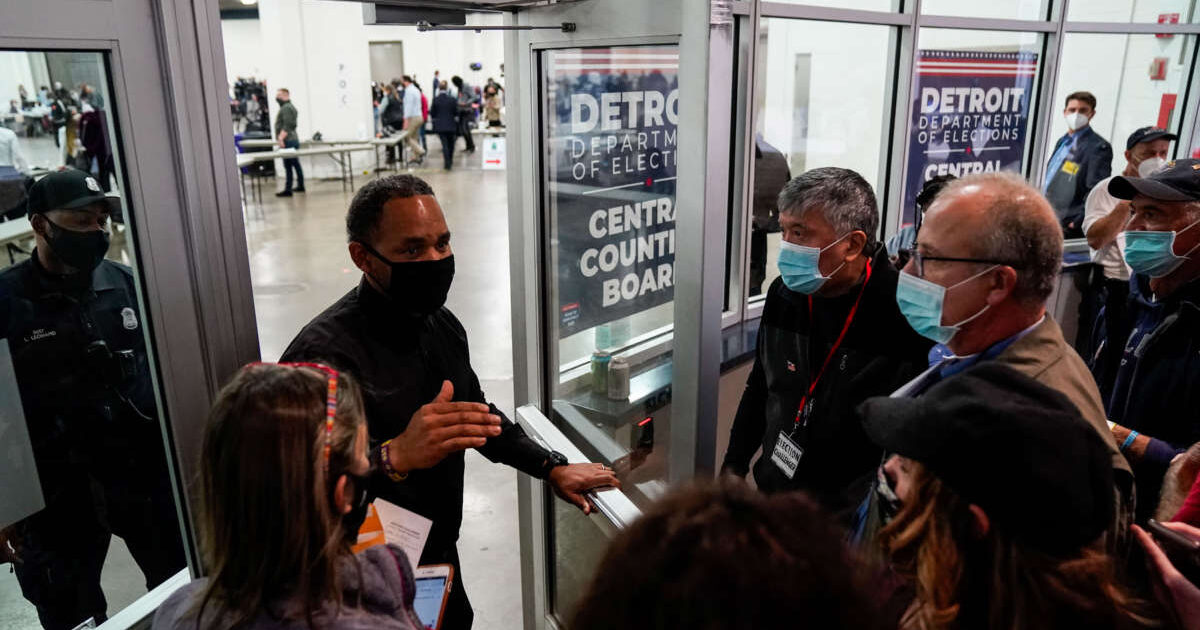
The report also references the wider public concern around Detroit’s 2020 absentee ballot processing, including footage and commentary that circulated after Election Day. One such embedded post is included below. Video clips can raise good questions, but they do not answer every legal one. That is why the envelope records matter more than the noise. A clip can show confusion. A document trail can show whether the system followed its own rules, which is supposedly the whole point of having rules instead of vibes with staplers.
What still has to be proven
This report is best understood as a documented allegation, not a final legal finding. The names, envelopes, voter file matches, ballot numbers, signatures, dates, and counting records all need outside review. If the claim is wrong, officials should be able to show why, clearly and publicly. If the claim is right, then Detroit’s 2020 absentee process had a failure big enough to deserve more than a shrug and a press release. Either way, public election records should not require a lawsuit, a U-Haul, and a volunteer army to inspect. But then again, if government transparency were easy, half the consultant class would have to learn a trade.
WE’D LOVE TO HEAR YOUR THOUGHTS! PLEASE COMMENT BELOW.



Leave a Comment