
Not Just About Airstrikes
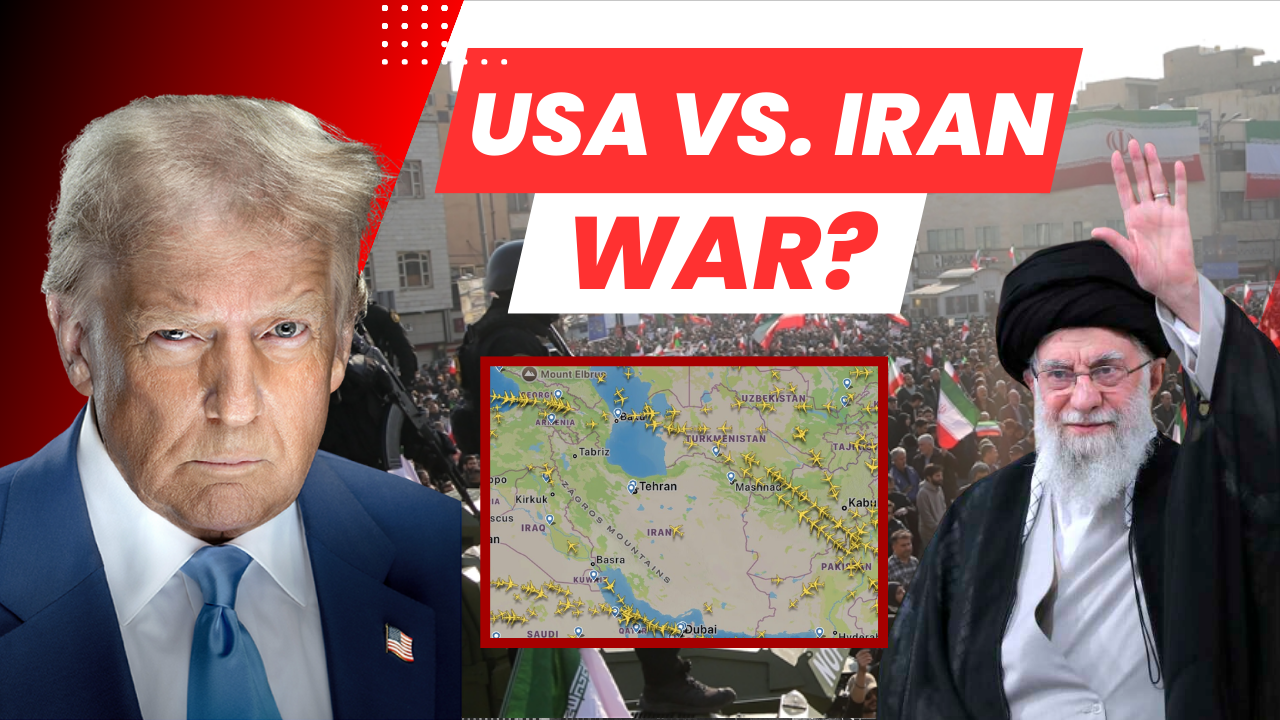
Every time unrest hits Iran, the news cycle asks the same dumb question: will the U.S. bomb something? That question is dramatic and easy to sell. It is also the wrong one. The regime fears losing control of cities and streets more than losing a piece of metal on a hillside. Fixating on airstrikes treats foreign policy like fireworks, not like the careful work of changing incentives on the ground.
Why Tehran’s Strength Is Operational
The Islamic Republic stays in power because it moves faster than the people who try to organize. It has networks for surveillance, hostage takers in uniform, and rapid response teams that arrive before a protest can climb to the next level. This is not about ideology. It is about who can find, track, and break up coordination before protests spread from one neighborhood to another.
What Washington Keeps Missing
Many commentators reduce policy to a single scene: a carrier group versus a runway. That is theater. The real question is whether U.S. actions make it harder for Iran to cut off phones, track organizers, or deploy militias quickly. A well timed disruption of those systems would do more for protesters than a headline making strike that cheers pundits and alarms allies.
Tools That Matter More Than Bombs
Think of options that do not require long occupations or endless patrols. Electronic operations that slow surveillance, support secure communication, and frustrate command centers matter. So do targeted measures that make it harder for the IRGC and Basij to move as a coordinated unit. These moves raise the cost of repression and give citizens a better chance to keep organizing.
How That Helps American Security
This is not charity. U.S. bases and ships in the region exist to deter Iranian moves and protect forces and partners. Weakening Iran’s internal reach reduces the chance of attacks on American personnel and cuts the IRGC’s ability to operate through proxies. In other words, tools that help protesters can also shrink the threats Washington faces.
A Realistic U.S. Role
Regime change is not a menu item you can order and get delivered. Iran’s political machine is distributed and can adapt. The achievable aim is narrower and practical. Make repression harder to execute. Make it harder for Iranian security services to coordinate. Increase the cost of sending squads into cities. That is the kind of pressure that shifts outcomes without promising a full remake of Iran.
WE’D LOVE TO HEAR YOUR THOUGHTS! PLEASE COMMENT BELOW.

Leave a Comment