
The context and why this matters
Greenland sits at a strategic point in the Arctic and has drawn new international attention. That attention brought scrutiny to older, quieter harms. Longstanding policies from Danish rule now face public investigation. The basic facts are stark. Thousands of Greenlandic women and girls were subjected to forced contraception from the 1960s into the 1990s. Other programs removed Inuit children from their families for reeducation in Denmark. These are government actions with real victims.
What investigators found about forced contraception
Independent researchers documented that between roughly 1960 and 1991 many Greenlandic women had intrauterine devices or other birth control placed without informed consent. In one period alone, more than 4,500 girls and women reportedly received IUDs. Medical records and survivor testimony show that some recipients were as young as a dozen years old. These interventions were part of a larger pattern of control carried out by state institutions and health authorities.
The ‘Little Danes’ experiment and child removals
In the 1950s and 1960s a program known as the Little Danes sent Greenlandic children to Denmark for foster placement and schooling. Officials described the effort as educational and modernizing. Many Greenlandic families saw it as forced separation. Follow up research links the program to tests and policies that judged parental competency through a Danish lens. The result was cultural dislocation and long term harm to families and communities.
Personal stories put a human face on policy
Survivors tell a simple and painful story. Some only learned decades later why they could not have children. One woman discovered an IUD implanted when she was a young teen. Others recall being taken from their parents and losing language and traditions. These are not abstract reports. They are accounts of lives interrupted by a system that prioritized state planning over individual rights and cultural continuity.
Denmark’s apology and the hard questions left
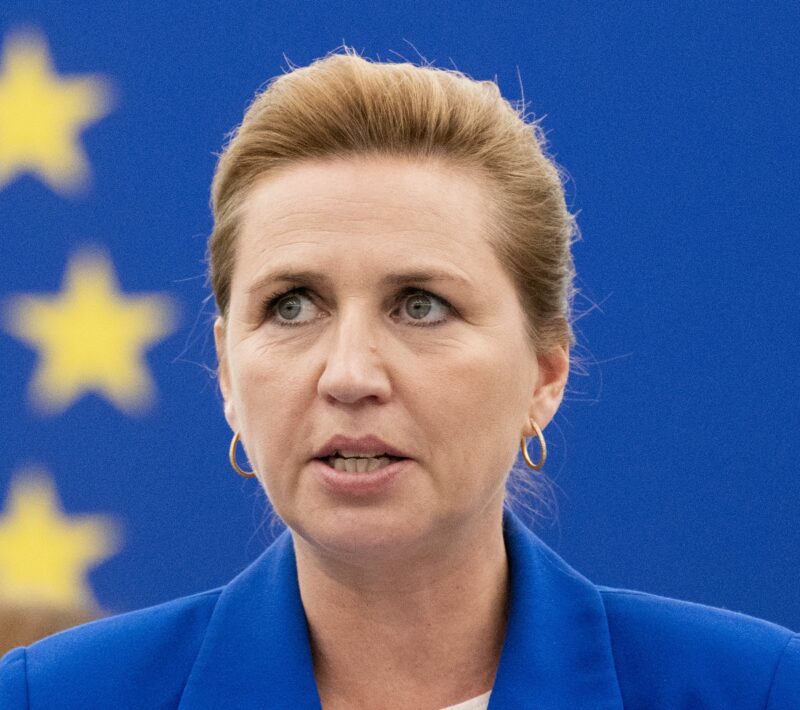
Denmark’s prime minister has apologized and called the actions a betrayal. An apology is a step. It does not by itself deliver compensation, medical care, or clear paths to legal accountability. The investigations are ongoing. Policymakers must answer how to repair trust, how to make victims whole, and how to ensure such abuses never recur under the banner of public policy or health care.
WE’D LOVE TO HEAR YOUR THOUGHTS! PLEASE COMMENT BELOW.



Wow, wow, and wow. I had no idea. Trump needs to fold this information into his Greenland pitches. I would forward this to all my democrat friends, but then I realized I don’t have any democrat friends, or perhaps they keep their mouths shut.