
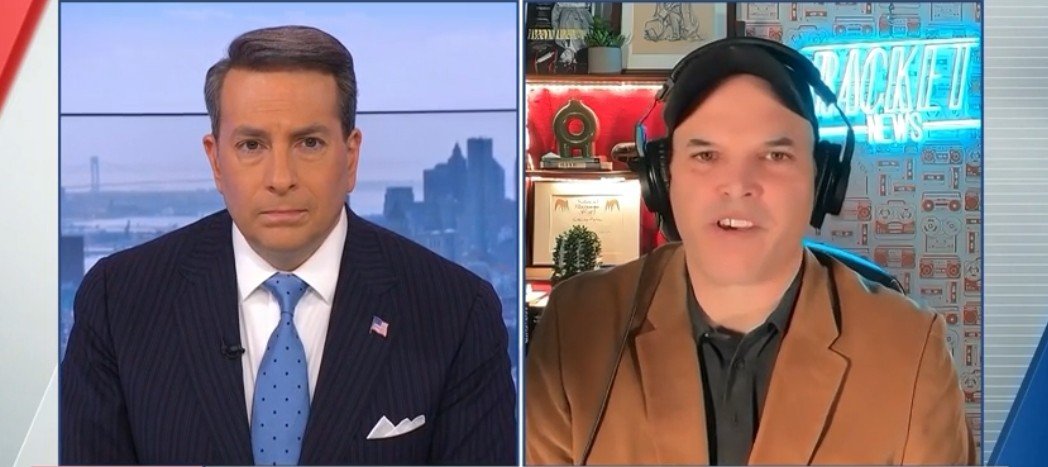
The clip that started the conversation
On a recent Newsmax segment Tom Basile played a 2016 ride-along with ICE that looked, by modern standards, fairly routine and even sympathetic. Matt Taibbi joined to point out the oddity. Ten years ago similar enforcement actions drew calm, if not approving, coverage. Now those same actions get sharp denunciations. The takeaway for viewers was simple. The story did not change much. The coverage did.
What actually changed in reporting
Taibbi explained much of the shift is not about new facts. Plenty of practices now called unprecedented were common a decade ago. What did change was the political context. When a president is disliked by parts of the press, his policies often get harsher treatment even if those policies have historical precedent. That produces an appearance of inconsistency. And when consistency matters to credibility, perceptions of bias grow fast.
Why the spin keeps coming
Newsrooms do not publish in a vacuum. They chase ratings, clicks, and algorithms that reward outrage. Activist pressure and corporate PR also shape what gets framed as a crisis. The result is a feedback loop. Edit desks signal that certain angles are preferable. Producers follow. Viewers notice the pattern and assume motive. Skepticism aimed at that system is warranted, not conspiracy minded.
So what does this mean for the public?
Distrust of legacy outlets is not magic or malice. It is the predictable result of uneven standards and partisan tone. If journalists want to rebuild trust they will need to show consistent context, admit past coverage choices, and apply standards evenly across administrations. Until then, audiences will keep comparing old tape to new headlines and asking why the story sounds different when the facts do not.
WE’D LOVE TO HEAR YOUR THOUGHTS! PLEASE COMMENT BELOW.


Leave a Comment