
The announcement in plain terms
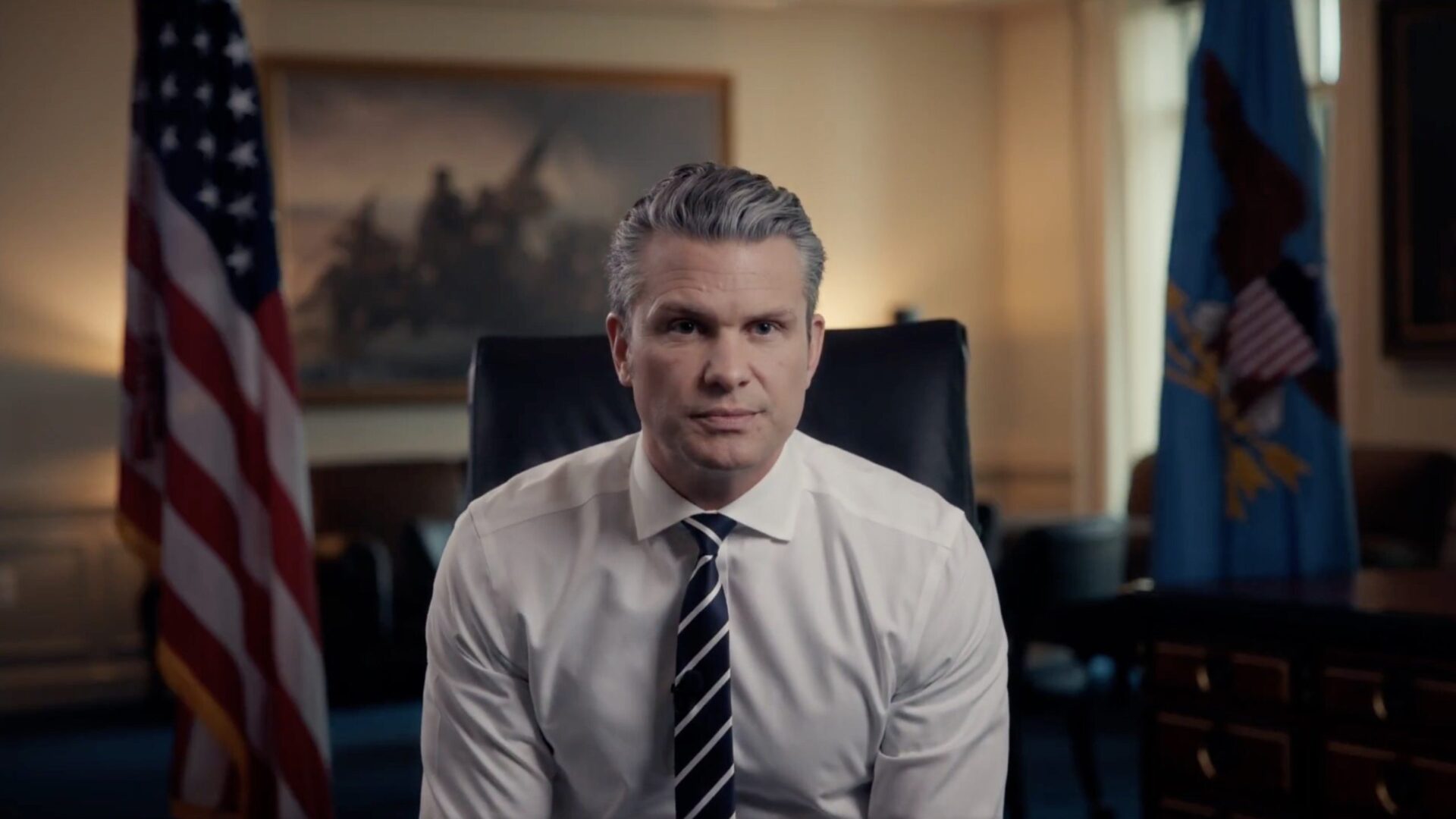
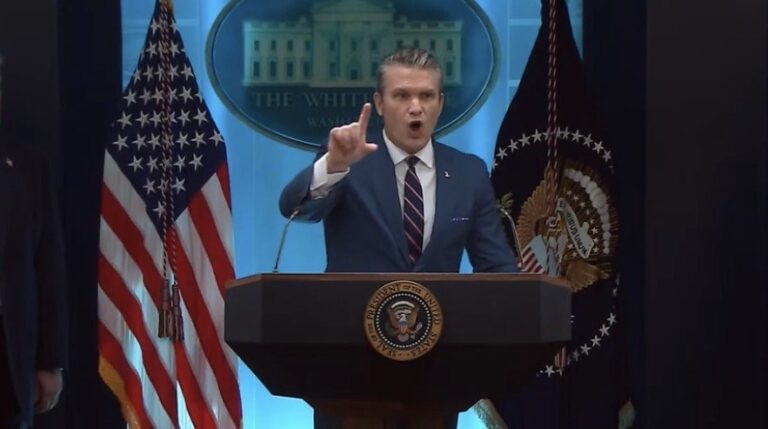
Secretary Pete Hegseth said the War Department will cancel officer attendance at a list of elite universities starting in the 2026-2027 academic year, naming Princeton, Columbia, MIT, Brown, and Yale among others, and earlier moving to end programs with Harvard; that includes graduate fellowships, professional military education slots, and Pentagon subsidies tied to programs judged not to match national security priorities.
His stated reason
Hegseth framed the move as a defense of combat readiness, saying some university programs have become venues for what he calls indoctrination rather than strategic training; he argues the military must focus on teaching officers how to fight and win, not on curricula that, in his view, undermine the warrior ethos.
What exactly gets cut
The cuts cover formal professional military education placements, certain fellowships and certificate programs, and any financial support that sends uniformed officers into courses the department says do not align with its mission; the department has already said Harvard programs will be discontinued starting fall 2026 and now lists other elite institutions for the 2026-2027 calendar.
Ordering a top to bottom review of military education
Alongside the cuts, the secretary ordered a thorough review of the department’s own war colleges and training programs to ensure curricula return to strategic thought, combat skills, and foundational principles; the review will ask whether internal programs are producing operational leaders and whether bureaucratic incentives have warped course choices.
Why this matters beyond a headline
Changing where officers study affects careers, partnerships, and how the military stays current; universities provide networks, research, and theory that can improve strategy, but the department is betting those benefits no longer outweigh perceived risks, which means congressional oversight, university pushback, and shifts in professional development are all likely.
Practical pitfalls and political spin to watch
The move opens predictable fights: universities will defend academic freedom and ask for evidence, some lawmakers will praise the update and others will warn about narrowing officer education, and military leaders must fill any capability gaps without creating new layers of bureaucracy or costly in house programs.
WE’D LOVE TO HEAR YOUR THOUGHTS! PLEASE COMMENT BELOW.
Leave a Comment