
Quick take
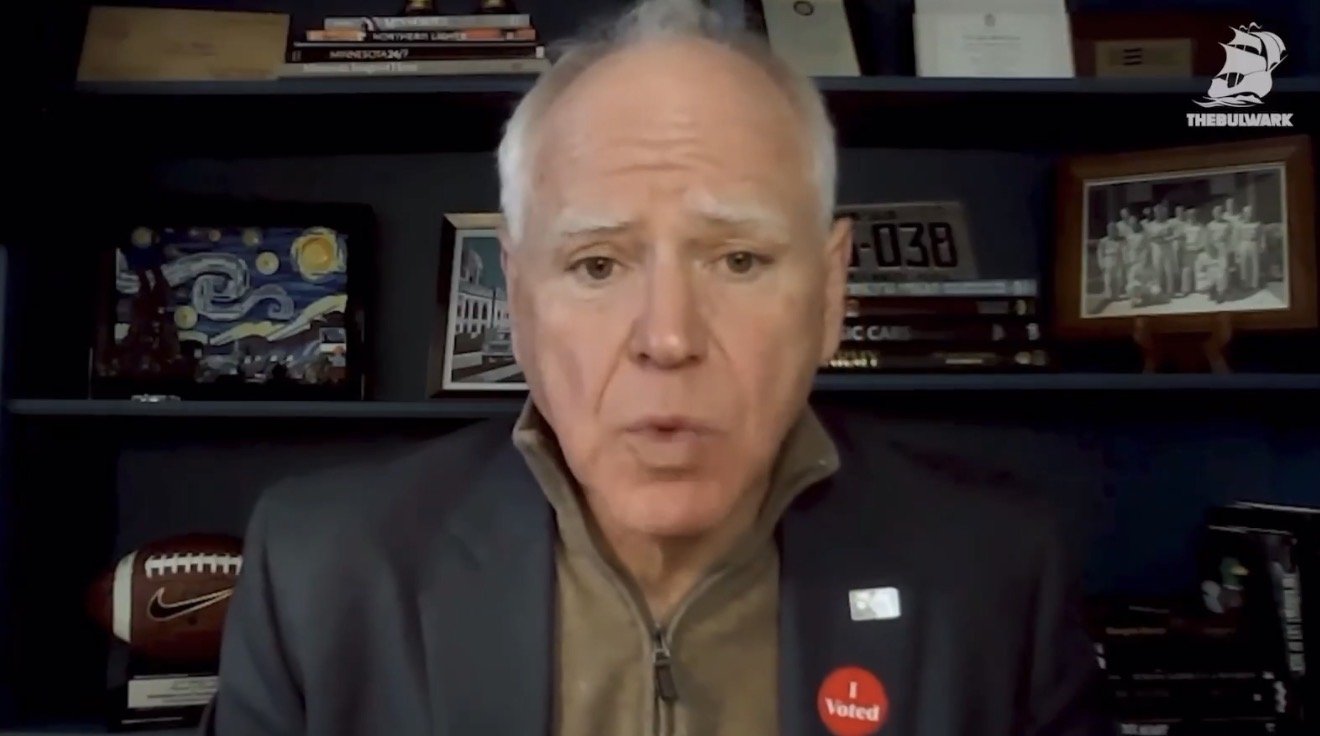
Minnesota Governor Tim Walz told a podcast audience he sees a win for local activists after talks with the White House. He praised what he called “massive organized nonviolent resistance” while accusing ICE of being “unorganized, untrained, dangerous” on city streets. At the same time President Trump announced federal help and named Tom Homan to oversee immigration work in Minneapolis. The result is a political tug of war that looks more like a press release draft than a solution.
What Walz actually said
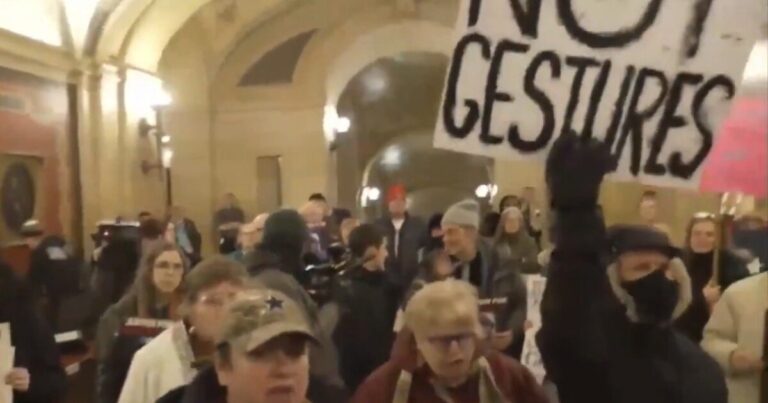
On the Bulwark podcast Walz described scenes on the streets, said local trauma is real, and argued the protests changed federal posture. He confirmed he planned a meeting with Tom Homan and celebrated the departure of one federal commander by name. He also said he is building a record for future investigations into ICE activity, and made clear he wants federal forces to leave and for impartial probes to follow. Those are policy goals, not a court order.
Why this matters beyond rhetoric
State and federal roles in immigration enforcement are complicated. When a governor publicly calls for federal agents to go, that ups the political pressure on Washington. It also raises questions about who protects courts, jails, and federal staff if the agencies back away. Walz framed his case as a defense of Minnesotans and children watching violence. Critics say his tone rewards street pressure. Both sides are right to worry about precedent.
What the White House is offering
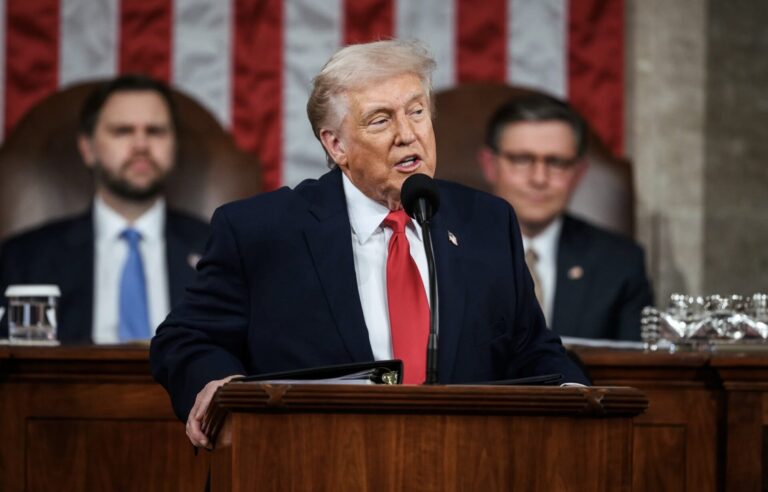
The Trump team announced talks with Walz and Minneapolis Mayor Jacob Frey and said it would work to remove criminal illegal aliens. It also sent Tom Homan as a point person to coordinate ICE operations. From a federal view this is damage control and an attempt to keep deportations on track. From a state view it looks like a partial retreat. In either case the public gets theater while the paperwork and legal fights carry on.
Practical and legal stakes
Walz wants investigations, departures of federal forces, and changes to immigration policy. That is a mix of prosecutorial, administrative, and legislative asks. Investigations take time and produce reports, not instant fixes. If the state and federal governments head into court battles over jurisdiction, expect months of litigation and headlines. Meanwhile cities still face immediate problems like public safety and case management that need operational answers, not slogans.
WE’D LOVE TO HEAR YOUR THOUGHTS! PLEASE COMMENT BELOW.
Leave a Comment