
What happened
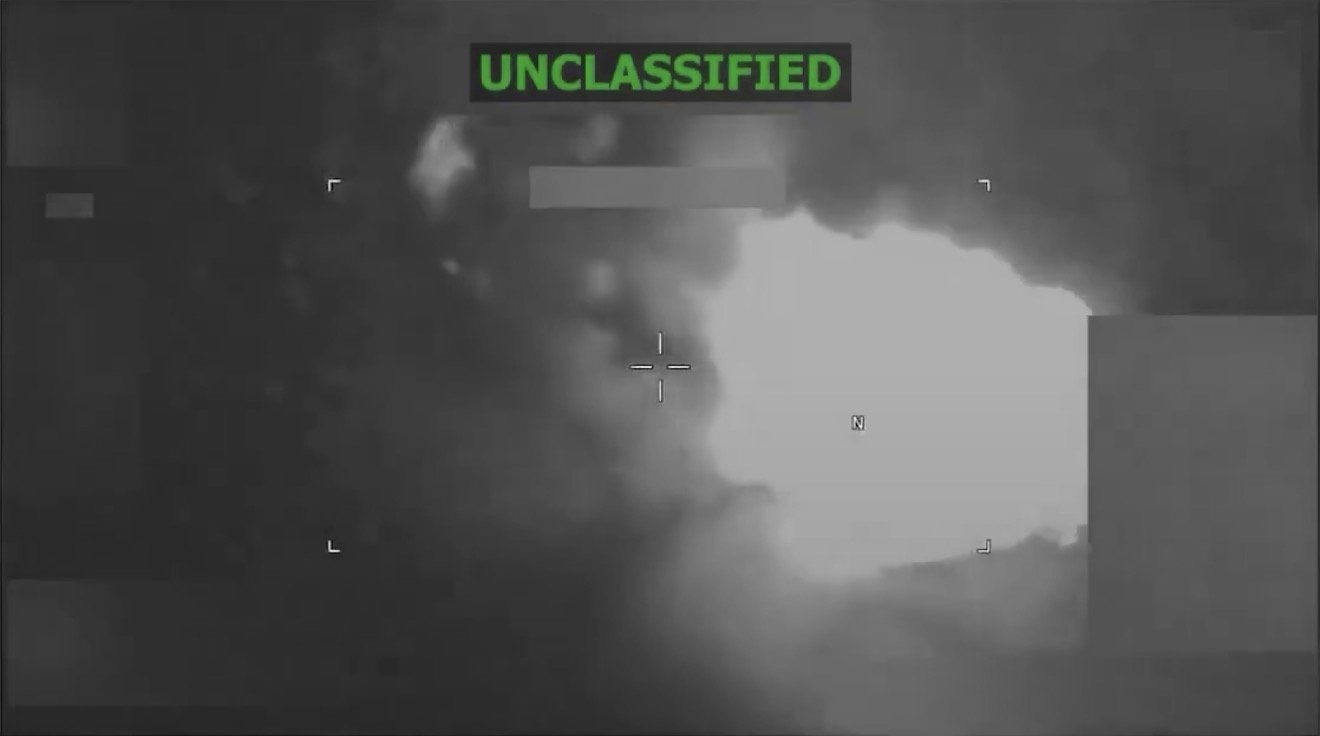
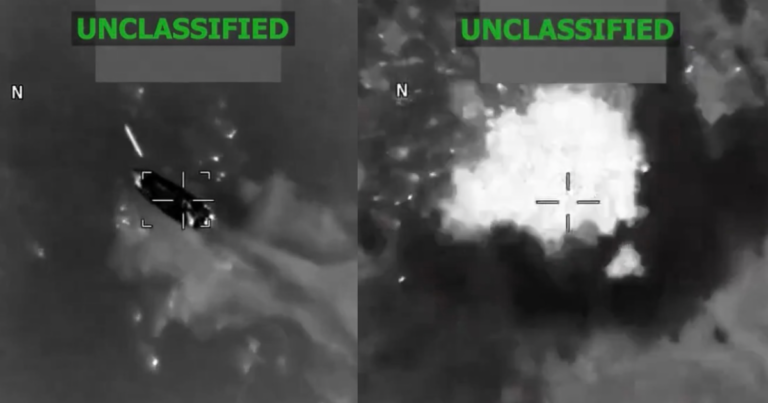
U.S. Southern Command reported that Joint Task Force Southern Spear conducted a lethal strike on a vessel in the Eastern Pacific on Feb. 20. The military said intelligence showed the boat was using known narco-trafficking routes and that three men described as narco-traffickers were killed. U.S. forces reported no casualties. Officials framed the action as part of ongoing operations against maritime drug smuggling.
Operation by the numbers
The strike is the latest in a campaign that the military says has removed dozens of boats and hundreds of suspected traffickers from the seas since September 2025. Southern Command reports at least 43 vessels taken out and at least 147 suspects killed across the Eastern Pacific and Caribbean. Those tallies are the kind of metrics that make tidy headlines and tidy slides in briefings.
Authority and rules
The operation was carried out at the direction of the SOUTHCOM commander and targeted a vessel the military described as operated by designated groups. That raises the usual questions about legal authority, rules of engagement, and how intelligence is checked before lethal force is used. When the government kills people at sea, transparency matters. Congress and the public deserve clear explanations of the legal basis and the chain of custody for the intelligence behind the action.
Regional context
Operations like this do not happen in a vacuum. U.S. pressure on trafficking routes has increased after recent political turmoil in the region, including the capture of a Venezuelan leader last month. Those events change the calculus for smugglers and for nations nearby. More strikes may disrupt networks for a time. They can also shift routes, push activity into different waters, and complicate relations with coastal states that host or oppose U.S. actions.
Questions that remain
Officials say the casualties were armed traffickers, but details are thin. Who were the men on board? Was civilian crew present? What checks were used to confirm the vessel’s status before a lethal strike? And crucially, is this campaign reducing the flow of drugs or just moving it? The answers matter for policy, for international law, and for whether increased military action at sea is the right long term approach.
WE’D LOVE TO HEAR YOUR THOUGHTS! PLEASE COMMENT BELOW.


Leave a Comment