
What happened
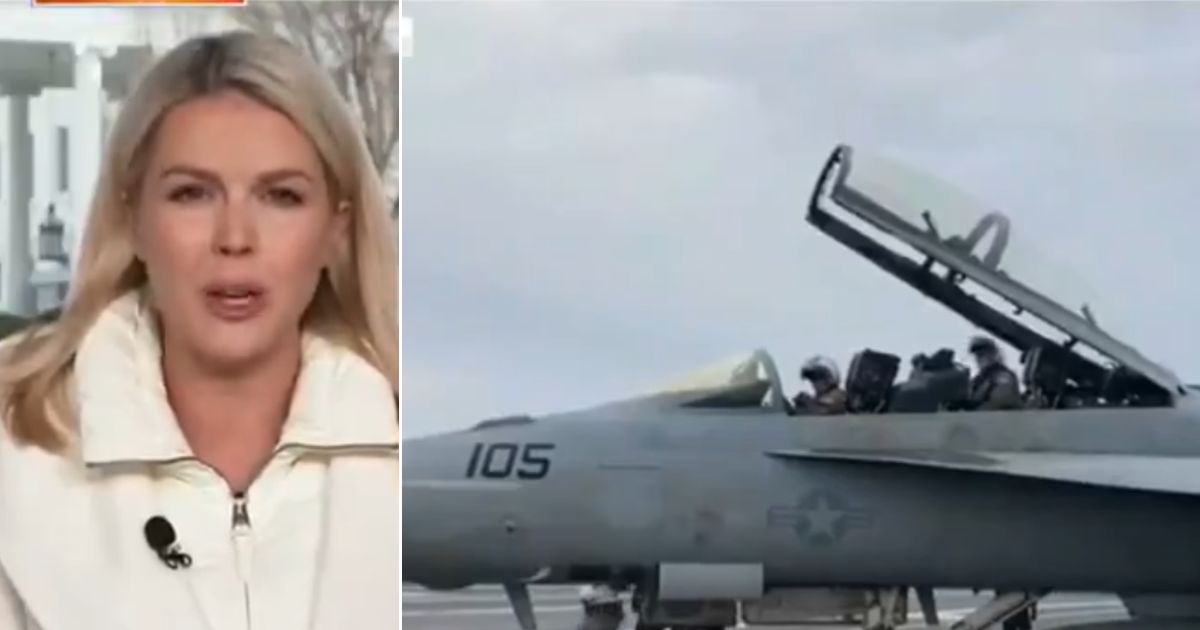
U.S. forces shot down an Iranian unmanned aircraft after it closed on the aircraft carrier USS Abraham Lincoln while the carrier sailed in the Arabian Sea. Officials said the drone ignored U.S. efforts to de-escalate and behaved aggressively as it approached. The engagement ended when an F-35C from the carrier intercepted and destroyed the drone. The carrier was operating roughly 500 miles from Iran’s southern coast at the time.
How the Navy responded
CENTCOM described a stepwise response. Sailors and aviators first used measured warnings and other de-escalatory actions. When those attempts failed and the drone continued its approach, commanders authorized a shoot-down to protect the ship and crew. An F-35C launched from the carrier executed the intercept, which is the kind of quick, on-scene decision sailors train for and the public mostly learns about afterward.
What officials said
The White House and CENTCOM framed the action as necessary and proportionate. Press officials stressed the drone was unmanned and acted aggressively. U.S. spokespeople also flagged a later incident in the Strait of Hormuz where two Islamic Revolutionary Guard Corps gunboats threatened a U.S.-flagged tanker and attempted to board it. That sequence underlines how one episode can be followed by another in a region with high tension and low patience.
Why this matters
This is about much more than a single drone. The episode highlights how routine naval operations can collide with ambiguous Iranian moves. It also tests U.S. rules of engagement and the chain of command that must quickly weigh risk to sailors against wider escalation. Expect competing narratives from Tehran, U.S. officials, and media outlets, each aiming to frame events to their advantage.
WE’D LOVE TO HEAR YOUR THOUGHTS! PLEASE COMMENT BELOW.


Leave a Comment