
The letter that started it
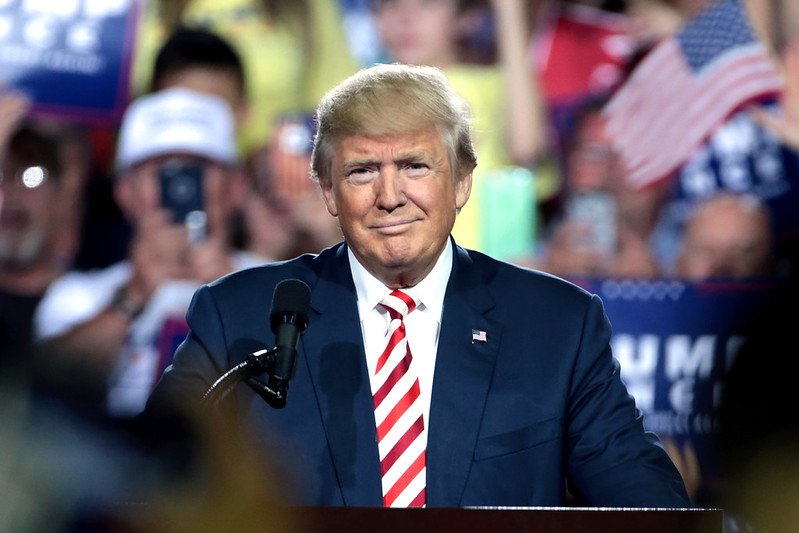
President Trump sent a blunt note to Norwegian Prime Minister Jonas Gahr Støre after not receiving a Nobel Peace Prize, and the message landed like a live grenade in modern Washington. The letter did a few predictable things at once. It reminded readers that Mr. Trump has a long view of NATO and Arctic strategy. It accused Denmark of having no real claim on Greenland and suggested the United States needs more control there. And it made cable news do what cable news does best, which is overheat.
Why Greenland keeps showing up
Greenland is not a hobby island. It sits near the Arctic sea lanes, has rich mineral prospects, and sits between the United States, Russia, and an increasingly interested China. The United States already has strategic ties in the region, including bases and early warning systems. Saying Greenland matters is not a radical idea. What changes the tone is proposing firm U.S. control and questioning Denmark’s role, which turns a strategic point into a diplomatic provocation.
What Trump actually said
The letter complained about the Nobel committee, pushed the idea that Denmark cannot defend Greenland against great power rivals, and urged attention to U.S. interests there. It also reminded readers of Mr. Trump’s long complaint that NATO members are underpaying for collective defense. The style was plain and punchy, not measured. That style is part of the story because it forces a binary reaction instead of a sober debate over Arctic policy.
Media outrage and 25th Amendment calls
Predictably, some TV hosts labeled the letter proof of cognitive decline, and several Democrats seized the moment to call for invoking the 25th Amendment. Tweets from Senator Ed Markey and Representatives Yassamin Ansari and Sydney Kamlager-Dove amplified that demand. Political opponents like to turn any provocative act into a crisis, and in this moment they did exactly that, trading policy talk for headlines and moral urgency for political theater.
What to watch next
This episode will likely produce two things. First, a lot of heated talk on cable and social feeds. Second, diplomats quietly checking facts and options. If the issue becomes a policy question, expect NATO allies and U.S. officials to discuss Arctic patrols, defense burdens, and legal claims. If it stays a media moment, expect more calls for dramatic remedies that make for good TV and poor strategy.
Pick the claim, not the drama
For voters and officials, the useful move is to separate the two debates. One is a real question about Arctic security and alliance burden sharing. The other is a performance about temperament and spectacle. Both matter, but only the first will change how the Arctic is defended and how the United States negotiates with allies. The rest is noise that helps no one plan for real threats.
WE’D LOVE TO HEAR YOUR THOUGHTS! PLEASE COMMENT BELOW.
Leave a Comment