
The Moment
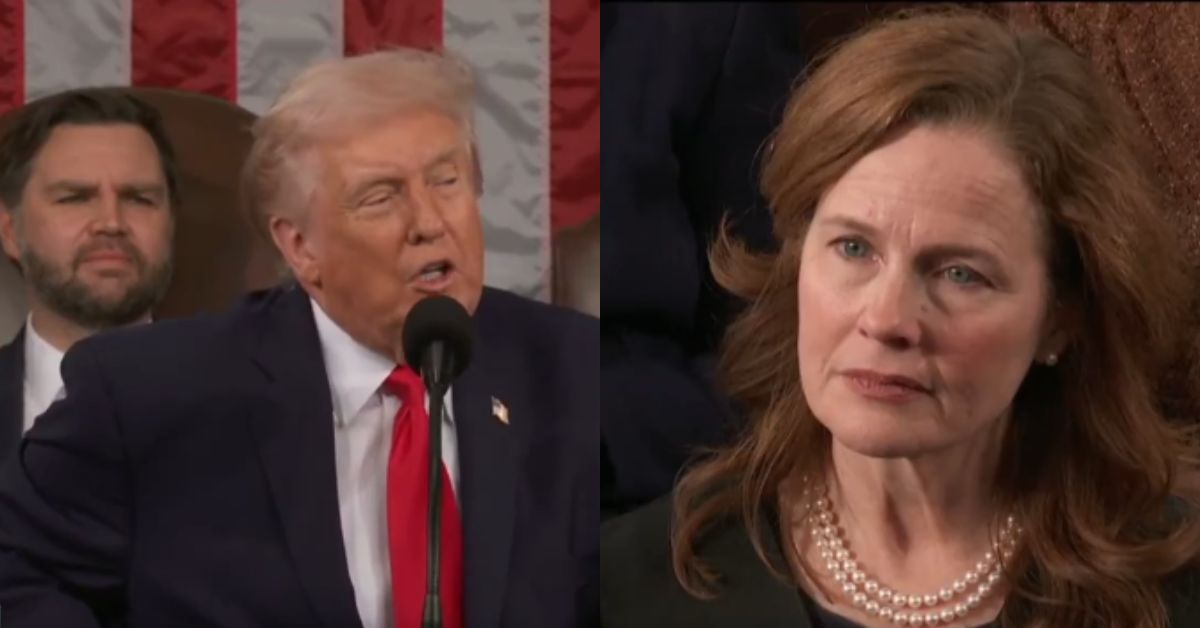
During the State of the Union, the president turned to the justices in the chamber and called their recent anti-tariff ruling “unfortunate.” He said the ruling had backfired because his administration would keep tariffs in place and even make them stronger, all without waiting for Congress. The exchange was brief, pointed, and designed to look like a checkmate move aired live.
What He Announced
Mr. Trump told the audience that most countries and corporations prefer to keep the deals they already made, so they will stick with the existing tariffs. He promised new tariff actions in days, not weeks or months, and suggested tariffs could substantially replace the modern income tax system. That is a big policy claim thrown down like a gauntlet, and one that will face a lot of legal and political friction.
How the Legal Picture Looks
The Supreme Court recently struck down key tariffs as beyond presidential authority under the International Emergency Economic Powers Act. A 6-3 decision matters. Courts limit what presidents can do without Congress. Saying the court was “unfortunate” will not change the opinion. If the administration uses different legal authorities, those moves will be tested in court too. This is less executive wizardry and more bureaucratic chess.
Courtroom Faces and Chamber Optics
Cameras caught Chief Justice Roberts and Justice Amy Coney Barrett with stone faces while the president spoke. Only four justices attended the speech. Those images are the kind of political theater that gets replayed, analyzed, and spun. The optics matter because they let journalists and pundits fill the lull with narratives about tension between branches of government.
Why It Matters for Business and Policy
If tariffs become a de facto tax, companies will adjust their pricing, supply chains, and public relations. Corporate leaders usually prefer stability, which is why the president argued they will stick to deals. Still, swapping income tax revenue for tariffs is a big structural change. Expect legal fights, trade retaliation, and corporate hedging. Promises made from a podium are easier than laws passed in Congress.
WE’D LOVE TO HEAR YOUR THOUGHTS! PLEASE COMMENT BELOW.

Leave a Comment