
Trump’s Reaction in Plain Language
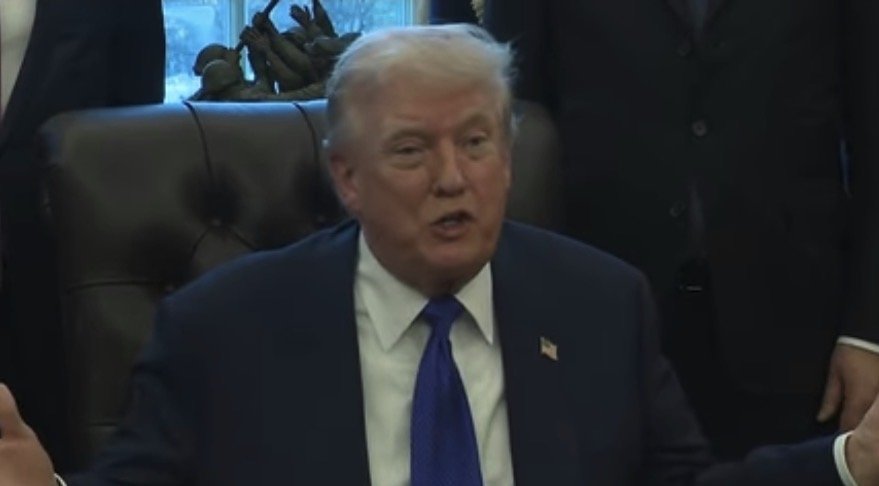
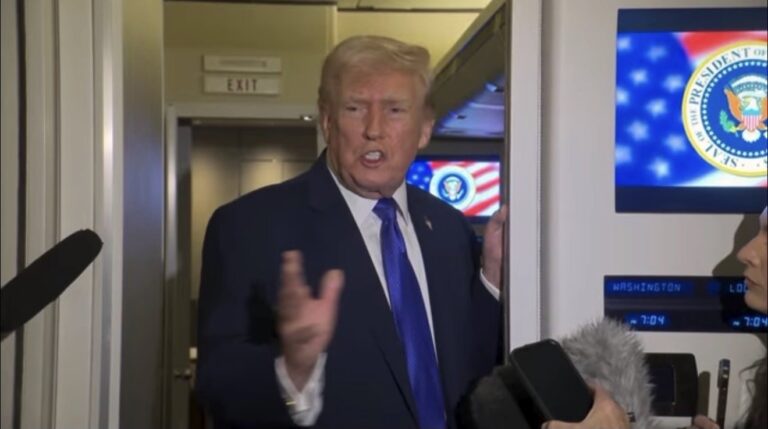
President Trump publicly denied an episode Trevor Noah joked about at the Grammys. Noah suggested Trump had been to Jeffrey Epstein’s private island. Trump called that false and said he plans to sue Noah for making the allegation. He also said the Grammys were a bad show and called Noah a lightweight and a lousy host. The message was short and blunt. He said he had nothing to do with Epstein and pointed to public records the Justice Department released.
Why He Says He Will Sue
Trump says Noah crossed a line by implying criminal conduct. For public figures, that is a common reason to threaten a defamation suit. Trump claims evidence released by the Department of Justice shows nothing tying him to Epstein. He also alleged that others conspired with Epstein to hurt him politically. Whether a lawsuit is filed or succeeds will depend on lawyers and on how a court views claims about public figures and satire at an awards show.
What Trump Said About Other Names
In his remarks, Trump named Bill Clinton and Bill Gates as people he says are tied to Epstein. He also repeated accusations about writer Michael Wolff, saying Wolff conspired with Epstein against him. Those are public claims that have circulated in media and court records. When politicians name other public figures, the conversation shifts from a single quip at an awards show to a wider debate about accountability and who is held to what standard.
The Grammys and the Political Tone
Trump made a simple point about the ceremony itself. He said the show was too political and not watchable. Other viewers noticed a strong anti-ICE and anti-Trump tone from some performers. Awards shows have long mixed entertainment with politics. When hosts use jokes about real people and real scandals, it sometimes changes a late night gag into something lawyers might consider.
Why the Story Matters
This episode is more than a celebrity spat. It shows how pop culture moments can spill into legal and political arenas. A joke at an awards show can provoke a public figure to threaten litigation. That raises questions about where satire ends and defamation begins. It also reminds us that public institutions like the DOJ release records that people will use to back different narratives. Expect more headlines, more lawyers, and more arguments about whether jokes should carry legal consequences.
WE’D LOVE TO HEAR YOUR THOUGHTS! PLEASE COMMENT BELOW.
Leave a Comment