
What Trump Said
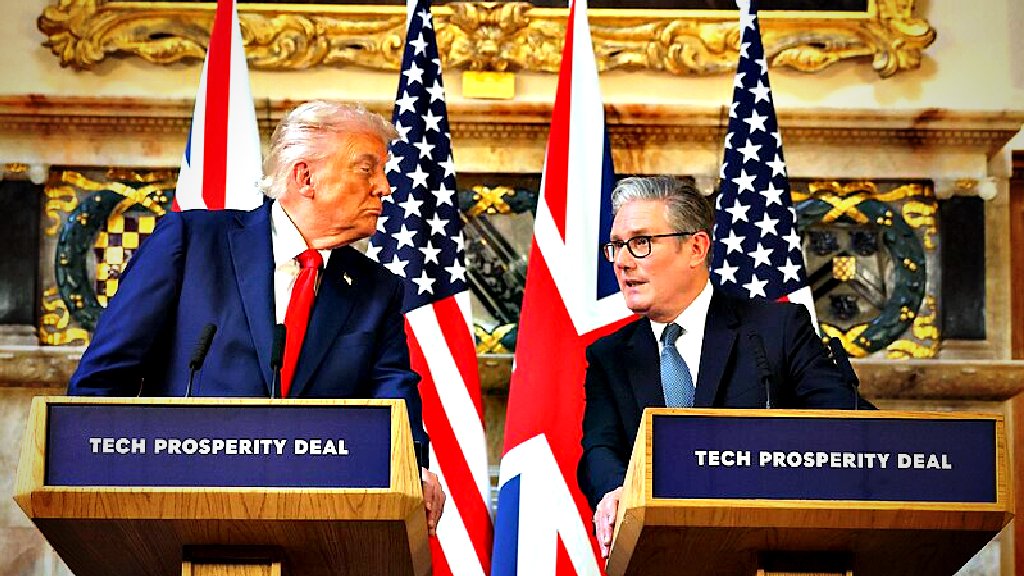
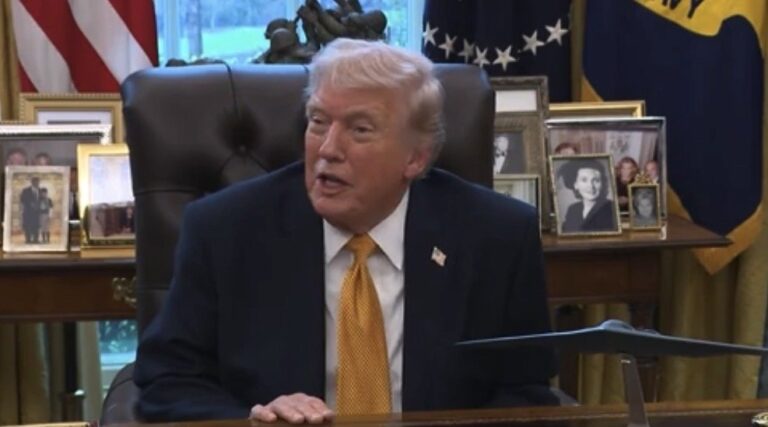
On X, President Trump made a blunt point. He told Prime Minister Keir Starmer that Britain could keep its aircraft carriers and snapped, “We don’t need people that join Wars after we’ve already won.” He also compared Starmer unfavorably to Churchill. The message was short, loud and designed to land in two places at once. It was a public rebuke of an ally and a political performance for an American audience.
Starmer and the U.K. Response
Britain has been cautious about joining strikes on Iran and has not publicly committed carriers or base access to U.S. operations. That caution comes from political, legal and operational calculations. Starmer faces voters at home and sceptical voices in his own party. Saying no or holding back can be framed as prudence or as avoidance, depending on which press release you read or which pundit you follow.
The Carrier Question
Aircraft carriers are more than big ships and great photo ops. The U.K. has two carriers, HMS Queen Elizabeth and HMS Prince of Wales. Sending one is a costly, complex move that needs escorts, logistics and political cover. Sometimes a carrier is a message. Sometimes it is a real force multiplier. The choice to deploy one is a policy decision, not a ceremonial gesture, even if it gets treated like one in heated headlines.
Military Capacity and Readiness
There is a long running debate about the size and readiness of Britainâs forces. Defence spending, force structure and global commitments do not line up neatly. Critics say cuts and reorganisation have left gaps for certain kinds of missions. Supporters argue the military is modern and targeted for todayâs threats. Either way, the question of whether Britain can sustain high intensity deployments is a practical one, not just a rhetorical jab.
Politics, Pressure and Public Memory
Trumpâs line that the U.S. “will remember” is political theatre as much as policy. It signals expectations to allies and plays to voters who value toughness. It also raises a real question for alliances: when does timing count as loyalty and when does it look like opportunism? In short, public calls like this shift the conversation from military logistics to diplomatic signaling and domestic politics.
WE’D LOVE TO HEAR YOUR THOUGHTS! PLEASE COMMENT BELOW.

Leave a Comment