
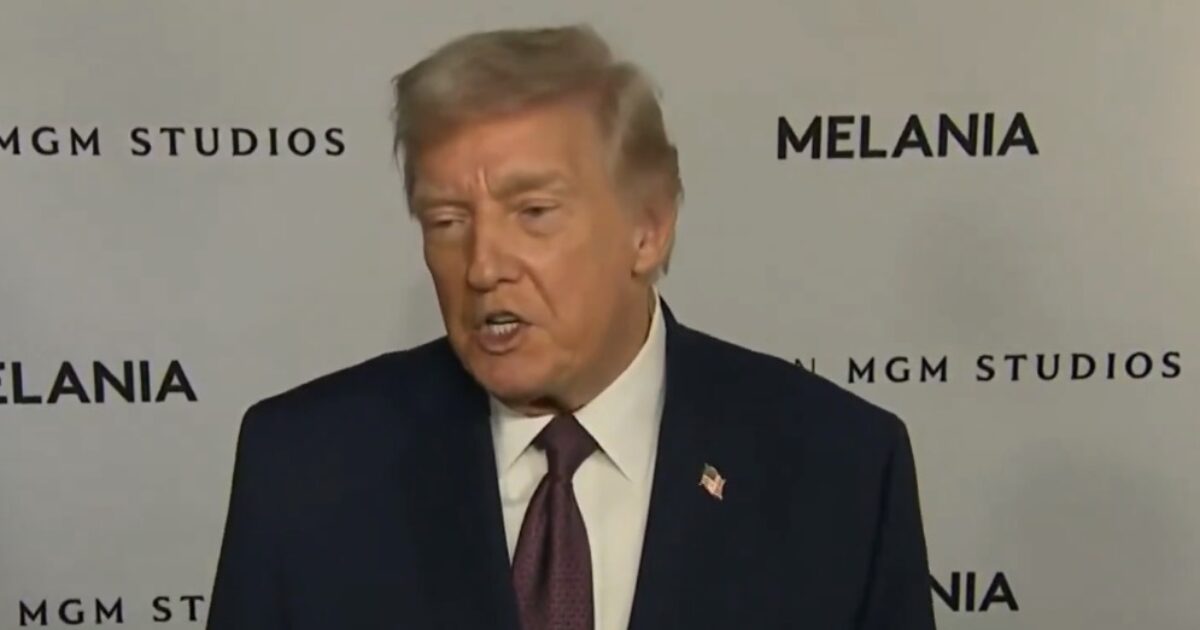
What the president signed
President Trump signed an executive order declaring a national emergency aimed at what the administration calls an “unusual and extraordinary threat” from Cuba. The order accuses the Cuban government of aligning with Russia, China, Iran, Hamas, and Hezbollah, and of hosting foreign military and intelligence capabilities that the United States views as dangerous. It also cites human rights abuses, persecution of political opponents, and repression of free speech as justification for the step.
Why the White House says it matters
The administration says Cuba destabilizes the region through migration and violence and supports actors hostile to U.S. interests. Mr. Trump later called Cuba a “failing nation” and suggested it might not survive in its current form. That language is meant to signal pressure. It is also a reminder that modern foreign policy often mixes moral claims, national security talking points, and headline-ready rhetoric.
The new tariff scheme
The executive order authorizes a tariff system that can add an ad valorem duty on imports from any country that directly or indirectly sells or otherwise provides oil to Cuba. In plain terms, the U.S. could tax goods from nations that keep Cuba supplied with fuel. Tariffs are a blunt instrument. They can change behavior, but they can also complicate trade relationships and raise costs for American businesses and consumers.
Where this fits geopolitically
Officials link the move to a broader push against regimes in the Western Hemisphere, and some commentators compare Cuba to recent pressure on Venezuela after the capture of Nicolas Maduro loyalists. Secretary of State comments suggest Cuba could face intensified isolation. That raises the usual risks of escalation, regional instability, and political blowback that follow sudden shifts in U.S. policy.
Questions the order leaves open
The order gives authority but not a detailed playbook. Which countries will be blacklisted for selling oil to Cuba, and what evidence will the administration use? How will enforcement work without straining relations with allies who trade with Havana? Tariffs may look decisive on TV, but real world enforcement lives in the weeds of customs codes, diplomacy, and industry pushback. Expect more paperwork than fireworks.
WE’D LOVE TO HEAR YOUR THOUGHTS! PLEASE COMMENT BELOW.
Leave a Comment