
What he told Republicans
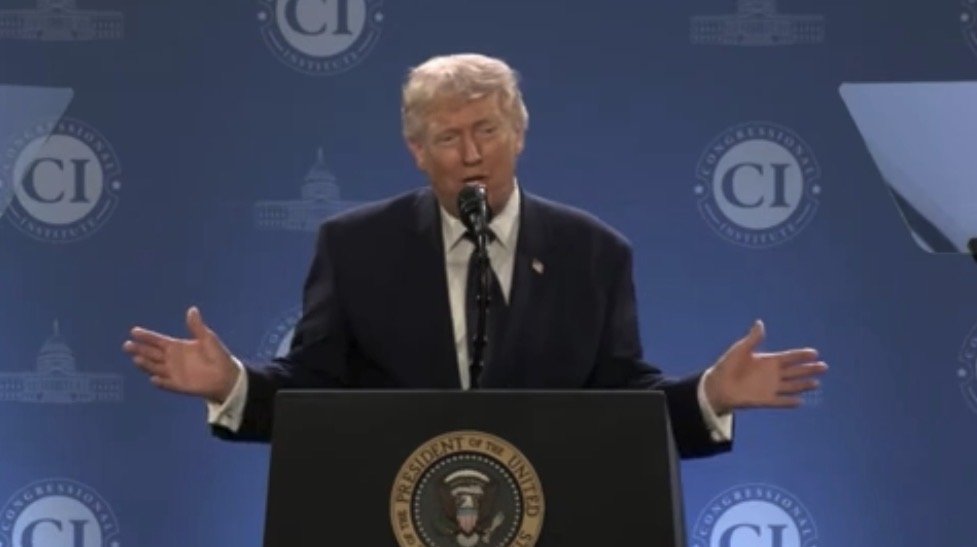
Speaking at the Republican Members’ Issues Conference in Miami, President Trump ran through his wins on trade and drug pricing and reminded the room he thinks no other president could pull them off. He said he pressured foreign leaders and drug makers into accepting Most-Favored-Nation pricing for drugs sold in the U.S. and joked about using tariffs as leverage. He then urged Congress to codify the change into law so lawmakers can claim credit while also promising big reductions in out-of-pocket drug costs.
What Most-Favored-Nation pricing actually means
Most-Favored-Nation is a trade term that generally means a buyer gets the lowest price offered to any other buyer. In drug policy it gets complicated fast because prices vary by country, by deal, and by who pays. Turning an administrative negotiation into a durable, nationwide pricing rule takes legal work, contract fixes, and likely new legislation. Announcing a policy is one thing. Making it permanent without unintended consequences is another.
The tariff threat and how leverage works
Trump described hauling out tariff threats to get countries to lower their drug prices for U.S. buyers. Threats can be effective bargaining chips, especially from a big economy. But they are blunt instruments. Tariffs can disrupt supply chains, invite retaliation, and raise other costs that offset any gains. Using tariffs as a negotiating tactic is not new. Turning that tactic into a predictable policy for medicine requires careful tradecraft, not just a boast on stage.
Codify it, he said. Now the hard part
The president urged lawmakers to put Most-Favored-Nation pricing into statute. That is where politics meets complexity. Writing law means choosing exceptions, enforcement mechanisms, and transition rules. It also means answering who bears costs if manufacturers reroute supply or change discounts. Lawmakers can pass a headline-friendly bill or craft detailed policy that holds up in court and in the market. Both are possible. One is easier to explain to cable hosts.
Why this matters for voters and lawmakers
Lower drug prices are politically popular. But promises of sweeping reductions rely on trade deals, industry responses, and regulatory follow-through. If Congress wants credit, it needs to legislate carefully and then be ready for second-order effects like shortages or price adjustments in other parts of the health system. Lawmakers tend to like taking credit and avoid owning the fallout. That tension will shape how this gets codified, if it is codified at all.
WE’D LOVE TO HEAR YOUR THOUGHTS! PLEASE COMMENT BELOW.
Leave a Comment