

Quick take
Senate Majority Leader John Thune told reporters he will not back a rules change to lower the 60 vote threshold needed to advance most bills. That decision matters because some grassroots Republicans and former President Donald Trump want the SAVE America Act moved to the front of the line. Thune says there are not enough votes to end the legislative filibuster. So the bill faces Senate custom, arithmetic and time limits rather than simply policy debates.
What Thune actually said
Pressed by ABC News, Thune was blunt. He said nuking the filibuster to force a vote is not realistic because his colleagues do not support it. He also warned that a talking filibuster could drag on for weeks or months and waste limited Senate days. In plain language he is saying you can want something strongly and still be unable to deliver it inside existing rules and political math.
What Trump is pushing
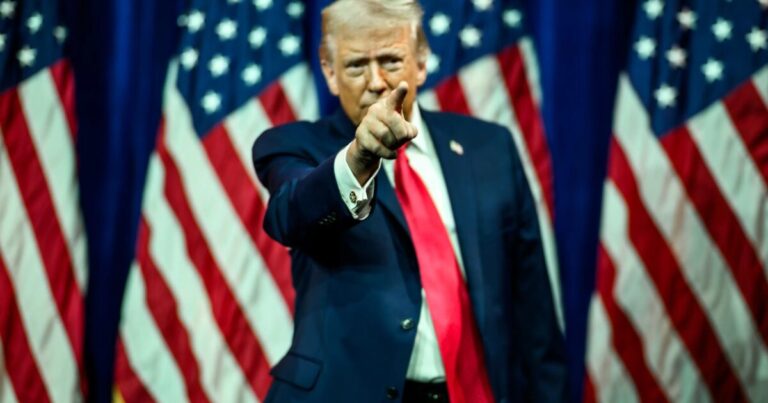
Former President Trump has urged a fast vote on the SAVE America Act and urged strict voter ID, proof of citizenship, limits on mail ballots and other measures. He even suggested blocking other presidential signings until the bill clears the hill. That is a classic example of turning political leverage into a demand. It amplifies pressure on Senate Republicans to pick between party unity and procedural constraints.
Talking filibuster idea
Some activists floated a talking filibuster as a creative way to force a vote without changing rules. That means senators would hold the floor and speak for long stretches to keep debate alive. Thune says that could tie up the Senate for weeks. So what looks like a clever bypass from the outside could look like an expensive traffic jam to lawmakers with other priorities and a limited calendar.
Recess appointments and the small print
Thune has also defended Senate practices that block recess appointments when pro forma sessions are held. Those short, routine meetings keep the Senate technically in session and prevent the president from making certain temporary appointments. It is a procedural tool that helps a slim majority control the calendar. Critics call it obstruction. Supporters call it order. Either way, it shows how much real power lives in rules and rituals, not slogans.
Why the filibuster fight matters
The filibuster is less a law and more a cultural norm that requires 60 votes to advance most legislation. Changing that would be a major shift in how the Senate works. For Senate leaders, the decision is both political and practical. Do you risk a permanent change to the chamber to pass a single bill now? Or do you preserve the institution and work to build a broader coalition? That is the choice Thune and others say voters should understand.
Practical politics wins day
In the end this is a simple lesson about power in Washington. Big headlines and social posts can push a cause into the spotlight. But passing laws still depends on votes, time and rules. Thune is betting the institution and available votes matter more than a rushed show vote. For activists that is frustrating. For proceduralists it is sensible. For those who prefer drama to governance, it will feel like a betrayal.
WE’D LOVE TO HEAR YOUR THOUGHTS! PLEASE COMMENT BELOW.
Leave a Comment