
The one number the media loves
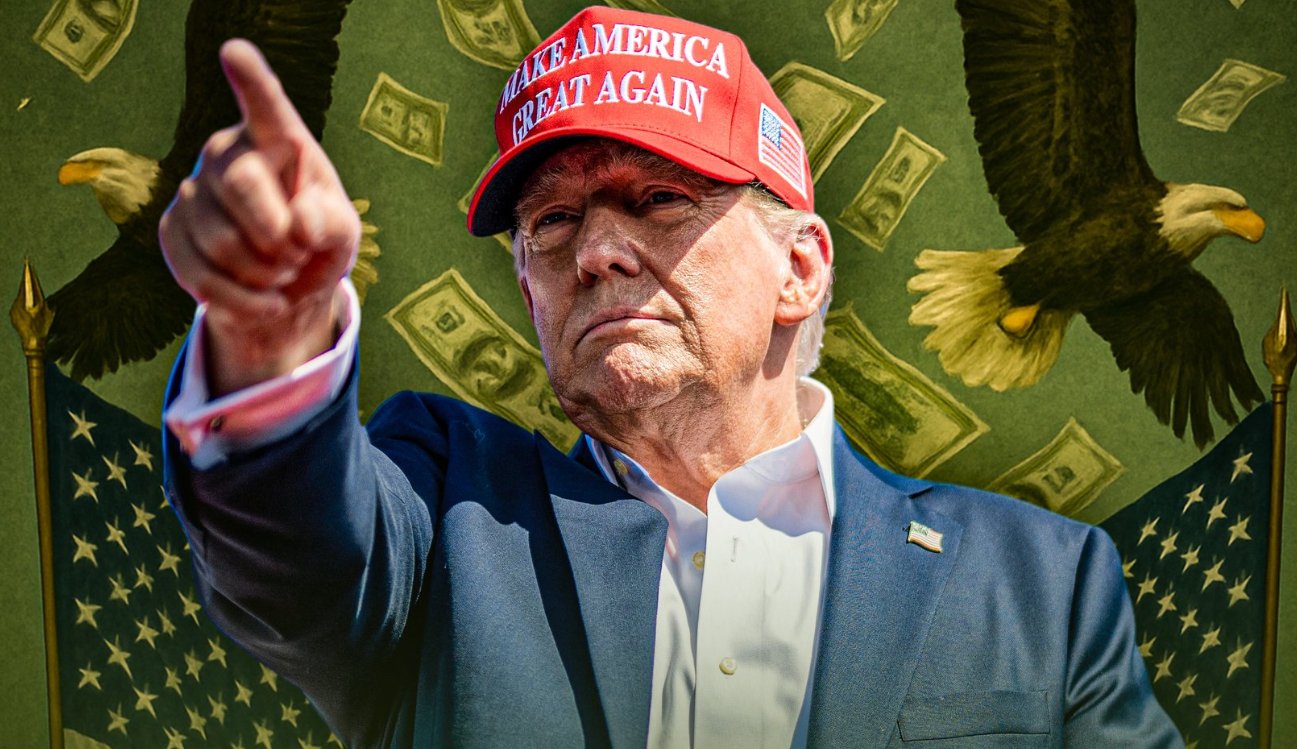
Headlines ran with a Tax Foundation estimate that President Trump’s tariffs added roughly $1,000 to the average household’s costs. That is an eye catching figure, and it is worth reporting. But a single number makes for tidy headlines and messy policy debates. The study measures one channel of costs. News outlets treated that channel as the whole road.
What the headlines left out
Tariffs are only one policy lever in a bigger economic machine. The administration points to tax changes, new investment deals, and rising factory spending that it says offset tariff effects. Those items can shift household finances in ways a simple tariff price tag does not capture. If you only read the morning splash, you miss the credits on the back of the receipt.
Manufacturing and investment claims
The case for tariffs is partly about bringing manufacturing back. Automakers announced new U.S. plants and expansions, and officials say both foreign and domestic firms have boosted capital spending. That kind of investment can create jobs and domestic supply. Whether those gains fully compensate every pocketbook depends on timing, location, and which firms follow through on their plans.
Tax changes that matter at payday
Officials have highlighted provisions that target middle class paychecks and refunds, such as changes to how tips and overtime are taxed, adjustments to Social Security deductions, and tax treatment for interest on loans for American made cars. The administration argues these moves add up to higher take home pay for many households. Independent audits and time will show who benefits most.
Energy and everyday savings
Lower fuel costs are the clearest, most immediate relief for drivers. The Energy Department reported higher domestic production, and average gas prices fell in many states. For people who commute, cheaper gas can mean hundreds of dollars saved each year. That kind of pocket change is not glamorous, but it changes how people feel at the grocery store and the pump.
Why voters still feel the squeeze
Even with offsets, voters name affordability as a top issue. That is partly because money tightness is uneven. A national average can hide families who still pay more for rent, childcare, or health care. Political campaigns and the media both notice that feeling of strain, and they use it. Skepticism toward official spin is reasonable when so many different numbers are floating around.
Tweets and quick links
Here are a few public posts cited in coverage and by officials. Read them and judge the spin for yourself.
https://twitter.com/VP/status/2019198992169451750?
WE’D LOVE TO HEAR YOUR THOUGHTS! PLEASE COMMENT BELOW.


Leave a Comment