
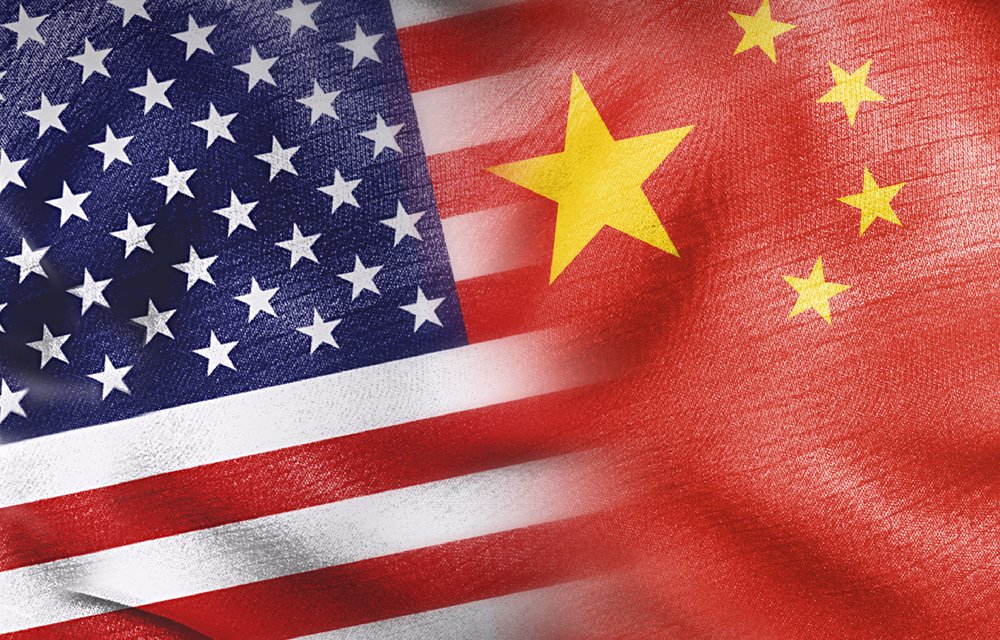
What the declassified memo says
An April 2020 National Intelligence Council memo, quietly declassified later, says Chinese intelligence officials analyzed U.S. voter registration data from multiple states. The language in the memo is partly redacted, but the core claim is that Beijing obtained identifying information and used it for public opinion work around the 2020 election. That is serious practice by any standard. Cyber espionage aimed at registries is not the same as flipping ballots, but it is close enough to make a sane official sit up and demand answers.
It was voter registration files, not ballots
The memo and reporting stress that the intrusions, as described, hit registration databases, not ballot-counting machines. Registration records often include names, addresses, driver license numbers and partial Social Security numbers. Those details are sensitive. They let a foreign actor build detailed profiles, target people with false information, or test social engineering attacks that could later affect election systems or campaigns.
Why this matters beyond technical jargon
Think of voter files as the underlying map for any election campaign and for many election operations. If a hostile state can browse that map, they can learn where groups of voters live, who is registered, and which data fields are used for verification. That knowledge can be used for disinformation, phishing, identity theft, or to try new ways to influence turnout. It raises risk in more ways than one memo can list, and it is exactly the sort of thing Americans expect their intelligence community to report on promptly.
Who sounded the early alarms
At the time, John Ratcliffe, who served as Director of National Intelligence under President Trump, publicly warned about Chinese activity targeting election-related data. Later coverage by outlets that obtained the memo said some intelligence officials believe the scope of the access was broader than has been told to the public or to Congress. If true, that is a failure of information flow inside the government at the very least and a policy problem at worst.
Why the public barely heard about this
There are a few possible explanations. One is operational silence: officials sometimes keep findings secret to protect sources and methods. Another, more political, explanation is that officials may have been reluctant to acknowledge any foreign activity that complicated the prevailing narrative about the 2020 election. Either reason points to a troubling pattern where politics and caution can conspire to keep voters in the dark about foreign interest in their data.
Lawmakers and the SAVE America Act
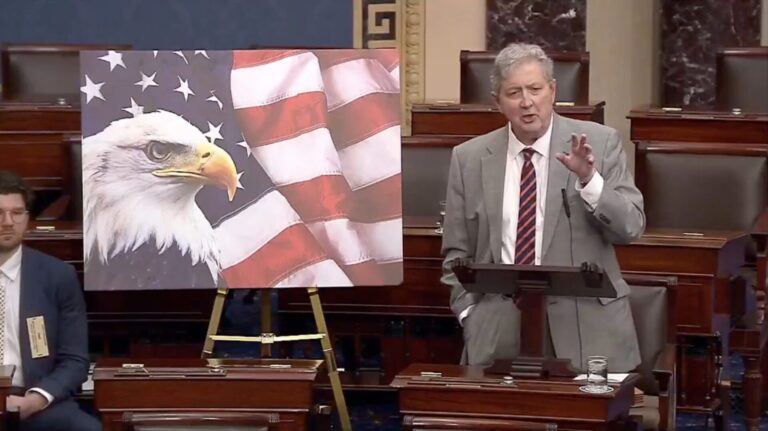
Republicans pushed the SAVE America Act as one response to harden election systems and voter data. The bill passed the House and faces an uncertain Senate path. Even if this kind of legislation would not have prevented every cyber intrusion, it would raise the priority on protecting registration files and require more transparency about risks detected by intelligence agencies. That is the sort of basic fix voters expect when a foreign power pokes at our systems.
WE’D LOVE TO HEAR YOUR THOUGHTS! PLEASE COMMENT BELOW.


Leave a Comment