
Chile’s New Direction
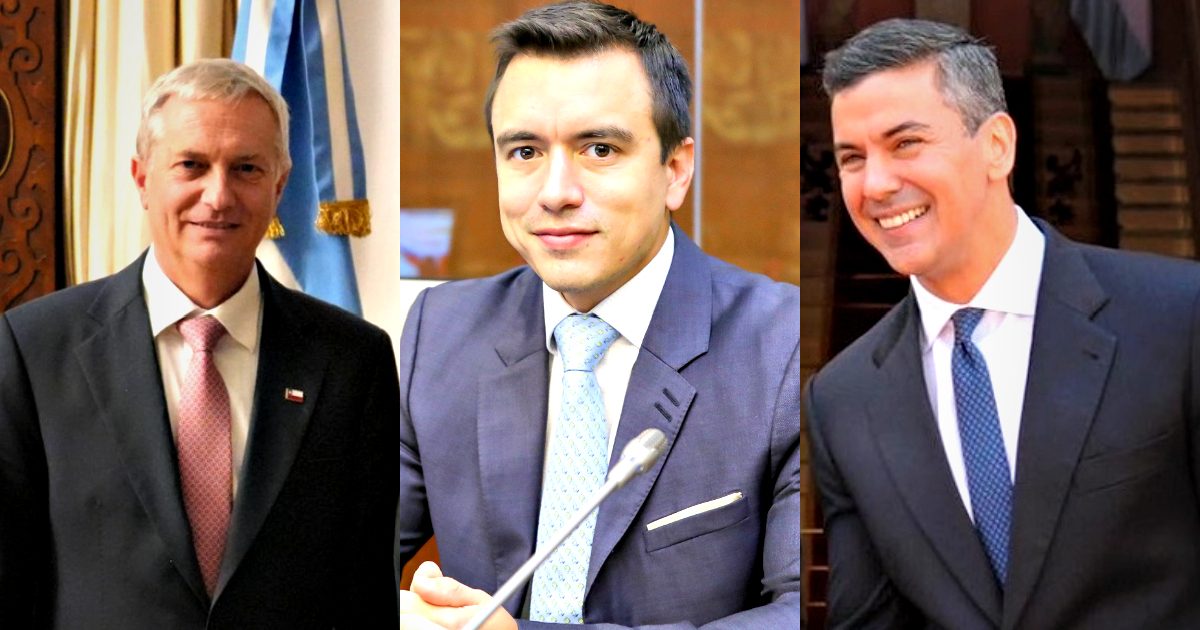
José Antonio Kast took the presidential oath in Valparaíso after a decisive 2025 win, promising to tackle crime and curb illegal immigration. The ceremony drew friendly faces from the right and a modest U.S. delegation, while some expected regional leaders stayed away. Kast campaigns like he learned the playbook across the hemisphere, and his victory will likely shift policy and tone in Santiago. Still, rhetoric is cheap. Passing laws and changing institutions is harder than getting applause in a congressional hall, so watch which bills actually move through Congress and how the courts respond.
Ecuador’s Crackdown
Ecuador announced a major security offensive in violent provinces and set a night curfew to start mid March, saying it has significant logistical support from U.S. forces. Authorities stressed they want to avoid civilian harm, which is the official line governments give before big operations. Joint operations can help with intelligence, transport and training, but they also raise questions about transparency, oversight and long term strategy. If success is only a temporary drop in violence, the government will need more than raids to change the underlying criminal networks.
Paraguay Opens the Door
Paraguay’s Chamber of Deputies approved a Status of Forces Agreement that would let U.S. military and civilian personnel operate temporarily for training, exercises and humanitarian missions. The deal gives the United States criminal jurisdiction over its own personnel while in Paraguay and now waits the president’s signature. Supporters call it a boost to regional security. Skeptics note that “temporary presence” has a habit of lasting, and legal frameworks are only as useful as the safeguards that protect national sovereignty and local rule of law.
WE’D LOVE TO HEAR YOUR THOUGHTS! PLEASE COMMENT BELOW.
Leave a Comment